Korte broek
This lecture clarifies a common misconception regarding the dowry (jehez) of Hazrat Fatima (RA), the daughter of the Prophet Muhammad (peace be upon him). It explains that Hazrat Fatima’s marriage was unique in that her father, the Prophet, asked Ali (RA) if he had anything to offer as *mahr* (dower). Ali, being among the poorer companions, had nothing. He sold his armor, and Hazrat Usman (RA) purchased it, later gifting it back. The proceeds, along with a small contribution from the Prophet, were used to furnish a modest home for Fatima, including items like a mat made of date palm leaves, pillows, a water skin, and a hand mill. The Prophet did not contribute any money directly to the dowry; all provisions came from Ali’s effort and the generosity of others.

95
The Prophet Muhammad is presented as the greatest benefactor of humanity, enduring significant hardships throughout his life. The text emphasizes that offering prayers (salutations) upon him is a means of acknowledging his virtues and receiving divine reward. It highlights the importance of recognizing his exemplary character and the blessings associated with remembering him.
256
The Prophet Muhammad (peace be upon him) defined religion as sincere advice and goodwill. He emphasized that this goodwill should be extended to God, the Quran, the Prophet himself, the leaders of the Muslim community, and the general populace. This includes offering sound counsel and preventing wrongdoing. The Prophet also stressed the importance of helping others, even those who are wrongdoers. He clarified that assisting a wrongdoer does not mean supporting their injustice, but rather restraining them from their harmful actions. This act of preventing injustice is itself a form of assistance. It is an act of *enjoining good and forbidding evil*.
70
This lecture emphasizes the religious obligation of every Muslim to strive for the establishment of the Caliphate system. It asserts that failing to do so constitutes a contradiction of faith and a disregard for divine law. The speaker criticizes a narrow focus on material possessions and worldly concerns, arguing that a true Muslim’s life should be dedicated to this essential struggle, regardless of whether their efforts are recognized or accepted by others. The lecture draws a parallel to the tireless work of past prophets, highlighting that persistent effort is key to success, even in the face of rejection.
71
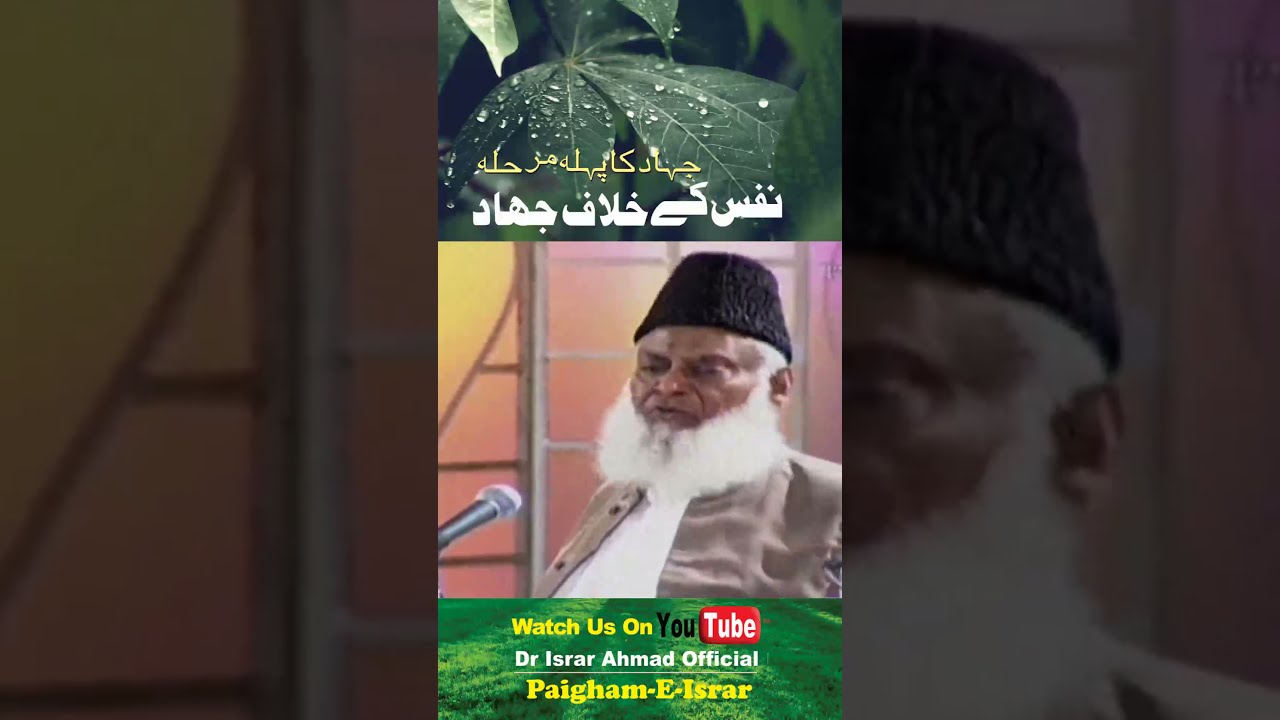
Mawla Rumi compares the human self to Pharaoh, highlighting its potential for arrogance and self-deification. While Pharaoh possessed power and proclaimed divinity, the human self often harbors similar inclinations internally, lacking external force but maintaining an internal sense of dominion. True struggle, as emphasized by the Prophet Muhammad (peace be upon him), lies in conquering this inner enemy – the self. This internal jihad, the struggle against one's desires and ego, is the foundation for all other righteous endeavors and the path to becoming a true servant of God.
74
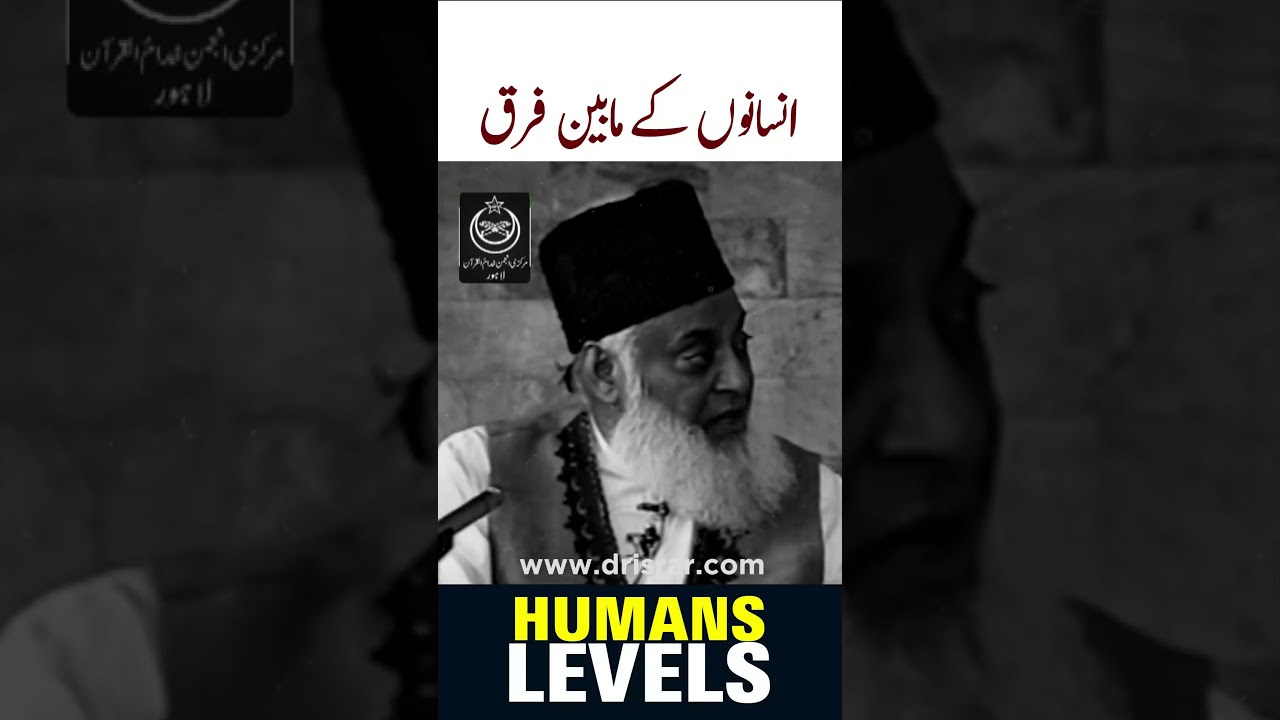
This lecture addresses systemic oppression, exploitation, and discrimination within society. It highlights the inherent inequality where some are born into privilege and others into disadvantage, regardless of their character or merit. The speaker emphasizes that this disparity stems from those who hoard power and resources, silencing the voices of the marginalized. The lecture asserts that ending all forms of exploitation and injustice is a fundamental duty of a believer, advocating for a society built on equity and the freedom of expression.
60
