Celana pendek
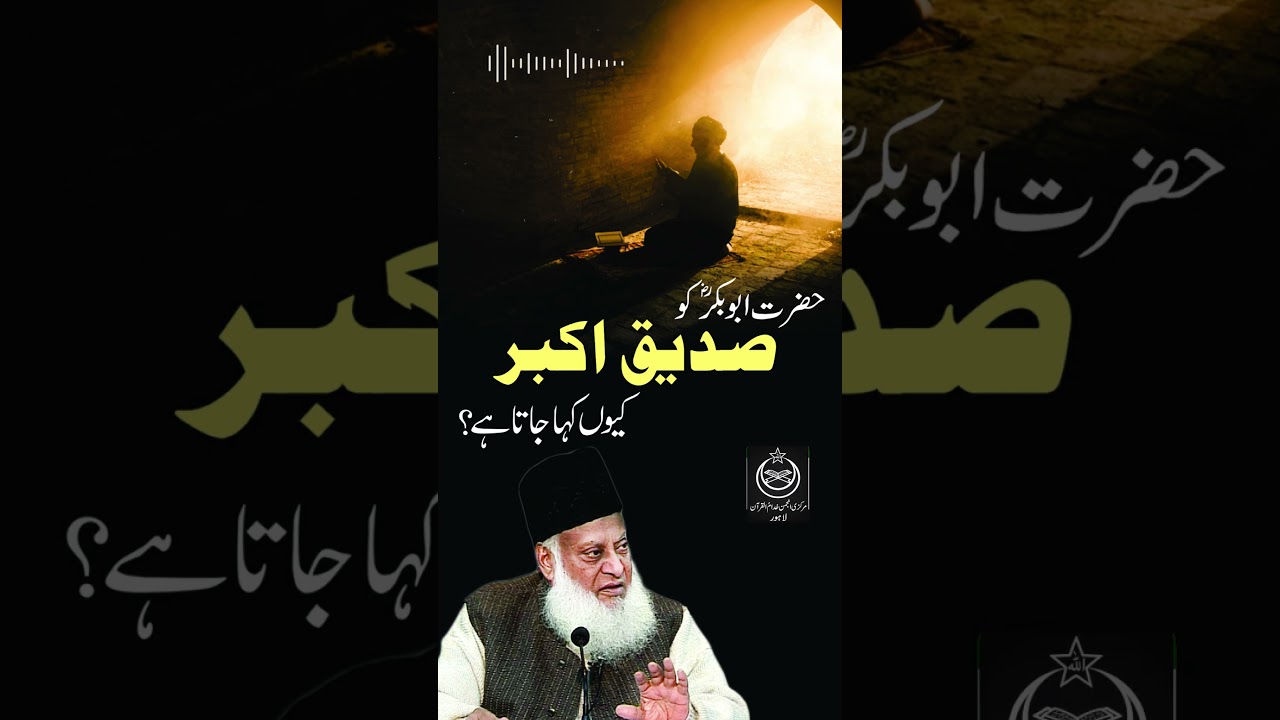
The title ‘Siddeeq’ is reserved for those who unequivocally affirmed the truth of the Prophet Muhammad (peace be upon him). Abu Bakr stood out as unique; unlike others who hesitated or pondered before accepting the message, he affirmed it instantly and without a moment’s doubt. This immediate and complete acceptance earned him the title ‘Siddeeq-e-Akbar’ – the greatest of the truthful.

75

The impulse for goodness, while seemingly pure, can ironically lead to negative outcomes if taken to extremes. This lecture explores how intense dedication to piety – exemplified by asceticism and world-renunciation – can, paradoxically, foster immoral behavior. Historical examples, specifically within Christian monasticism, reveal instances where monasteries, intended for spiritual devotion, became sites of illegitimate births and concealed transgressions. The speaker argues that unchecked enthusiasm for good intentions, devoid of balance and practical wisdom, can give rise to undesirable consequences.
60

This lecture explores the human condition as a test between spiritual enlightenment and worldly allure. The metaphor of a moth drawn to a flame represents the soul’s journey. One path leads to divine favor and eternal reward, while the other, captivated by the transient beauty of the world, results in loss. True success lies in prioritizing spiritual truths and the eternal blessings of the afterlife over fleeting worldly pleasures. The core message is a call to self-reflection and a conscious choice towards divine guidance.
80

The lecture clarifies that elections are a mechanism for operating a system, not for changing it. Participation in elections does not challenge the existing framework but functions within it. The speaker emphasizes that elections serve to run a system, rather than to fundamentally alter it, drawing a distinction between operational participation and systemic change.
123

This lecture explores the complexities of the human mind, detailing three dimensions of awareness: conscious knowledge, suppressed memories, and the unconscious. It asserts that Allah (God) is aware of everything within the human being, including thoughts, intentions, and hidden desires, even those of which the individual is unaware. The discussion clarifies that both outwardly expressed and internally concealed knowledge are within divine awareness, encompassing the entire spectrum of human consciousness and subconsciousness. The lecture emphasizes the all-encompassing nature of divine knowledge, extending even to the innermost whispers of the self.
59

This lecture explores the unique responsibility of the final messenger and the final nation (Ummah). It emphasizes that while other nations historically lived for their own interests and glory, this nation’s purpose is to live for the world, striving for guidance and leaving a lasting legacy. The speaker highlights a concern that the Muslim community has forgotten its mission and questions whether it will fulfill its role of disseminating truth and knowledge. It is a call to action, urging self-reflection and a renewed commitment to the core principles of Islam.
57
