Shorts
This lecture asserts that establishing human rule over others constitutes the greatest form of associating partners with God (shirk) in the history of humankind. It argues that contemporary society, in its collective assertion of self-governance, has replaced God as its ultimate authority. The speaker contends that true devotion will only be possible when a system of governance based on divine law is established, replacing current systems that operate independently of God's commands. This involves rejecting secular courts and parliaments, and instead submitting to a system where justice is derived solely from God’s decree. The current practice of worship combined with obedience to man-made laws is considered a form of hypocrisy and rebellion.

67
Dr. Arshad Maqbool discusses the permissibility of marriage to People of the Book (Ahl-e-Kitab) even though they associate partners with God. He clarifies that while Muslims who commit *shirk* remain Muslim but sinful, the category of People of the Book is distinct by divine decree. He highlights that despite the Quran refuting their beliefs, marriage to their women is permissible, based on God's command, not personal preference. This lecture explores the nuances of faith, sin, and divine law in the context of interfaith marriage.
79

This lecture elucidates the concept of *shirk* (associating partners with God) as stemming from the belief that entities other than Allah possess the power to grant benefit or inflict harm. It explains how seeking fulfillment of needs or protection from adversity from anyone or anything besides Allah constitutes a fundamental act of disbelief. The lecture emphasizes that true reliance and hope should be placed solely in Allah, as attributing power to creation is a grave sin. It highlights the subtle ways *shirk* manifests in daily life and urges listeners to purify their intentions and place their trust entirely in the Divine. The core argument centers on the inherent powerlessness of creation and the absolute sovereignty of Allah.
71
The foundational step to demonstrating true faith involves abstaining from interest, upholding modesty within the home, eliminating unlawful earnings, and diligently fulfilling religious obligations like prayer, fasting, pilgrimage, and charity. Acting upon aspects of Islamic law, even amidst difficulty, is compulsory. Those unable to practice should refrain from claiming allegiance to Islam or advocating for its dominance, as hypocritical behavior damages the religion’s reputation. Consistent personal practice is essential before promoting Islamic ideals.
67
This lecture emphasizes accountability for the faculties of sight, hearing, and intellect. Individuals will be questioned about how they utilized these gifts. It highlights the importance of observing the universe, acquiring knowledge, and employing reason. Neglecting these capabilities will be subject to divine questioning. The message underscores the responsibility humans bear in utilizing their inherent cognitive and sensory abilities for understanding and reflection.
43
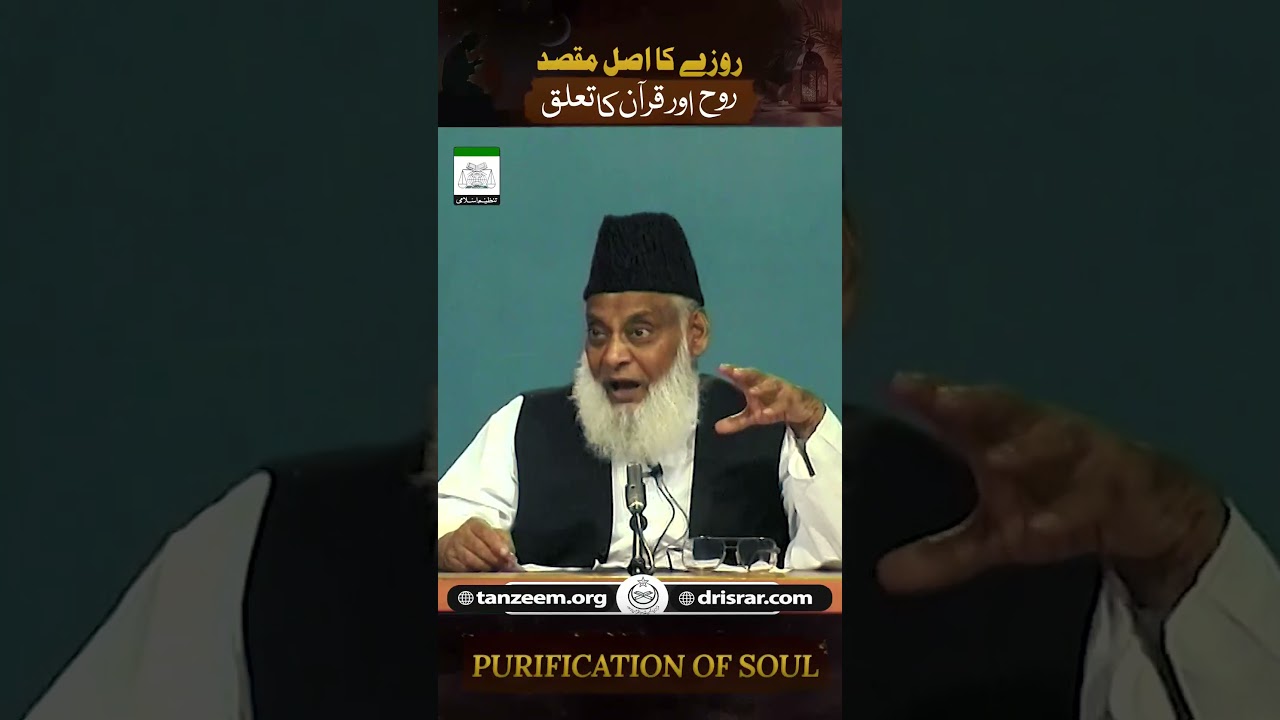
Fasting provides relief to the soul burdened by worldly desires, reducing the weight of the physical self. This spiritual liberation allows for a deeper connection with the Divine. The essence of fasting lies in the soul’s return to its origin, acknowledging Allah’s greatness and expressing gratitude. Upon regaining consciousness, the soul is revitalized and directed towards its true source. Just as all things return to their origin, our physical existence returns to the earth after death, while the soul returns to its Creator. This connection with Allah, expressed through prayer and supplication, is the ultimate objective of observing the fast. The fast isn’t merely abstaining from food and drink; it is a pathway to spiritual renewal and a return to one’s divine source.
71
