Kratke hlače
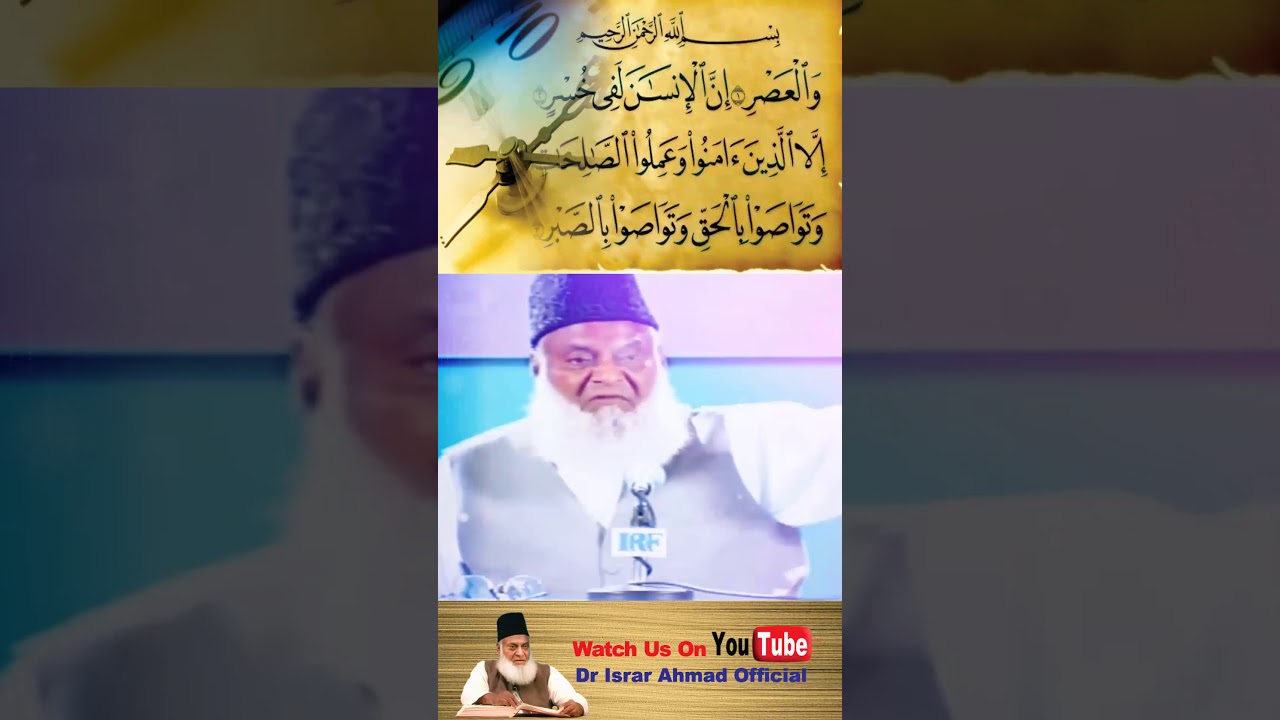
Humanity, universally, is in loss. Salvation is achieved through four essential conditions: faith, righteous deeds, advocating truth, and encouraging good conduct. These are not merely recommendations, but fundamental requirements for achieving deliverance. Without fulfilling these conditions, true salvation remains unattainable. This lecture details these prerequisites for spiritual success and a meaningful life.

227
This lecture addresses the challenges faced by individuals with disabilities, specifically blindness, and offers a theological perspective on hardship and divine justice. It posits that life's difficulties are not punishments but tests, and that full compensation will be provided in the afterlife. The speaker argues that limitations do not negate success, as individuals will be judged based on their capacity and effort. The focus shifts from worldly outcomes to the eternal reward, framing current struggles as a temporary phase within a larger, eternal context. Success isn't measured by worldly achievements but by striving within one's limitations. The speaker emphasizes that the true life exists in the hereafter.
55
This lecture explores the concept of divine love and its separation from mere physical knowledge. It posits that true love resides in the spirit, not the body, and is a direct connection with God. The body is transient, originating from and returning to the earth, while the soul maintains a relationship with the divine that surpasses human comprehension. The speaker argues that modern knowledge often lacks the 'sword' of spiritual insight, leaving only the 'sheath' of empty information. The nature of the soul’s connection to the body and its divine origin remains largely unknown, highlighting the limitations of purely physical understanding.
29
This lecture discusses the practice of fasting on the 13th, 14th, and 15th of each Islamic month, known as Ayyam-e-Beiz. It explains that this practice continued after the obligatory fasts of Ramadan were established, as it was a regular habit of the Prophet Muhammad and his companions. The lecture also notes the significance of these days due to the brightness of the moon and the opportunity for voluntary worship. The practice continues among devout Muslims today as a means of following the Sunnah.
61
A traveler in the desert loses his camel, carrying all his provisions and means of transport. After a desperate search, he encounters death itself. Overwhelmed with relief, he proclaims gratitude to God for this encounter, recognizing his own insignificance and God’s grace. This parable illustrates the immense joy God feels when a sinful servant repents, exceeding even the joy experienced by the traveler at finding ‘death’.
64
This lecture addresses the grave sin of infanticide, particularly in times of poverty. It emphasizes that sustenance comes from God, not self-reliance, and that He provides for both children and parents. The speaker refutes the justification of killing children due to financial hardship, highlighting God’s provision and wisdom in distributing resources. It's a strong condemnation of this practice, rooted in Islamic teachings, and a reassurance of divine support even in difficult circumstances.
76
