Celana pendek
Human thought profoundly influences behavior, character, and deeds. Conversely, a person’s actions and character significantly shape their thinking. If knowledge and intellectual growth are not accompanied by corresponding action, a decline in character and thought can occur. A disconnect between intellectual understanding and practical application leads to stagnation and potentially a regression in personal development. Actions and character have a direct impact on one’s intellectual and spiritual progress.

59
Maghira Ibn Shuba was among the companions who pledged allegiance to the Prophet Muhammad under the Tree of Ridwan, as mentioned in Surah Al-Fath. He was a staunch supporter of Hazrat Ali during the civil war between Hazrat Ali and Amir Muawiya, consistently siding with Hazrat Ali's faction.
51
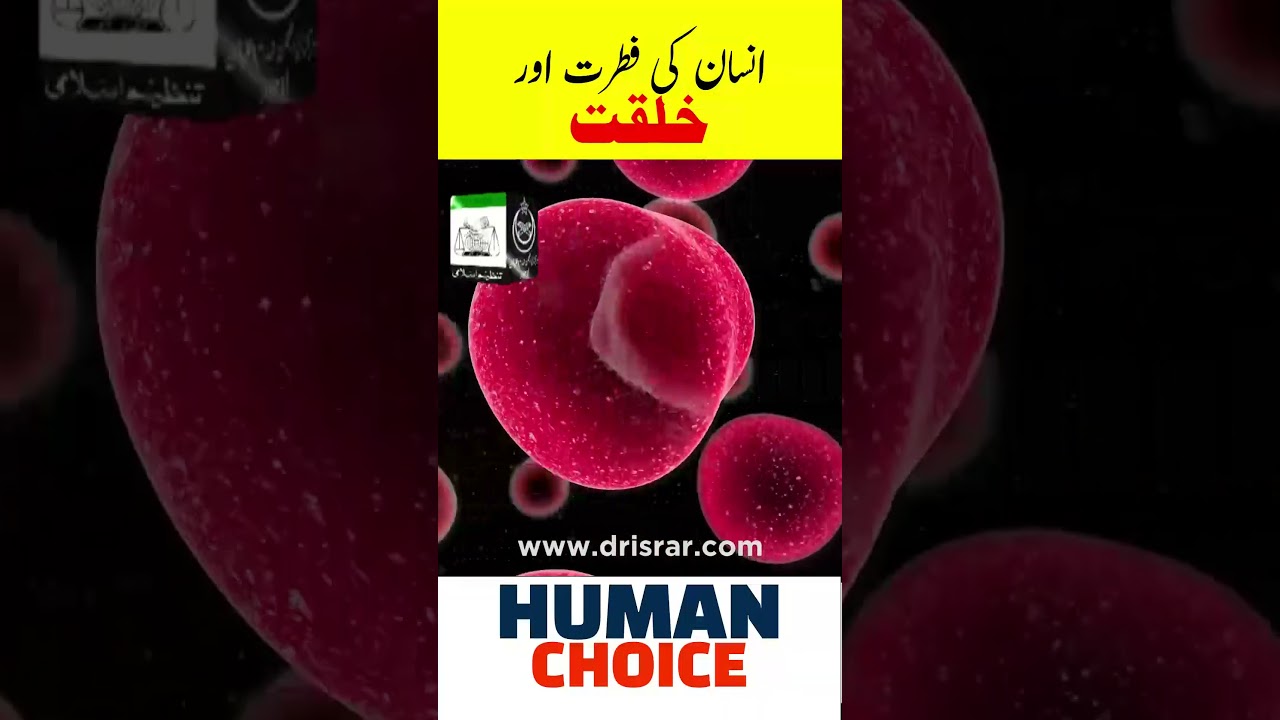
Human life begins with a unique creation, possessing inherent vitality from conception. Even before fertilization, both sperm and ovum exhibit life. All characteristics of life are present in the developing embryo. The embryo is a living organism, not an inanimate object. A crucial stage arrives approximately 120 days after conception. Prior to this, the creation is linked to four specific elements detailed in religious texts. The spirit, or soul, is infused into the embryo after this 120-day period, encompassing and permeating its very being.
52
Islamic principles dictate that the financial responsibility for a wedding lies with the groom’s family, not the bride’s. Marriage is a necessity for both men and women, completing each other’s lives. The mahr, or dower, is paid by the groom to the bride, symbolizing his commitment and responsibility. It is not a price for the bride, nor a purchase, but a token of commitment and a recognition of her value. Mahr can be determined in various forms, including goods, services, or the commitment to teach the bride Quran. It represents the man's capability to fulfill his obligations and the woman’s acceptance of this commitment.
84
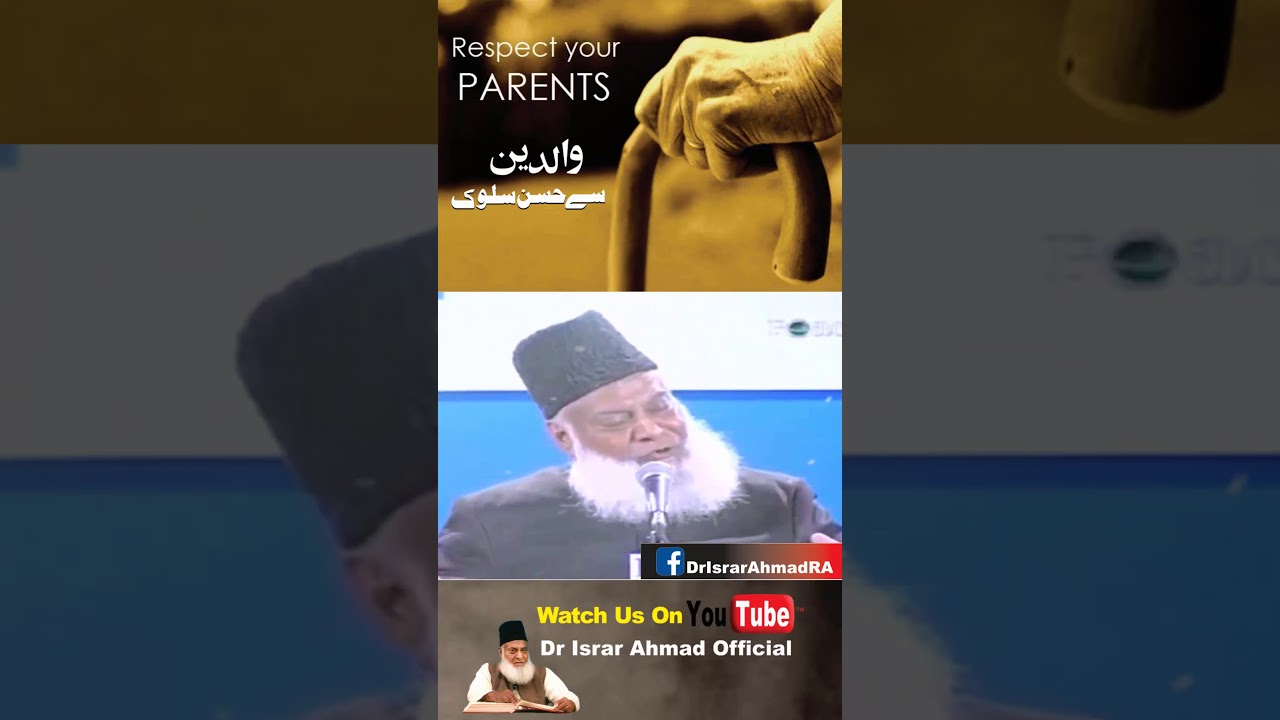
This lecture emphasizes the profound importance of showing respect and kindness to parents, especially in their old age. It stresses avoiding any harsh words or dismissive behavior, urging viewers to speak to them with humility, lowered gaze, and utmost reverence. The core message highlights that sincere prayer for their well-being is paramount. It underscores the spiritual reward of caring for aging parents and the detrimental consequences of disrespect.
190
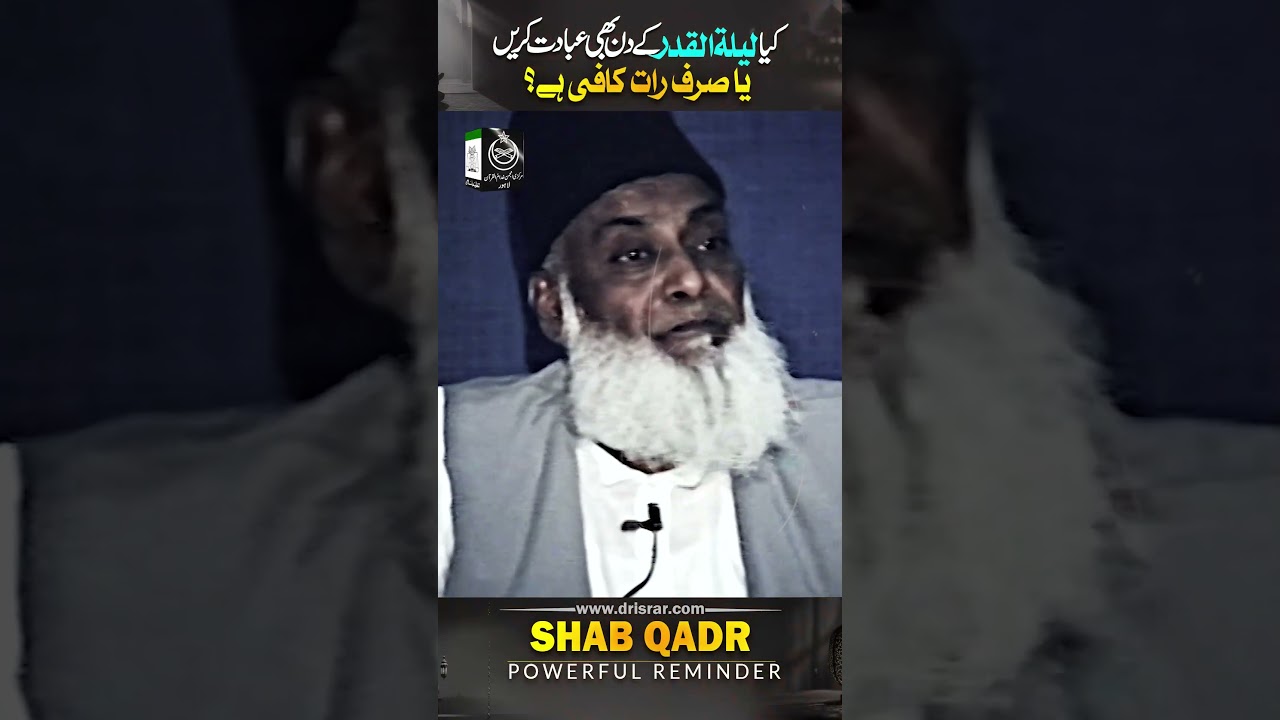
The lecture clarifies that the blessings of Laylat-ul-Qadr (the Night of Power) are not limited to the night itself, but extend to the following day. The Quranic use of terms like ‘yom’ (day) and ‘layl’ (night) encompasses the full 24-hour cycle. This means the entire day following Laylat-ul-Qadr shares in its spiritual significance. This resolves a potential issue regarding time zones; the blessings are universally available regardless of geographical location, ensuring no part of the Earth is excluded from this divine blessing. The lecture emphasizes the Quran’s comprehensive nature, leaving no aspect untouched by divine grace.
79
