شارٹس
This lecture clarifies the permissibility of continuing to eat and drink until the white thread of dawn becomes distinctly separate from the black thread of night. It addresses excessive caution observed by some regarding the timing of *suhoor*, emphasizing that one can complete their meal even after the call to prayer. The speaker explains that the period of fasting begins at sunset and ends with the start of a new day, and that strict adherence to precise timing isn’t necessary, citing the Prophet’s allowance for finishing a drink even after the *azaan*. The emphasis is on the blessing in consuming the pre-dawn meal and avoiding unnecessary rigidity in its observance.

65

The Quran is unique among scriptures in its completely preserved text. Unlike other religious texts, the Quran's original form has been consistently maintained and memorized by generations of Muslims worldwide. This preservation isn't limited to written copies; a vast community of *huffaz* (memorizers) actively maintain the text through oral tradition, with even young children capable of correcting scholars. This consistent, multi-generational safeguarding represents a fundamental aspect of the Quran's significance, acknowledged even by those who do not believe in its divine origin. The Quran's textual integrity stands as an unparalleled phenomenon among religious books.
67
The speaker illustrates the difference between accepting information based on consensus and achieving genuine belief through personal experience. Just as someone unfamiliar with sugar relies on the testimony of others, true faith requires internal verification. Until one’s ‘test bits’ – internal faculties – are active and functioning, genuine certainty remains elusive. This lecture emphasizes that belief is not merely intellectual assent, but a state attained through lived experience and internal confirmation.
66
True goodness originates from faith, manifesting as sincere intention and the pursuit of Allah’s pleasure. This involves acting with love for God and ensuring actions are righteous and beneficial. The most prominent expression of goodness is selfless service to humanity, driven by compassion. This includes prioritizing support for family, orphans, the poor, travelers, those in need, and freeing the oppressed. Good deeds are not merely for worldly reward, but for eternal recompense.
67
This lecture explains the hadith stating that Muslims should be mirrors to one another. This means Muslims should respectfully and compassionately point out each other’s flaws, not to demean, but to facilitate self-improvement. This guidance emphasizes delivering constructive criticism with kindness, sincerity, and a genuine desire for the other’s betterment. The focus is on offering advice from a place of goodwill, devoid of arrogance or self-righteousness, and with a spirit of empathy and heartfelt concern.
61
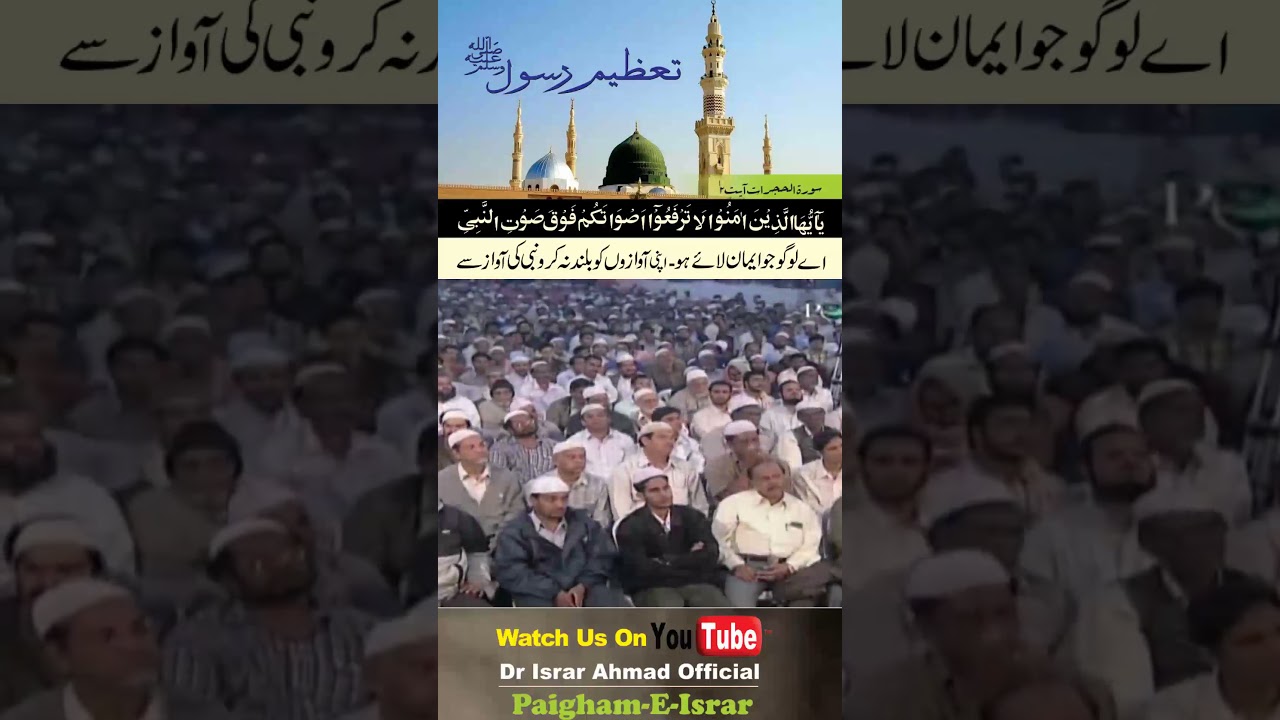
This lecture emphasizes the importance of respectful communication, particularly when discussing religious figures or sacred texts. It cautions against raising one’s voice in the presence of scholarly discussion or when referencing the sayings and actions of the Prophet Muhammad. The speaker stresses immediate silence when a tradition (hadith) is mentioned, prioritizing verification of its authenticity later. Disrespectful discourse is equated with diminishing the value of religious teachings and the Prophet’s legacy, demanding a mindful and humble approach to conversation.
69
