শর্টস

This lecture clarifies the permissibility of continuing to eat and drink until the white thread of dawn becomes distinctly separate from the black thread of night. It addresses excessive caution observed by some regarding the timing of *suhoor*, emphasizing that one can complete their meal even after the call to prayer. The speaker explains that the period of fasting begins at sunset and ends with the start of a new day, and that strict adherence to precise timing isn’t necessary, citing the Prophet’s allowance for finishing a drink even after the *azaan*. The emphasis is on the blessing in consuming the pre-dawn meal and avoiding unnecessary rigidity in its observance.

65

This lecture explores the profound connection between the call to prayer (azan) at birth and the funeral prayer (salat-e-janaza) at death. It posits that life is an interval mirroring the time between the azan and iqamat preceding a prayer, and the prayer itself. The speaker draws a parallel between the commencement of life, marked by the azan, and its conclusion, represented by the funeral prayer, highlighting the transient nature of worldly existence. Life is presented as a brief pause between these two spiritual occurrences, emphasizing the temporary nature of this world.
50
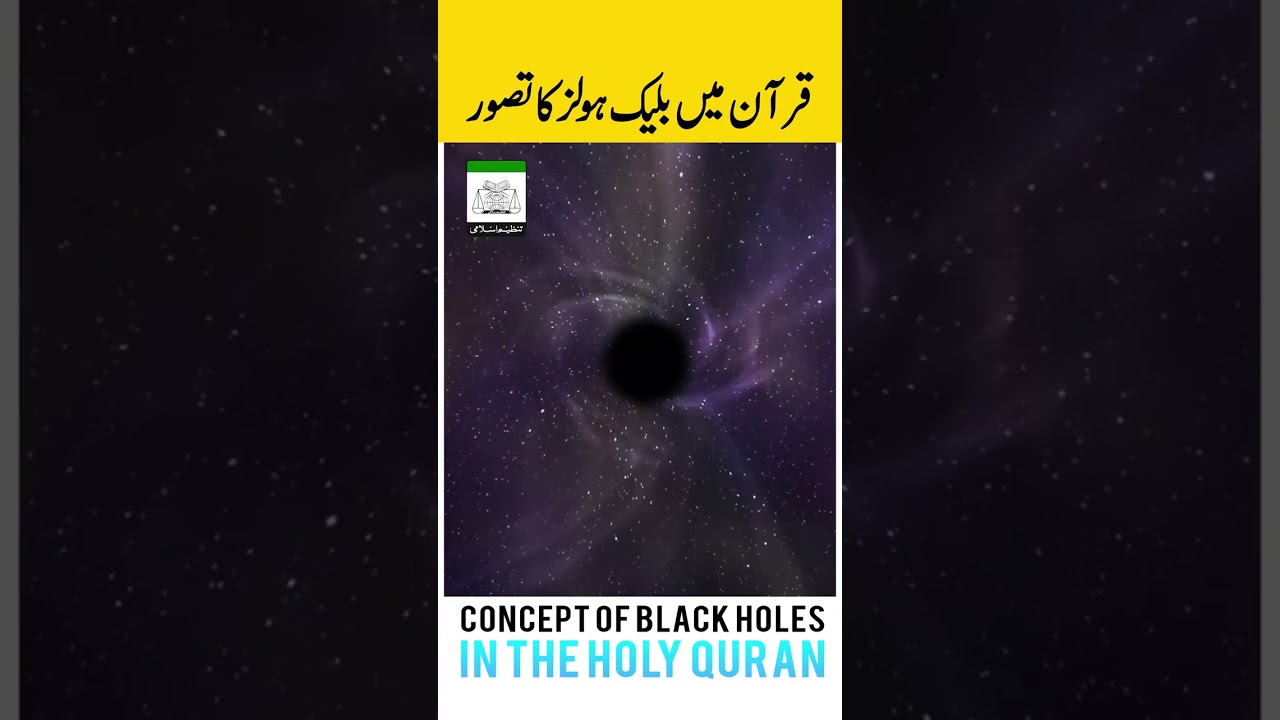
This lecture explores the astronomical significance of stars and galaxies, specifically addressing their eventual decline and disappearance. It posits that the setting of stars isn't merely a physical event but a profound cosmic process. The passage highlights the vastness of space and the eventual fate of even massive galaxies, suggesting a cyclical pattern of creation and destruction. It emphasizes the immensity of the universe and the eventual disappearance of galaxies, not just stars. This is a deep exploration of cosmic phenomena and their philosophical implications.
74
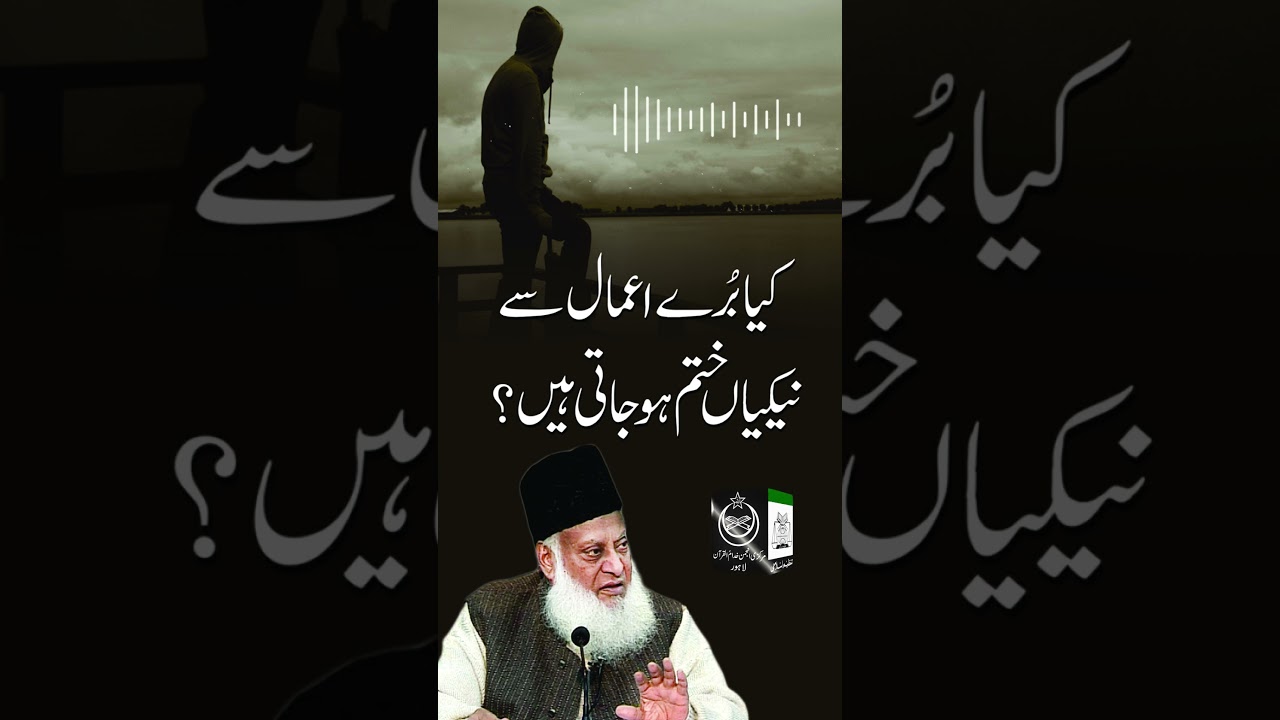
This lecture clarifies whether good deeds remain valid despite the presence of evil actions, or if evil deeds nullify the effect of good deeds. It asserts that evil actions definitively diminish or invalidate the benefits of good deeds, rendering them ineffective. Committing grave sins, such as denying the Quran or the Prophet Muhammad, can completely negate all accumulated good deeds.
70

True goodness originates from faith, manifesting as sincere intention and the pursuit of Allah’s pleasure. This involves acting with love for God and ensuring actions are righteous and beneficial. The most prominent expression of goodness is selfless service to humanity, driven by compassion. This includes prioritizing support for family, orphans, the poor, travelers, those in need, and freeing the oppressed. Good deeds are not merely for worldly reward, but for eternal recompense.
67

This lecture details the practice of additional *takbirat* (declarations of greatness of God) during Eid al-Fitr prayers. The Hanafi school of thought prescribes six additional *takbirat*, while the Ahl-e-Hadith tradition follows twelve. The speaker emphasizes performing these *takbirat* while traveling to and from the Eid prayer, ideally using different routes to amplify the proclamation throughout the community. The core message urges believers to actively uphold and propagate their faith through striving, dedication, and even sacrifice, as a demonstration of gratitude for divine guidance. It stresses that upholding and establishing the true faith requires sincere effort and dedication, and that gratitude for Allah's guidance should manifest in a commitment to living a righteous life.
72
