Shorts
This lecture explores the incomplete nature of the Prophet Muhammad’s mission, asserting that the complete prevalence of the Divine religion across the entire world is a prerequisite for the Day of Judgement. It details how, while significant portions of Arabia were illuminated by the light of monotheism during the Rashidun Caliphate, vast regions including China, India, Europe, and much of Africa remained untouched. The speaker emphasizes that until the entirety of the earth embraces the Divine message, the Prophet’s ultimate objective remains unrealized, highlighting the continuous need for striving and dedication towards its completion.

56

This lecture explores the limits of human knowledge and emphasizes the absolute knowledge of Allah. It highlights that no soul knows what it will earn tomorrow or where it will die. The text illustrates this with the example of someone traveling and unexpectedly passing away, contrasting it with those who live for years in one place. It reinforces that Allah is the All-Knowing, the All-Aware, and that He alone possesses complete knowledge of the unseen and future events. The discussion centers on the concept that everything is within Allah’s knowledge, including what is in the wombs and the circumstances of death.
56
Every conscious human being has a purpose, an ideal, or an inspiration in life. They strive to achieve this ideal through effort and perseverance. A person without purpose is akin to an animal, living solely on instinct and fulfilling basic needs like eating and reproduction. Animals exist based on instinct, lacking a higher purpose. Such a life is considered base. The Quran emphasizes that a life devoid of purpose is animalistic. True humanity lies in having a defined goal and striving towards it.
121
Dr. Israr Ahmad discusses the historical context of Islam’s arrival in the Mewat region, an area initially lacking formal religious education and practice. He explains how early conversions were often superficial, lacking deep understanding of Islamic rituals. The speaker details the common practice of validating marriages through symbolic acts—exchanging garments and circling each other—to ensure the commitment was genuine, rather than merely a verbal agreement. This ensured a true bond was established, solidifying the marriage contract beyond a simple recitation.
78
This lecture explores the distinction between Islam and Iman (faith). The speaker clarifies that simply professing Islam is insufficient; true faith requires the internalization of belief within the heart. The Quranic verse from Surah Al-Hujurat, chapter 49, verse 14, highlights the difference between outward submission and genuine belief. The speaker elaborates on the verse in Surah Al-Saf, chapter 6, verse 10, which emphasizes the need for a faith free from doubt and supported by striving in the path of Allah with wealth and life. The lecture emphasizes that a complete faith is demonstrated through both belief and action, and that true believers continuously strive to deepen their connection with Allah.
115
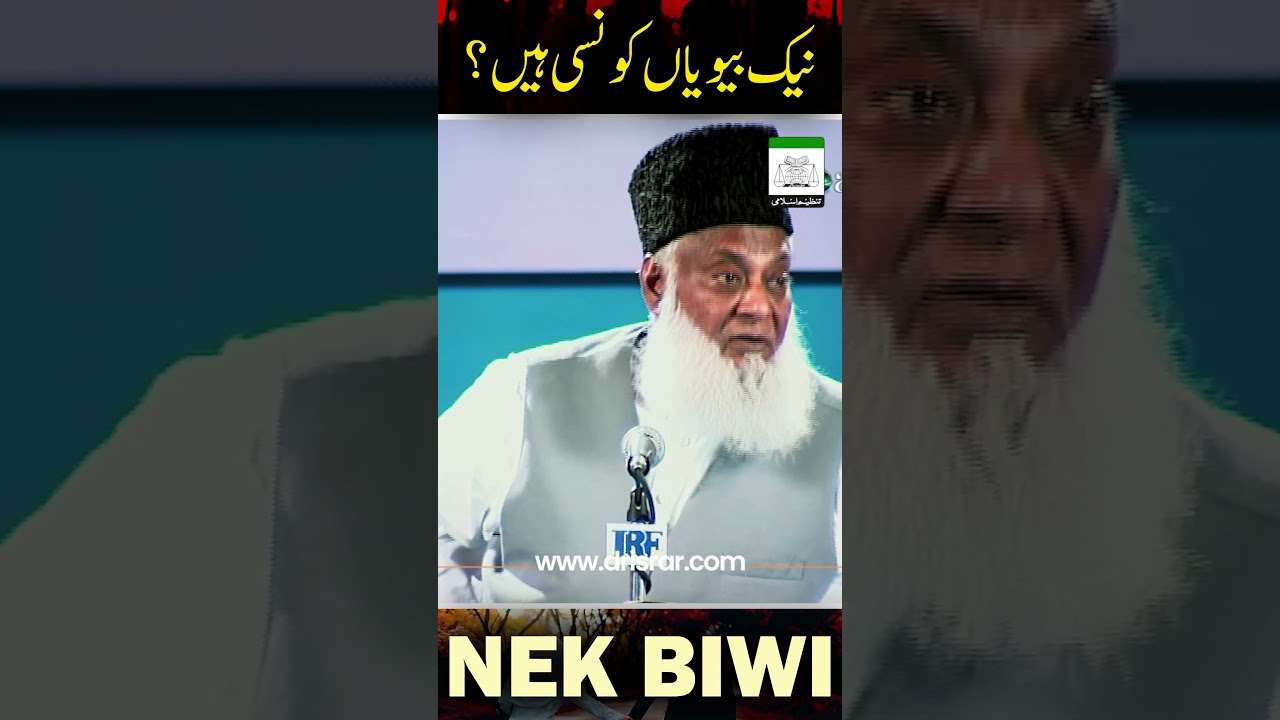
The Quran emphasizes the husband's role as a protector and provider within marriage, requiring the wife’s obedience unless the command involves sin. It highlights that righteous wives are obedient to their husbands, but obedience is not required in matters of disobedience to God. Husbands are responsible for guiding their wives towards righteousness and maintaining a just and loving relationship. This lecture clarifies the rights and responsibilities within a marital bond, emphasizing the importance of mutual respect and adherence to divine guidance.
150
