Kurze Hose

This lecture emphasizes that true religious devotion requires personal piety and the practical implementation of faith within one’s own life and sphere of influence. The speaker cautions against merely constructing physical structures like mosques without concurrent self-improvement and organized, constructive action. He warns that disorganized groups can cause disruption and impede meaningful progress. The core message is that establishing faith within oneself and one’s immediate surroundings is the foundational step before attempting wider religious work.

68

This lecture explores the complexities of the human mind, detailing three dimensions of awareness: conscious knowledge, suppressed memories, and the unconscious. It asserts that Allah (God) is aware of everything within the human being, including thoughts, intentions, and hidden desires, even those of which the individual is unaware. The discussion clarifies that both outwardly expressed and internally concealed knowledge are within divine awareness, encompassing the entire spectrum of human consciousness and subconsciousness. The lecture emphasizes the all-encompassing nature of divine knowledge, extending even to the innermost whispers of the self.
59

This lecture explores the divine promise of acceptance for those who sincerely call upon God. It emphasizes that God actively encourages supplication and responds to the needs of His creation. The speaker clarifies that reluctance to ask from God evokes His displeasure, while persistent supplication, especially during the last third of the night, is met with response. However, arrogance and pride in worship are cautioned as barriers to divine acceptance, leading to the consequences of hellfire. The core message is about humility in prayer and the power of sincere supplication.
63

The Quran repeatedly emphasizes the core message delivered by prophets including Noah, Hud, Saleh, Lot, Shu'aib, Abraham, Moses, and Jesus: the singular worship of God. This lecture highlights that the fundamental purpose of humanity's creation, as stated in Surah Az-Zariyat, is to worship God. The prophets’ call consistently centers on the necessity of submitting to God’s will and recognizing His absolute sovereignty. The creation of both jinn and humankind was solely for the purpose of worship. This underscores a unified message throughout divine scripture: devotion to the one true God is the ultimate purpose of life.
73

Iqbal observed that if Nietzsche had lived in a time where he could have been guided, Iqbal would have explained the concept of *maqam-e-qabriya* (the station of the grave). The text posits that rebellion, transgression, injustice, and oppression originate within humanity, leading to the violation of others' rights and a sense of impunity. This unchecked behavior escalates into wrongdoing, exploitation, and unlawful gain. The ultimate remedy, as highlighted, is returning to God, emphasizing that while justice may be delayed, it is inevitable.
67
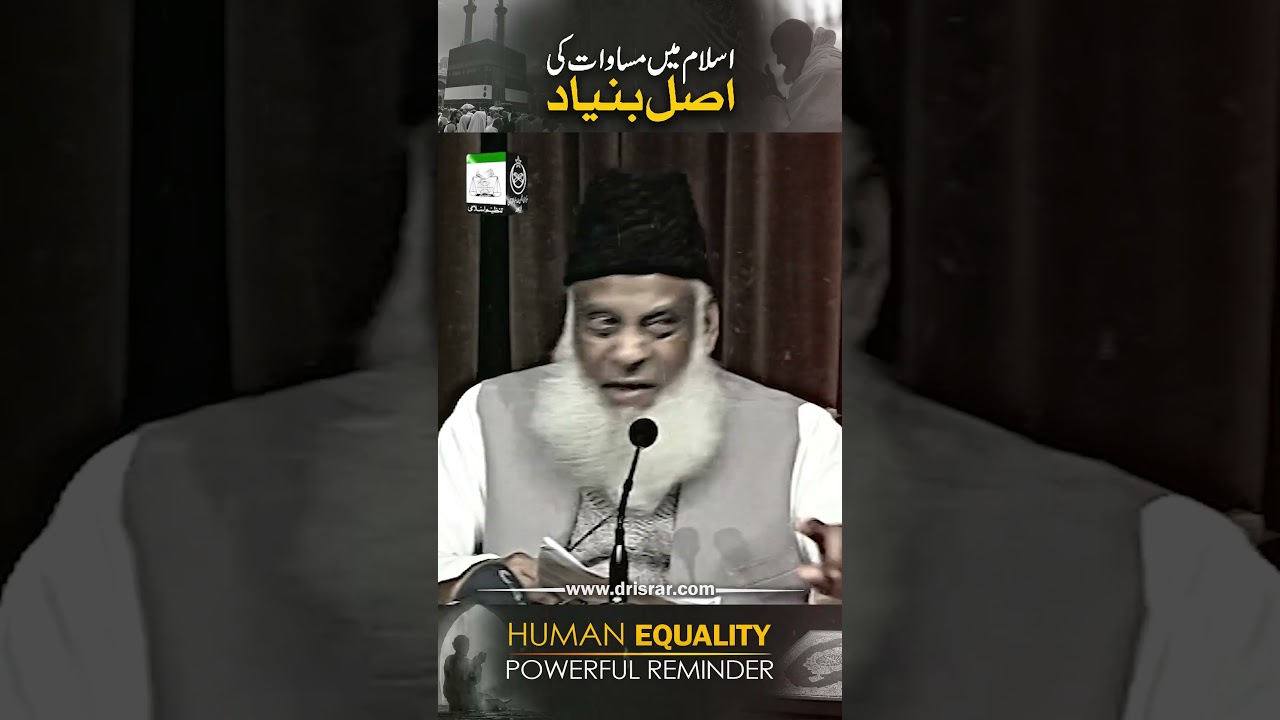
Humans are born equal, possessing inherent dignity regardless of race, ethnicity, gender, or social status. This equality is a fundamental principle, as highlighted by Allama Iqbal. Differences in status arise from acquired qualities like knowledge and piety, not from birth. True honor stems from devotion to God and righteous conduct, not from inherited characteristics. The Quran emphasizes that superiority is based on *taqwa* (piety), not on arbitrary distinctions like race or lineage. This concept rejects all forms of discrimination and promotes a society based on justice and merit.
69
