Шорты
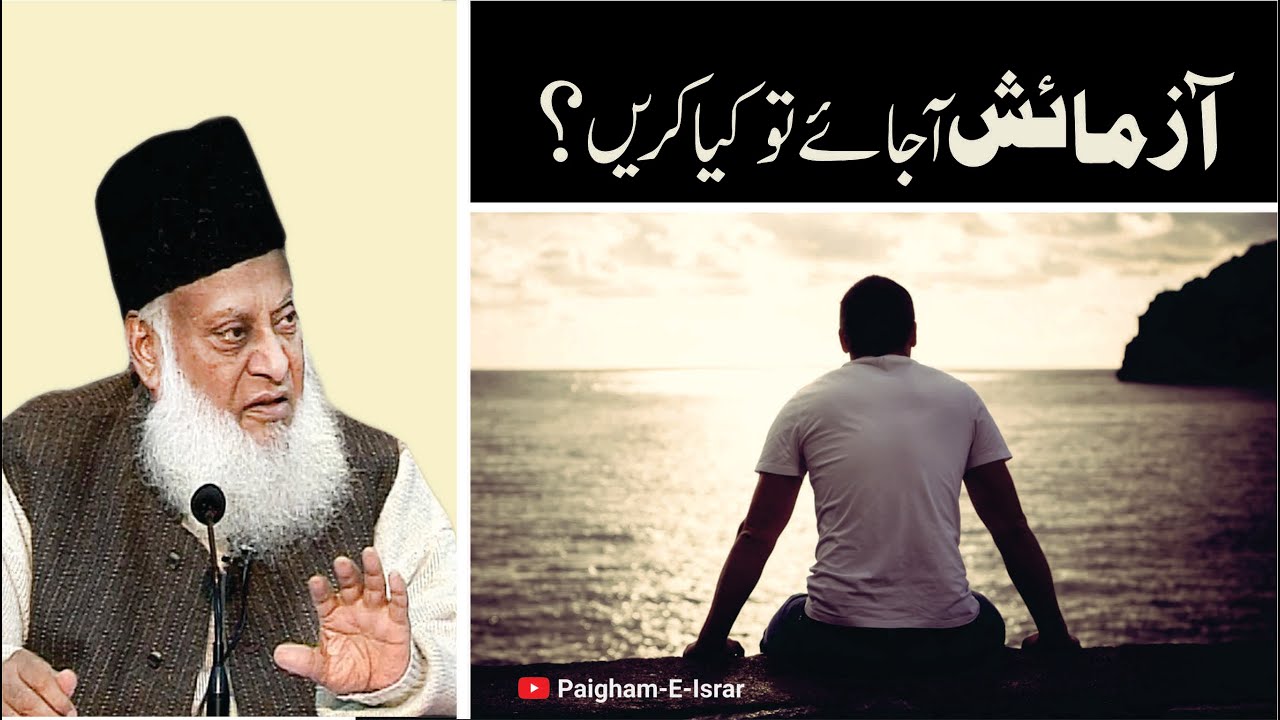
Dr. Israr Ahmad explains that all trials and tribulations, whether on a large scale like natural disasters or personal misfortunes, are part of Allah’s preordained plan, recorded in His knowledge. He emphasizes that nothing happens by chance; everything occurs with Allah’s permission and is within His complete knowledge of past, present, and future. Acceptance of this truth, rather than grief or blame, is the key to peace and resilience. The speaker illustrates this with the story of a Sufi saint who accepted being struck by a stone as a decree from Allah. True understanding means recognizing Allah’s hand in all events and trusting in His wisdom, even when experiencing hardship.

97
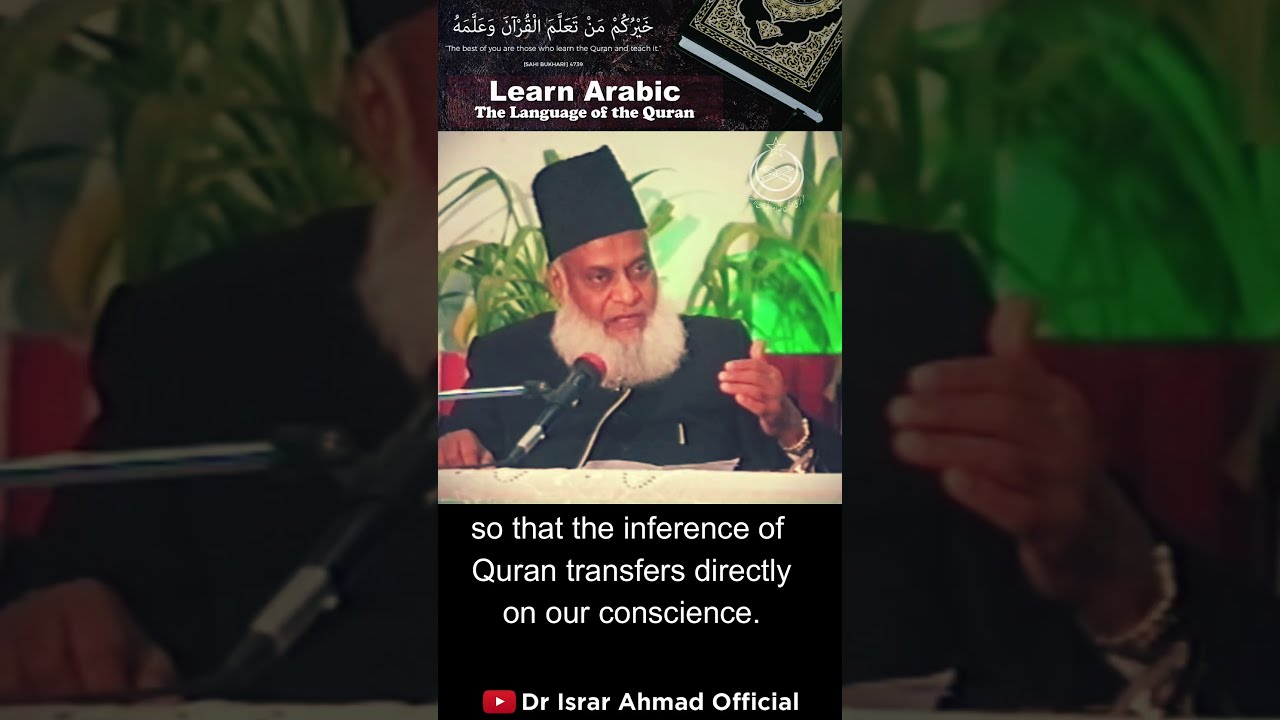
The Urdu language shares a profound connection with Arabic, extending beyond mere vocabulary. The script itself originates from Arabic, and numerous grammatical structures and lexical items are directly borrowed. This linguistic kinship makes learning Arabic particularly advantageous for Urdu speakers, facilitating a deeper understanding of religious texts like the Quran. Despite this inherent connection, sufficient effort hasn’t been directed towards mastering Arabic to directly grasp the Quran’s meaning. The speaker emphasizes the pervasive presence of Arabic-derived words in everyday Urdu speech, highlighting a missed opportunity for intellectual and spiritual enrichment.
63
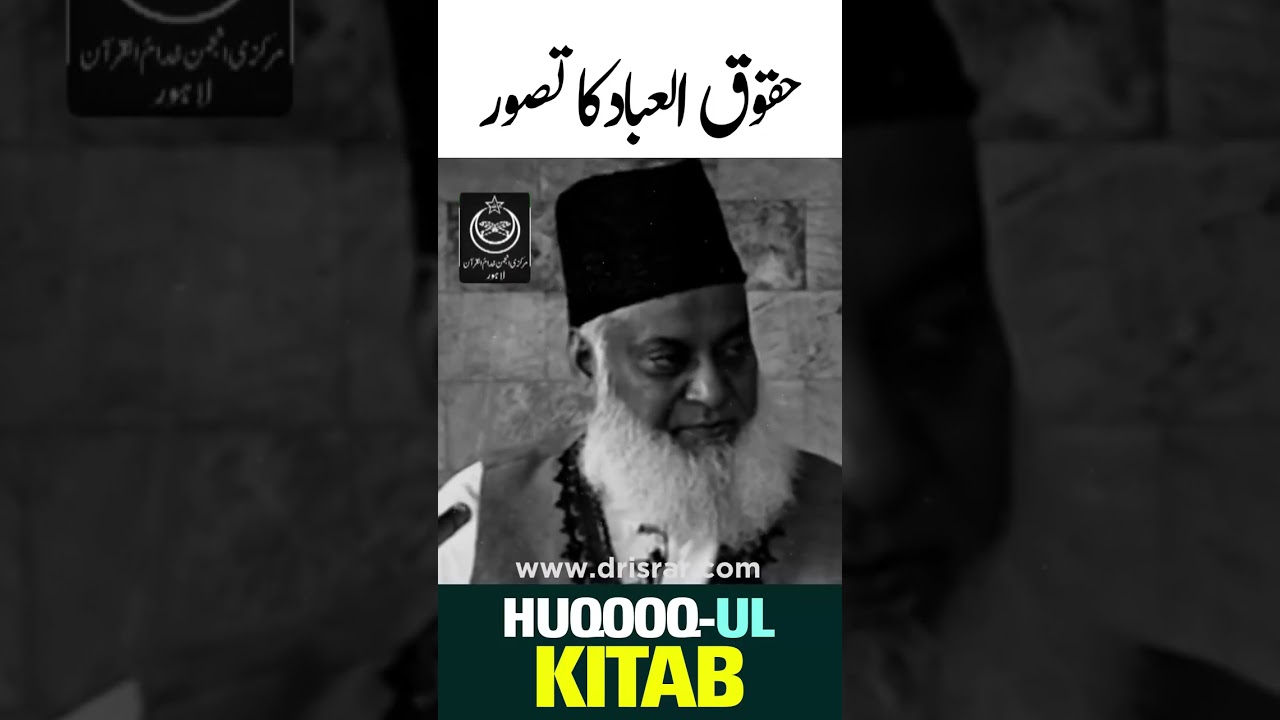
This lecture emphasizes the importance of fulfilling obligations to God and to humanity. It highlights the necessity of standing firm for justice, adhering to divine principles, and respecting revealed scriptures. The speaker stresses that true faith requires both upholding the rights of God – encompassing worship and obedience – and fulfilling the rights of others, including upholding justice and fairness. A key point is the responsibility to study, reflect upon, and act in accordance with the teachings of divine books like the Torah, the Gospel, and the Quran. The lecture concludes with a call to establish justice and follow the guidance revealed by God.
54
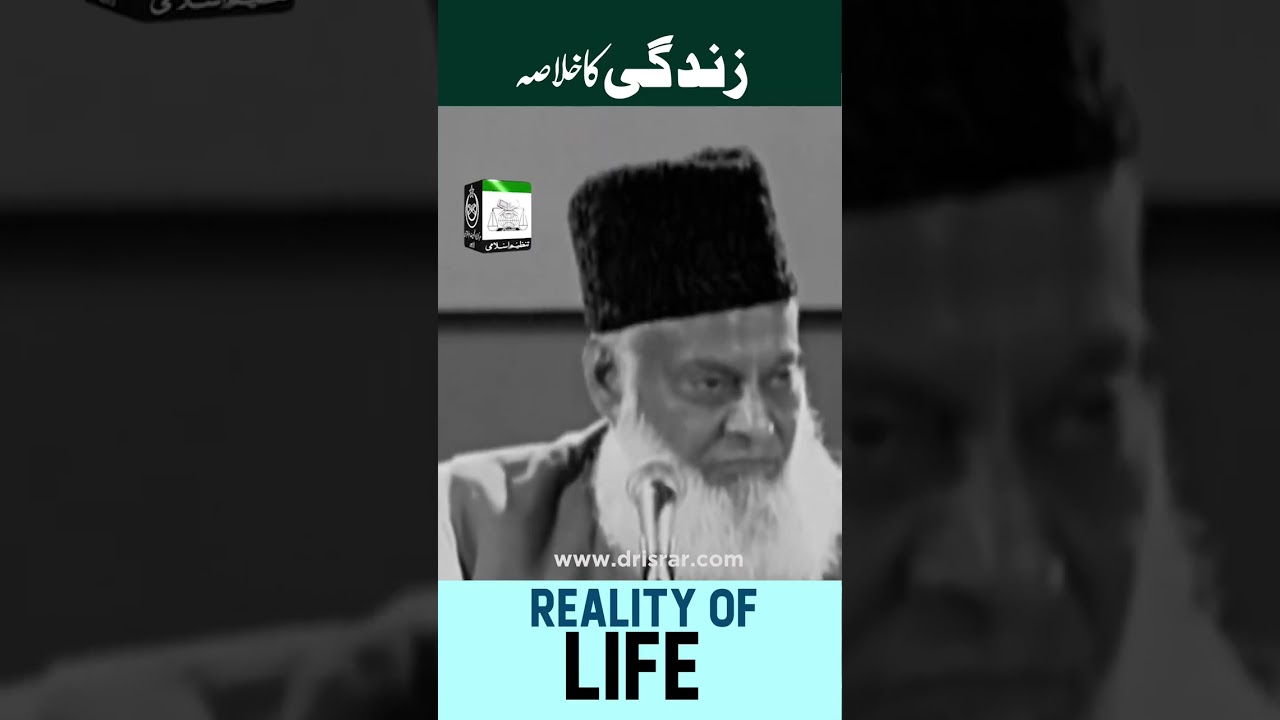
This lecture explores the profound connection between the call to prayer (azan) at birth and the funeral prayer (janaza) at death. It posits that life is an interval akin to the time between the azan and iqamat, and the subsequent prayer. The speaker draws parallels between these ritualistic acts, suggesting that birth and death are bookends to a temporary existence. The lecture highlights the transient nature of worldly life, framing it as a brief pause between two states of being, emphasizing the importance of reflection and spiritual awareness.
71

Dr. Israr Ahmad explains that a lack of compassion and empathy leads to a deprivation of future blessings. True spirituality isn't solely defined by worship or asceticism, but by genuine concern for others' suffering. A shared experience of pain—empathy—connects individuals. Those who witness the pain of others but fail to offer assistance, despite having the capacity to do so, forfeit divine favor. The lecture stresses the importance of mutual support and shared sorrow within a community.
76
This lecture emphasizes the value of sufficiency over abundance. It highlights that having limited resources, but being content and self-reliant, is preferable to having plenty while being heedless and dependent on others. The core message is that fulfilling basic needs with dignity is superior to living a life of extravagance and reliance on external support. True well-being lies in avoiding debt and maintaining independence, even with modest means. Contentment and self-sufficiency bring peace of mind and protect one from humiliation.
82
