Kratke hlače
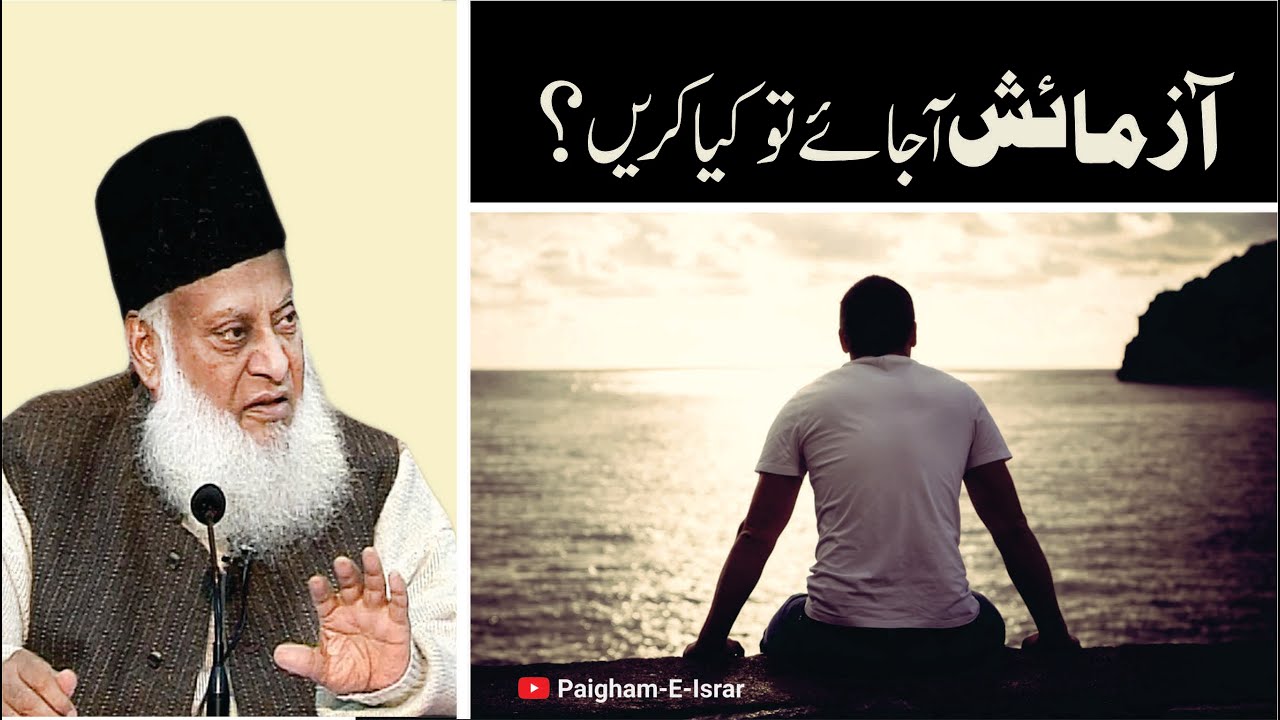
Dr. Israr Ahmad explains that all trials and tribulations, whether on a large scale like natural disasters or personal misfortunes, are part of Allah’s preordained plan, recorded in His knowledge. He emphasizes that nothing happens by chance; everything occurs with Allah’s permission and is within His complete knowledge of past, present, and future. Acceptance of this truth, rather than grief or blame, is the key to peace and resilience. The speaker illustrates this with the story of a Sufi saint who accepted being struck by a stone as a decree from Allah. True understanding means recognizing Allah’s hand in all events and trusting in His wisdom, even when experiencing hardship.

97
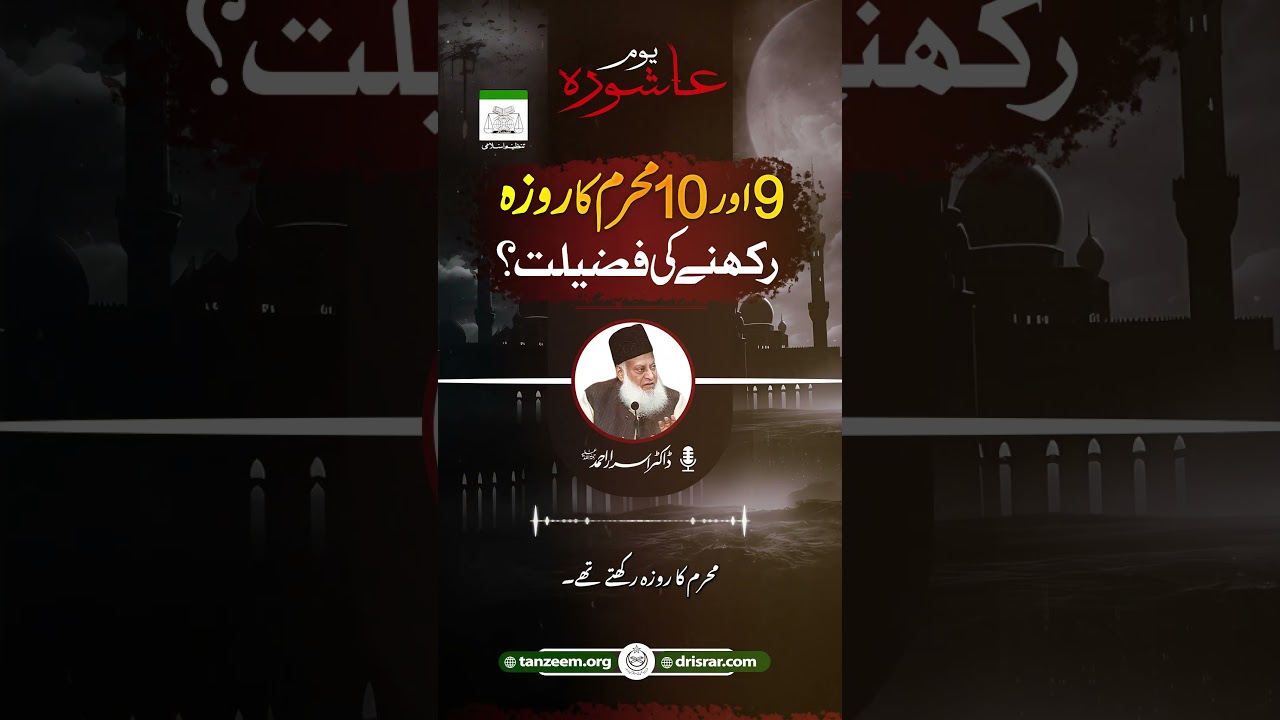
The observance of fasting on the 9th and 10th of Muharram is a recommended practice. It originated from the Prophet Muhammad’s desire to distinguish the Muslims from the Jewish community of Medina, who fasted on the 10th of Muharram commemorating their liberation from Pharaoh. The Prophet, acknowledging a stronger connection to Moses, instructed his companions to fast for two days – the 9th and 10th – instead of one. While not obligatory, this practice holds significance as a voluntary act of worship and a demonstration of the Muslim community's unique identity.
96
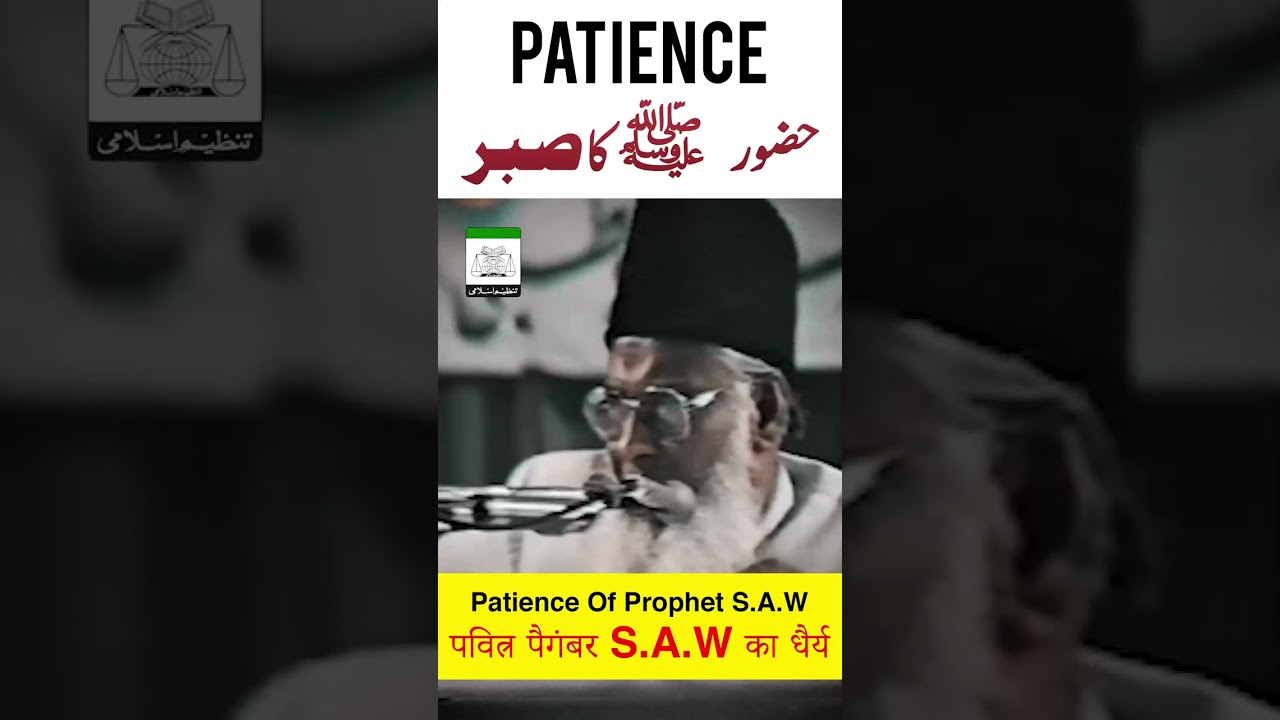
The text details a skeptical response from a prominent Quraishi man, Itbah ibn Rabi'ah, to Prophet Muhammad’s claim of receiving divine revelation. Itbah suggests the Prophet may be suffering from a malevolent spirit or affliction and offers to enlist the help of his connections to find a cure. This illustrates the initial disbelief and attempts to rationalize the Prophet’s message through pre-Islamic beliefs. The text highlights the Prophet's unwavering conviction amidst this skepticism and the challenges faced in conveying a new message.
54

This lecture discusses the esteemed position of Hazrat Ali (RA) within Islamic history and theology. It establishes him as one of the rightly guided Caliphs and highlights his exceptional virtues among the companions of the Prophet Muhammad (peace be upon him). The discussion clarifies his rank relative to Abu Bakr, Umar, and Uthman (RA), acknowledging their superior position, while affirming Hazrat Ali’s prominence among all other companions. The lecture focuses on the sequential order of Caliphs according to the Sunni perspective and establishes Hazrat Ali's elevated status within that framework.
98

True success isn't found in wealth or power, as exemplified by figures like Qarun, Pharaoh, and Nimrod, who ultimately failed despite their riches and authority. Conversely, Abu Dharr Ghifari, despite his poverty, achieved genuine success. Allah elevates certain individuals to a status where even an unintentional oath is honored. This lecture highlights that real triumph comes from divine favor, not material possessions or worldly influence. The video emphasizes the importance of spiritual elevation and reliance on Allah for achieving lasting success and fulfillment.
65

This lecture details the rulings surrounding I'tikaf during the last ten days of Ramadan. It clarifies that I'tikaf begins on the 21st night after the 20th night has passed. The lecture emphasizes that physical intimacy is prohibited for those observing I'tikaf within the mosque, although wives may visit for essential consultations or meetings. This session explains the wisdom behind these rulings and the permissible interactions during I'tikaf.
68
