מִכְנָסַיִים קְצָרִים

This lecture discusses the historical context of modest dress and covering for women in Arab and Islamic cultures. It clarifies that covering the head and body with a *chadar* (outer garment) was a common practice for both men and women when outside the home, while an *odhni* (shawl) was typically worn indoors. The discussion emphasizes that the concept of facial covering was not prevalent in pre-Islamic Arab society. It highlights how these practices were part of the cultural norms and traditions of the time, serving as a form of modesty and protection.

53
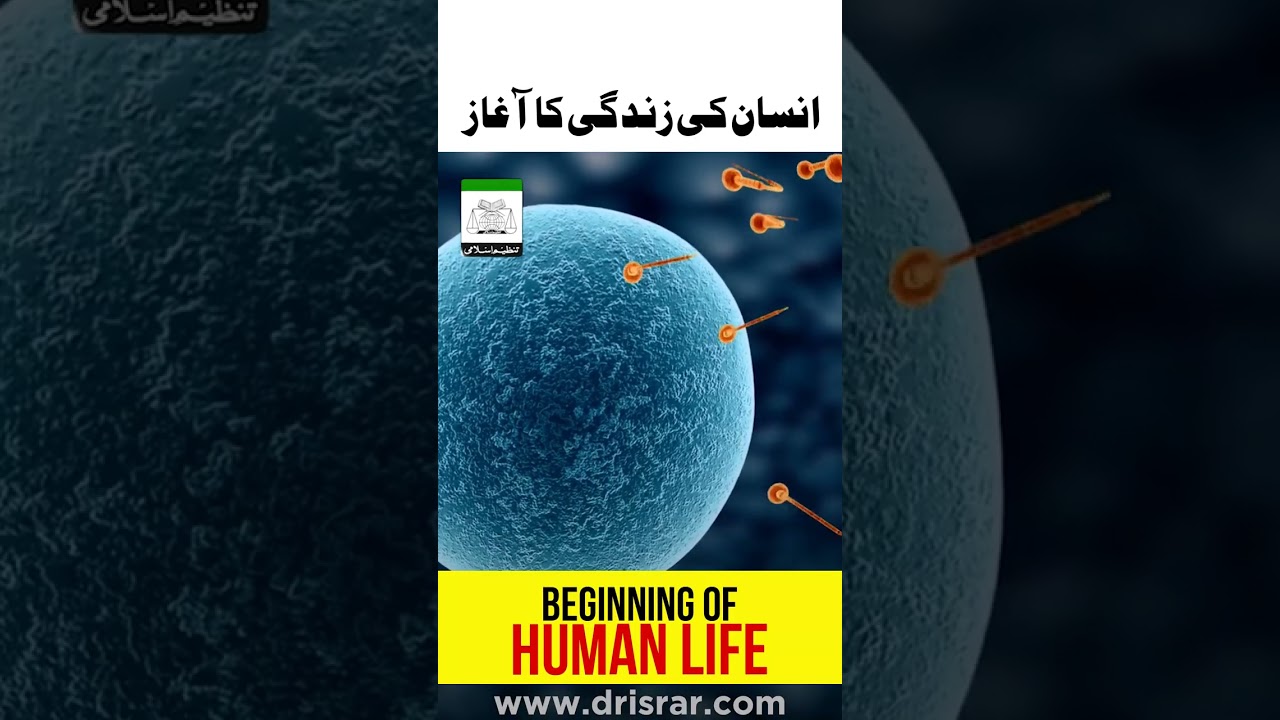
Modern microscopic observation confirms the Quranic description of human origins as detailed in Surah Qiyamah. The verse referencing the initial state as ‘nutfa’ (a drop) aligns with scientific understanding of fertilization. Microscopic analysis reveals the active, living spermatozoa originating from the male contribution, demonstrating life’s commencement at conception. The video elucidates that life does not begin 120 days after fertilization, but from the very beginning, supporting the Quranic account.
68

This lecture explores the concept of free will and its implications. Humans experience freedom in this world, but are accountable for their actions. The material laws of this world do not immediately punish wrongdoing, creating a false sense of impunity. However, the ultimate return is to God, where every deed, no matter how small, will be accounted for. Those who perform even a speck of good will find it before them, and those who commit even a speck of evil will also face its consequences. This emphasizes divine accountability and the importance of righteous conduct despite the apparent lack of immediate consequences.
62
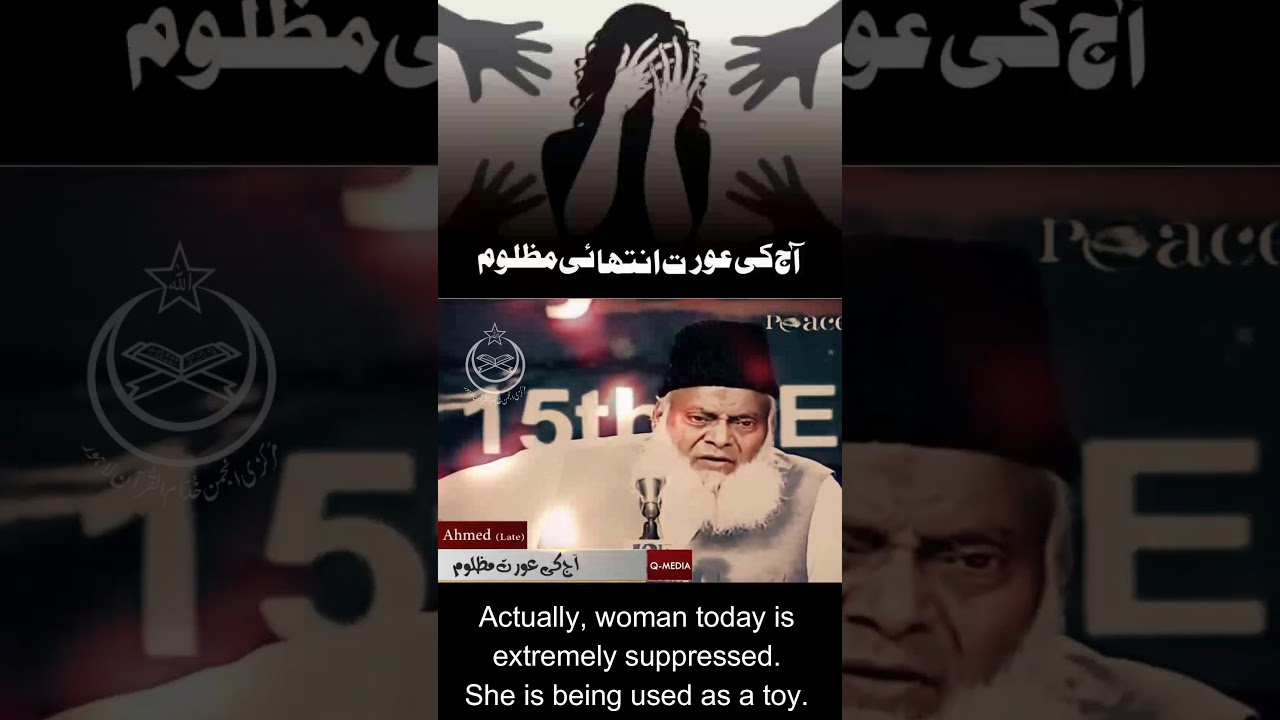
This lecture discusses the plight of women, particularly in Western societies, highlighting the burdens they bear – pregnancy, childbirth, and financial responsibility. It critiques the objectification of women and questions the values of Western civilization, suggesting a concerning trend of exploitation and disregard for their dignity. The speaker emphasizes the need to understand and respect women's true worth and role in society.
100
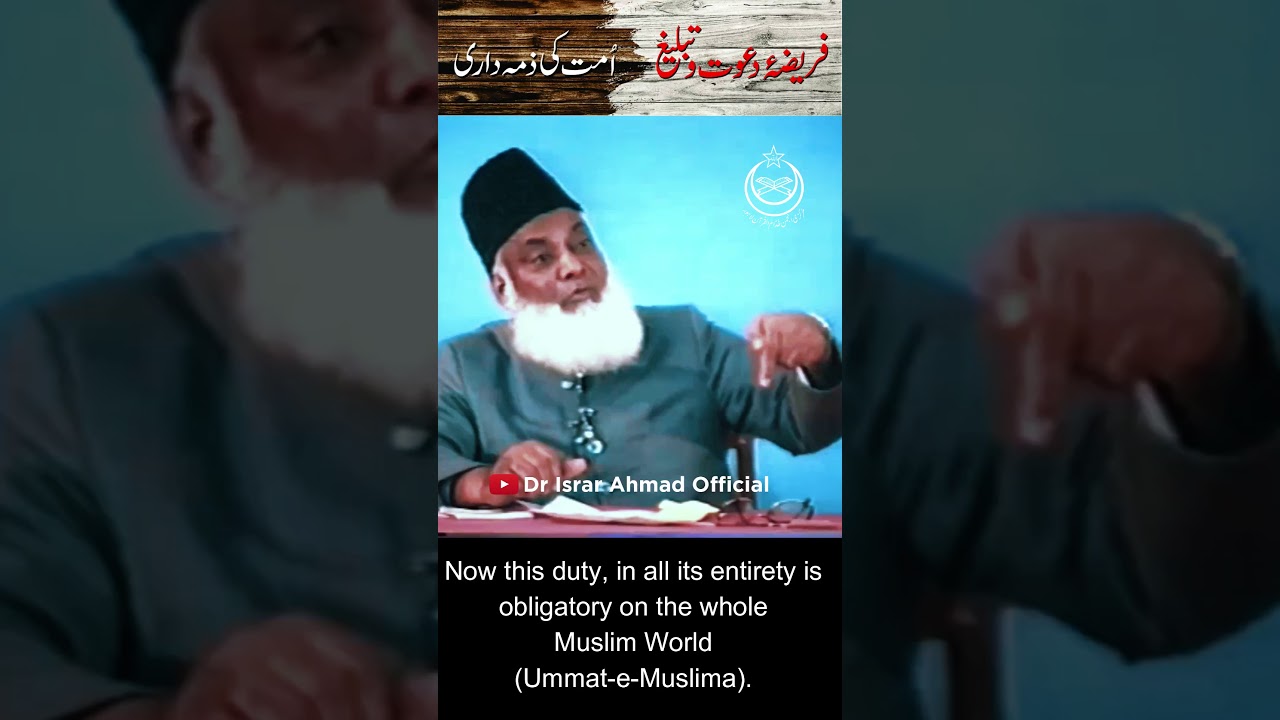
This lecture emphasizes that propagating the message of Islam is no longer the sole responsibility of prophets, but a collective obligation incumbent upon the entire Muslim community. It argues that Muslims must actively convey the faith through their actions and outreach, becoming living examples of its principles. Failure to do so will result in a negative testimony on the Day of Judgment, with the community being held accountable for not upholding the legacy of the Prophet. The speaker stresses that establishing a clear argument for faith before all of humanity is a fundamental duty, requiring dedication of resources and abilities to effectively spread the message of Islam.
219

Zakat, a foundational pillar of Islam, is presented as more than just charity. It’s the initial expression of one’s ability to spend in the way of God, enabling fulfillment of others’ needs. Like a sealed bottle preventing any outflow, hoarding wealth stifles spiritual growth. Zakat unlocks this blockage, even in the most miserly, prompting generosity through obedience to divine command. This act of giving, even if singular, establishes a basis for diminishing the love of wealth within the heart, paving the way for increased compassion and giving.
73
