السراويل القصيرة
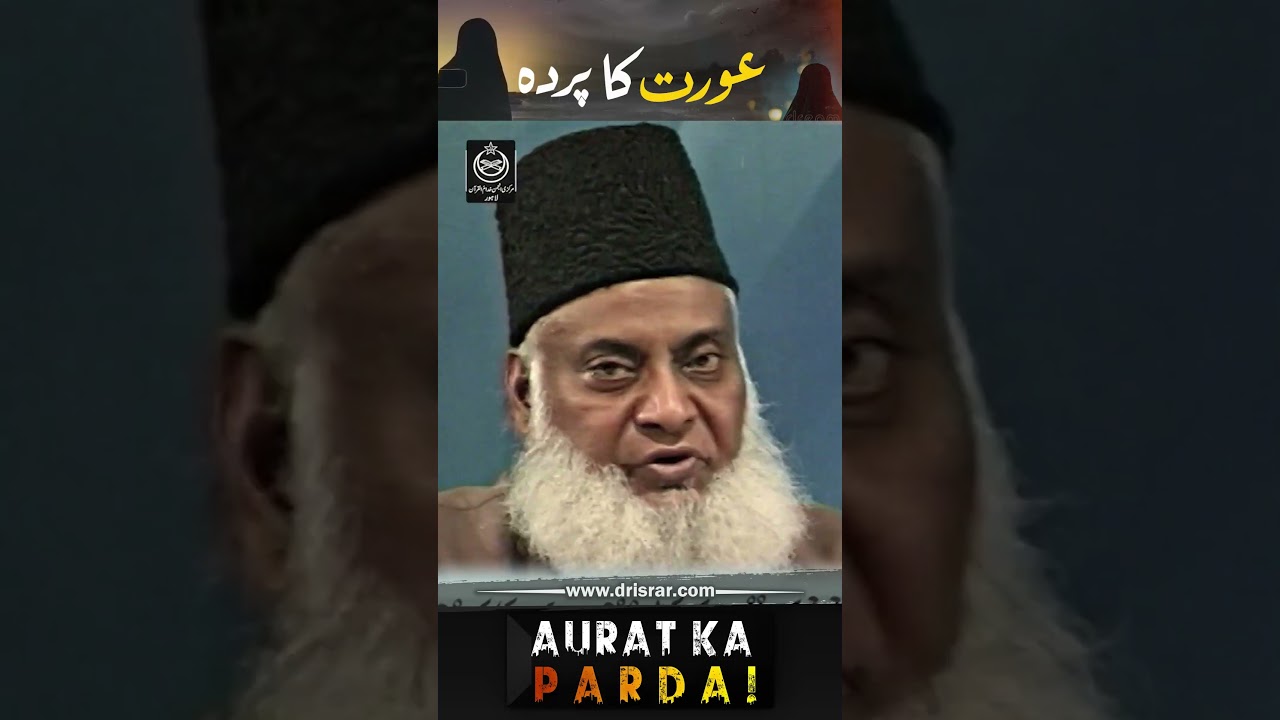
This lecture discusses the historical context of modest dress and covering for women in Arab and Islamic cultures. It clarifies that covering the head and body with a *chadar* (outer garment) was a common practice for both men and women when outside the home, while an *odhni* (shawl) was typically worn indoors. The discussion emphasizes that the concept of facial covering was not prevalent in pre-Islamic Arab society. It highlights how these practices were part of the cultural norms and traditions of the time, serving as a form of modesty and protection.

53
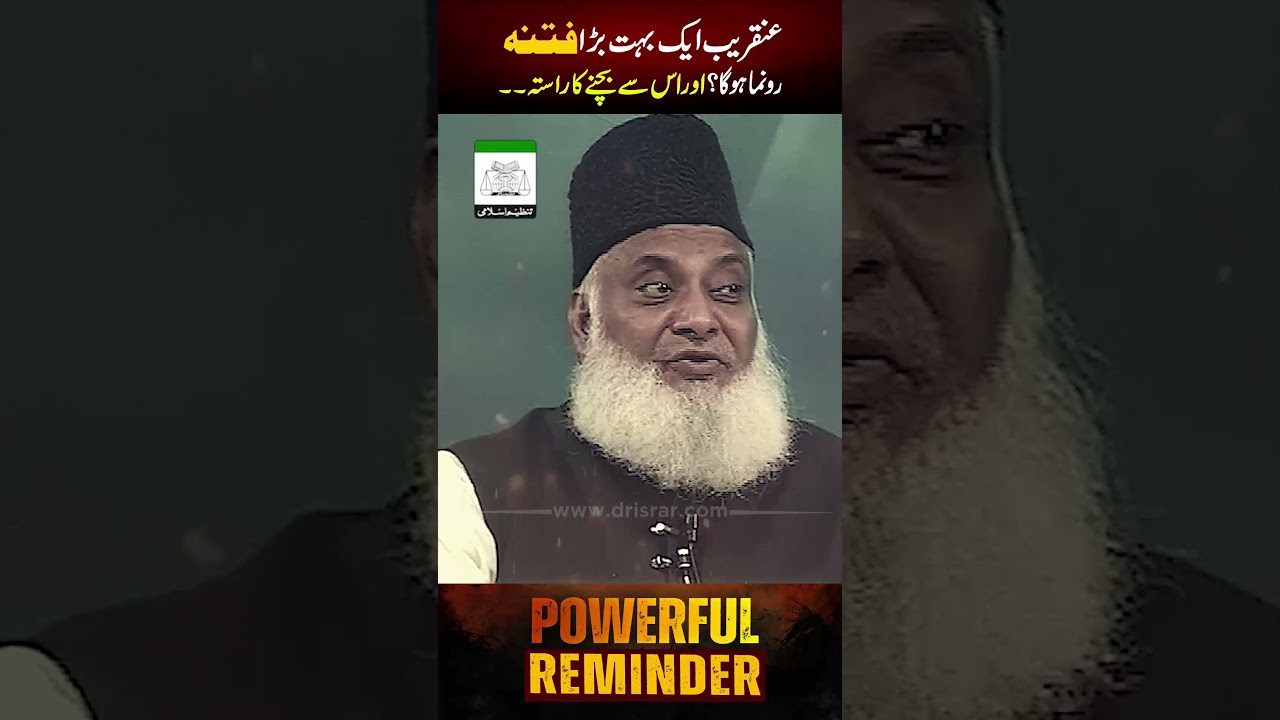
Hazrat Ali (RA) narrates that the Prophet Muhammad (peace be upon him) foretold of a great tribulation (fitna). When asked about the means of salvation, the Prophet (peace be upon him) stated that the Quran is the source of guidance. It contains accounts of those who came before and those who will come after, and holds the solutions to all disputes and differences.
71
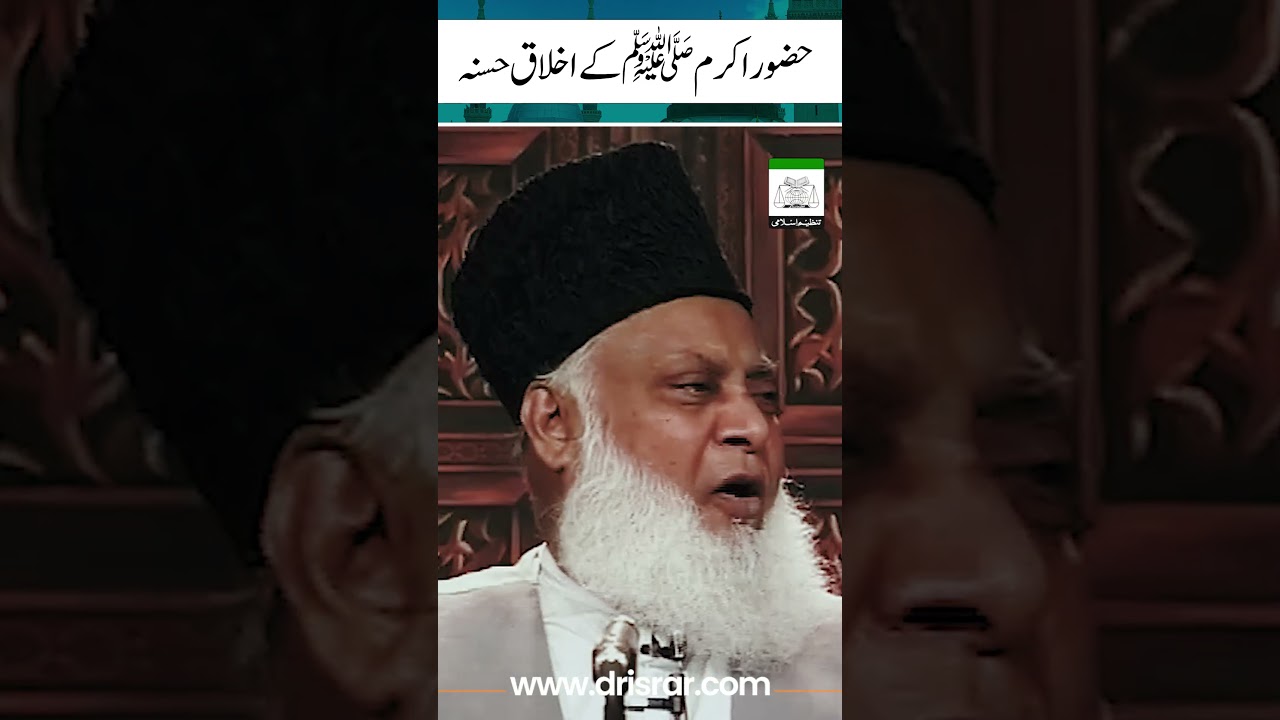
Dr. Israr Ahmad discusses the Prophet Muhammad’s (peace be upon him) remarkable humility and integration with his companions. He emphasizes the Prophet’s deliberate choice to present himself as an ordinary human being, eschewing any display of special status or privilege. The Prophet actively discouraged people from standing upon his arrival and mingled freely with his followers, sitting among them without distinction. This demonstrated a profound commitment to equality and accessibility, fostering a sense of unity and brotherhood among the early Muslim community. The speaker highlights that the Prophet’s approach was a conscious effort to remove barriers between himself and his companions, encouraging genuine connection and spiritual growth.
54
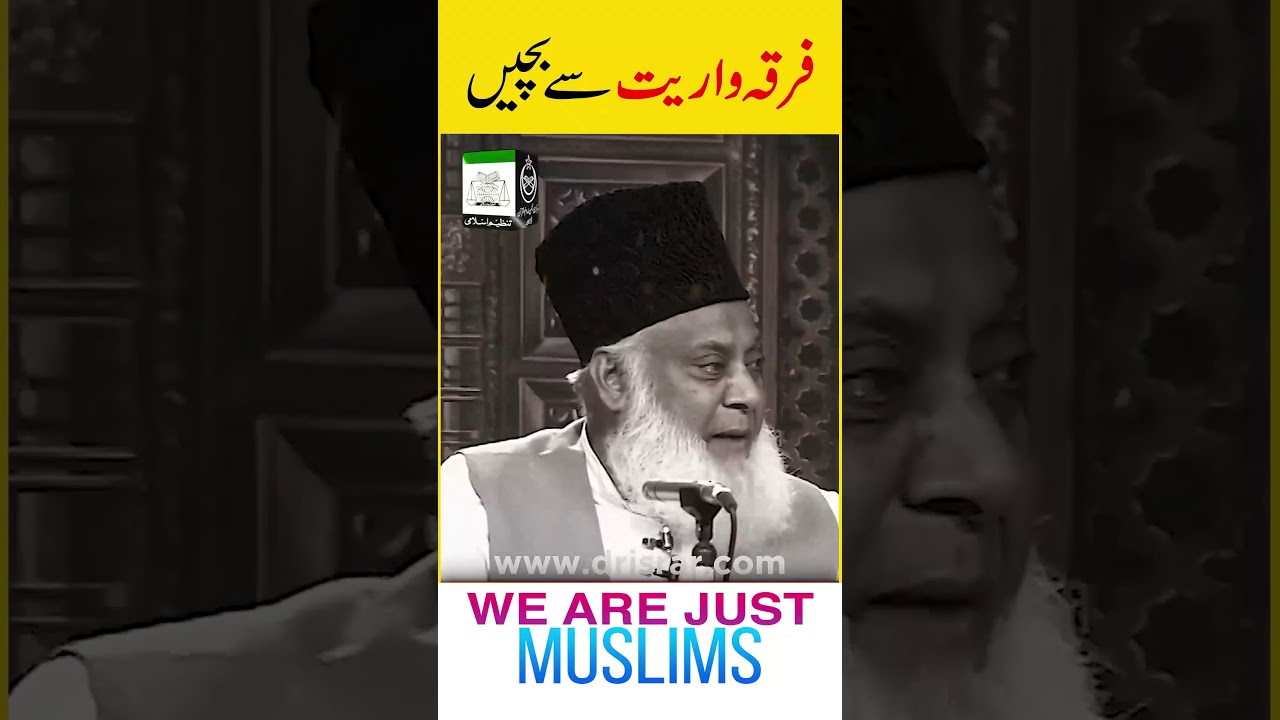
This lecture clarifies the dangers of sectarianism and emphasizes the importance of unity within the Muslim community. It explains that forming separate factions based on personal understanding or lineage is detrimental. The Quran clearly identifies Muslims as a unified body, and adhering to this principle is crucial. The speaker stresses that Muslims should unite under the single identity of ‘Muslim’ as ordained by God, rejecting divisions that arise from differing interpretations or the creation of new groups. It condemns the formation of new sects and emphasizes the importance of remaining unified under the banner of Islam.
53
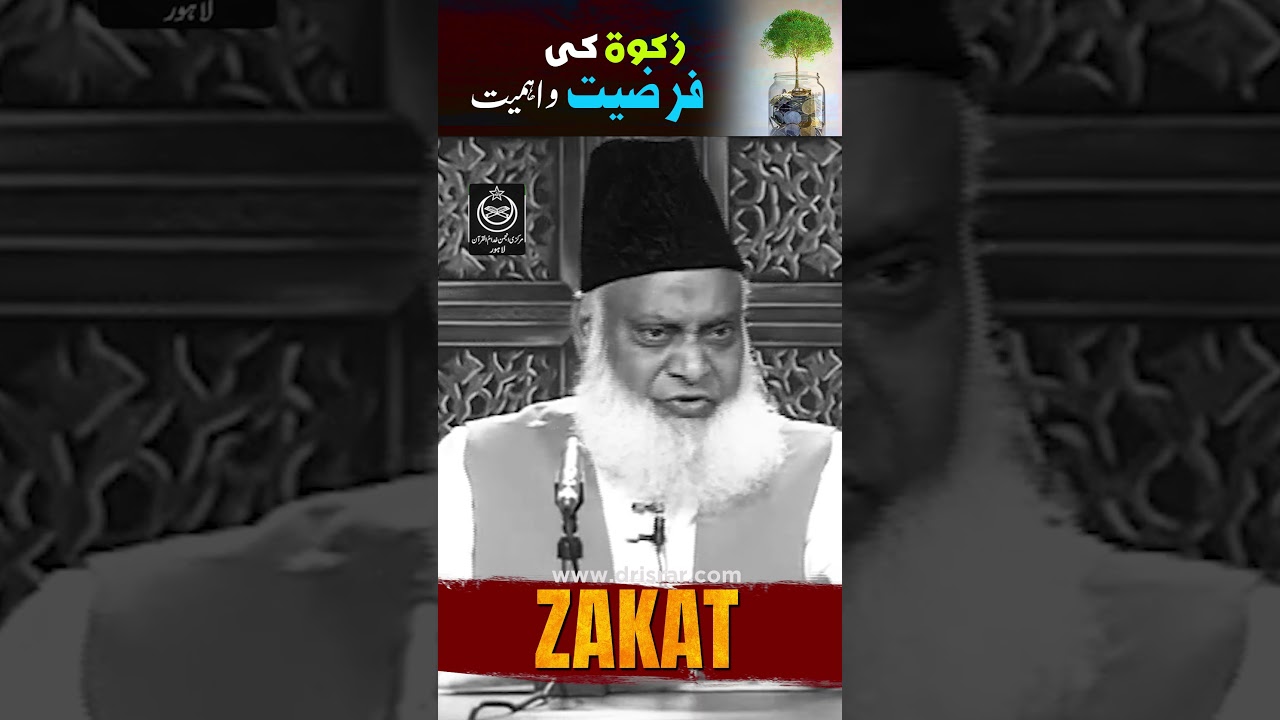
Zakat, a foundational pillar of Islam, is presented as more than just charity. It’s the initial expression of one’s ability to spend in the way of God, enabling fulfillment of others’ needs. Like a sealed bottle preventing any outflow, hoarding wealth stifles spiritual growth. Zakat unlocks this blockage, even in the most miserly, prompting generosity through obedience to divine command. This act of giving, even if singular, establishes a basis for diminishing the love of wealth within the heart, paving the way for increased compassion and giving.
73

This lecture explores the profound connection between the call to prayer (azan) at birth and the funeral prayer (salat-e-janaza) at death. It posits that life is an interval mirroring the time between the azan and iqamat preceding a prayer, and the prayer itself. The speaker draws a parallel between the commencement of life, marked by the azan, and its conclusion, represented by the funeral prayer, highlighting the transient nature of worldly existence. Life is presented as a brief pause between these two spiritual occurrences, emphasizing the temporary nature of this world.
50
