Shorts

This lecture discusses the historical context of modest dress and covering for women in Arab and Islamic cultures. It clarifies that covering the head and body with a *chadar* (outer garment) was a common practice for both men and women when outside the home, while an *odhni* (shawl) was typically worn indoors. The discussion emphasizes that the concept of facial covering was not prevalent in pre-Islamic Arab society. It highlights how these practices were part of the cultural norms and traditions of the time, serving as a form of modesty and protection.

53
Islam establishes four fundamental pillars of faith and practice. Two are related to belief – the declaration of faith – and two are acts of worship: prayer and fasting, which are obligatory for all Muslims regardless of wealth or status. Zakat is required of those with financial means, while pilgrimage to Mecca is an obligation for those who possess the ability to undertake it. This lecture clarifies the scope and requirements of each pillar, differentiating between universally mandated acts and those dependent on individual capacity.
79
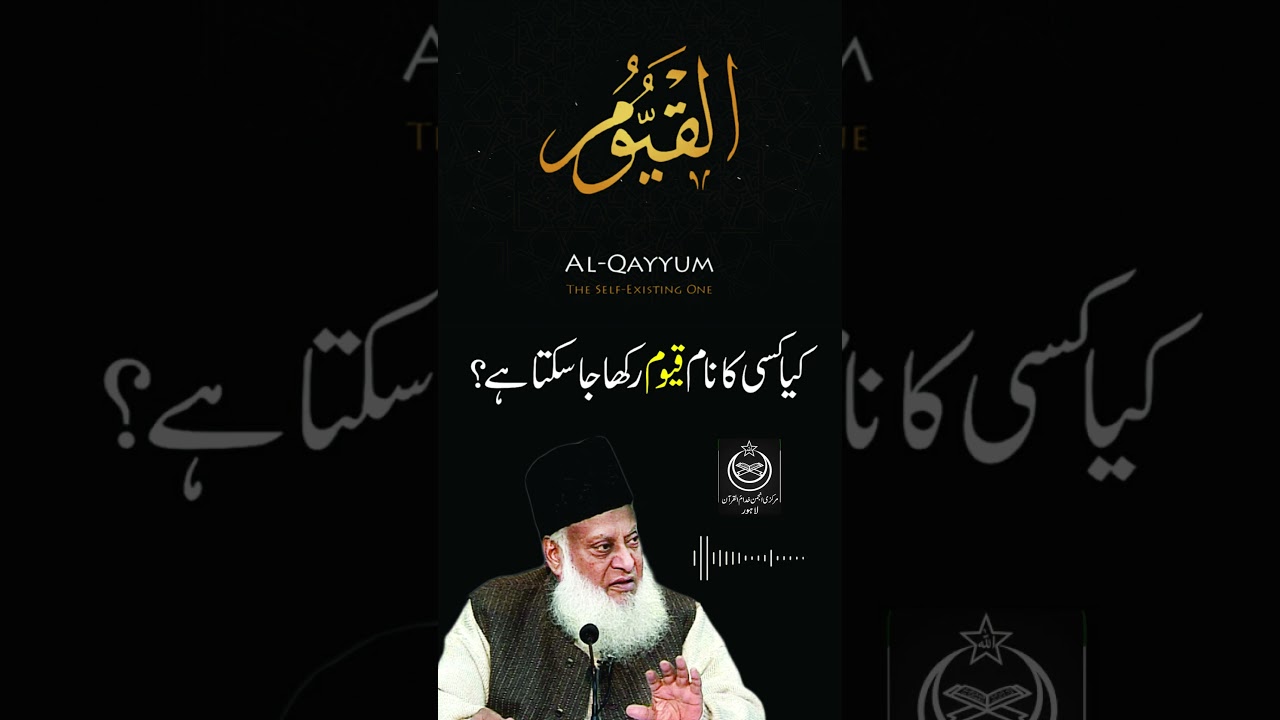
The lecture clarifies the meanings of Al-Hayy (The Ever-Living) and Al-Qayyum (The Sustainer). While 'Hayy' describes life applicable to all beings, 'Al-Hayy' specifically denotes Allah. Similarly, 'Qayyum' signifies one who establishes and maintains, but 'Al-Qayyum' is exclusive to Allah. Attributing 'Al-Qayyum' to anyone else is inappropriate. The discussion explains how using 'Abd Al-Hayy' and 'Abd Al-Qayyum' is acceptable as it acknowledges servitude to the Divine, while simply ‘Hayy’ or ‘Qayyum’ used as a name implies a claim of divine attribute.
59
This lecture analyzes verse 55 of Surah Noor, explaining Allah’s promise to believers: establishing them as successors on Earth, granting dominance to their faith, and replacing their fear with security. The discussion highlights that true Tawhid (Oneness of God) is incomplete until the religion of Allah prevails. The verse connects political empowerment with spiritual fulfillment, asserting that genuine worship requires both faith and the ability to practice it without oppression. Dr. Israr Ahmad explains that the promise of governance is intrinsically linked to the establishment of Allah’s way of life and the eradication of fear among believers.
187
This lecture addresses the issue of institutionalized begging and contrasts it with genuine charitable giving rooted in Islamic teachings. It argues that simply giving small amounts of money to beggars perpetuates the problem instead of empowering them. The speaker emphasizes the importance of supporting institutions that rehabilitate and enable individuals to become self-sufficient. Giving to those in need is obligatory, but it should be done in a way that preserves their dignity and fosters independence. The lecture cautions against dismissing or humiliating those who ask for help, suggesting that even those who appear well-off may have legitimate needs. The core message is that true charity involves empowering individuals to stand on their own feet, not simply providing temporary relief.
62
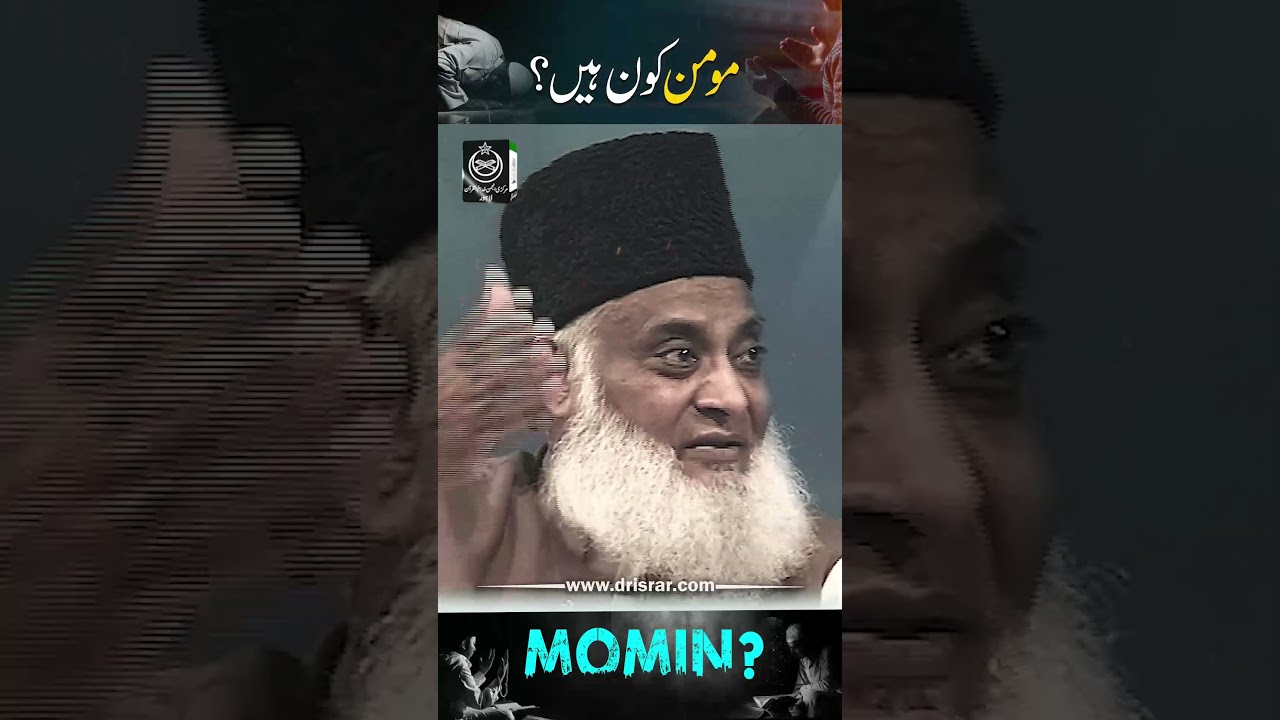
This lecture discusses the importance of *khushu* (humility and devotion in prayer) and *tazkiya-e-nafs* (self-purification). It emphasizes that true worship goes beyond merely performing rituals; it requires a sincere connection with the Divine and a constant striving for self-improvement. The speaker highlights that valuable time should not be wasted on frivolous activities but dedicated to personal growth and purification. The concept of *zakat* is explained not as financial charity in its later legal form, but as a continuous process of self-assessment and removing inner flaws. The focus is on consistently striving for moral and spiritual cleansing.
82
