Kurze Hose
True faith is deeply rooted conviction in the heart—belief in God, His attributes, His presence and knowledge, life after death, accountability, reward and punishment, Paradise and Hell, angels, divine revelation, scriptures, prophets, messengers, and the finality of the prophethood of Muhammad, peace be upon him. This conviction is the foundation of a meaningful life.

45
Every conscious human being has a purpose, an ideal, or an inspiration in life. They strive to achieve this ideal through effort and perseverance. A person without purpose is akin to an animal, living solely on instinct and fulfilling basic needs like eating and reproduction. Animals exist based on instinct, lacking a higher purpose. Such a life is considered base. The Quran emphasizes that a life devoid of purpose is animalistic. True humanity lies in having a defined goal and striving towards it.
121
This lecture clarifies the rulings regarding making up missed fasts (qaza) and paying compensation (fidyah) during Ramadan. It explains that while the apparent command of fidyah seems rescinded, the Prophet Muhammad (peace be upon him) maintained it for specific cases: those whose health would be severely endangered by fasting, such as the elderly, chronically ill, or those with no hope of recovery. Healthy individuals capable of fasting are obligated to make up missed fasts. The lecture details who is exempt and when fidyah is permissible, emphasizing the importance of fulfilling religious obligations when physically able.
44

This lecture explores the meaning of ‘Akbar’ as revealed in the initial verses concerning the prophethood. It emphasizes rising above complacency and recognizing the grandeur of God. The verses urge individuals to abandon their comfort and embrace a life dedicated to proclaiming the truth of resurrection and divine greatness. The core message centers on acknowledging God’s supremacy, establishing a system that reflects that greatness, and actively conveying this message to others. The lecture calls for a complete submission to God and a life lived in recognition of His power and majesty.
59
The Prophet Muhammad (peace be upon him) once asked his companions about bankruptcy. They defined it as a lack of wealth. The Prophet corrected them, stating the true bankrupt in his nation will be the one who comes with a large number of prayers, fasts, and pilgrimages, but also with the burdens of having wronged others – having insulted someone, unjustly taken their wealth, or falsely accused them. On the Day of Judgment, these wronged individuals will present their claims, depleting the bankrupt’s good deeds. If the deeds are insufficient, their sins will be transferred to them, leading to their destruction in Hell. This is the true meaning of bankruptcy – a spiritual and moral deficiency.
58
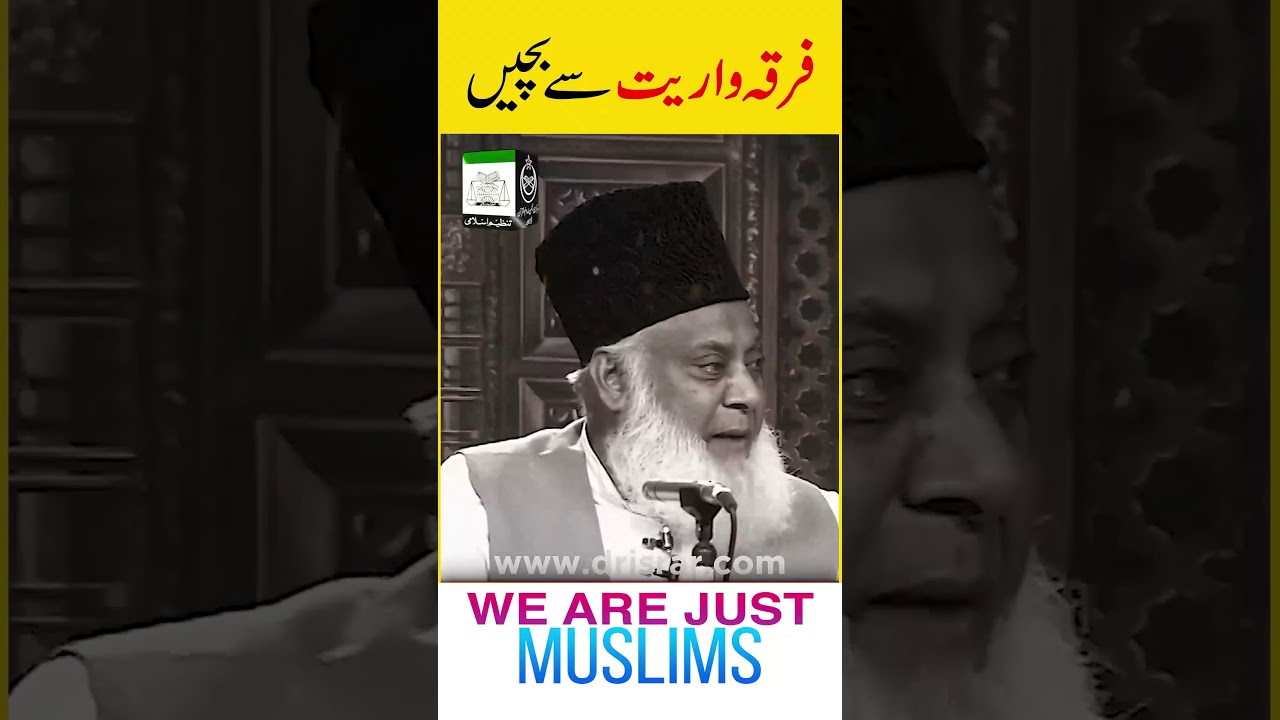
This lecture clarifies the dangers of sectarianism and emphasizes the importance of unity within the Muslim community. It explains that forming separate factions based on personal understanding or lineage is detrimental. The Quran clearly identifies Muslims as a unified body, and adhering to this principle is crucial. The speaker stresses that Muslims should unite under the single identity of ‘Muslim’ as ordained by God, rejecting divisions that arise from differing interpretations or the creation of new groups. It condemns the formation of new sects and emphasizes the importance of remaining unified under the banner of Islam.
53
