מִכְנָסַיִים קְצָרִים

Every action, no matter how small or large, is recorded in the knowledge of Allah. Each word uttered is also within His awareness. Therefore, even the weight of an atom of good will be witnessed, and similarly, the weight of an atom of evil will also be seen. This emphasizes complete accountability for all deeds, encouraging mindful action and discouraging wrongdoing.

71
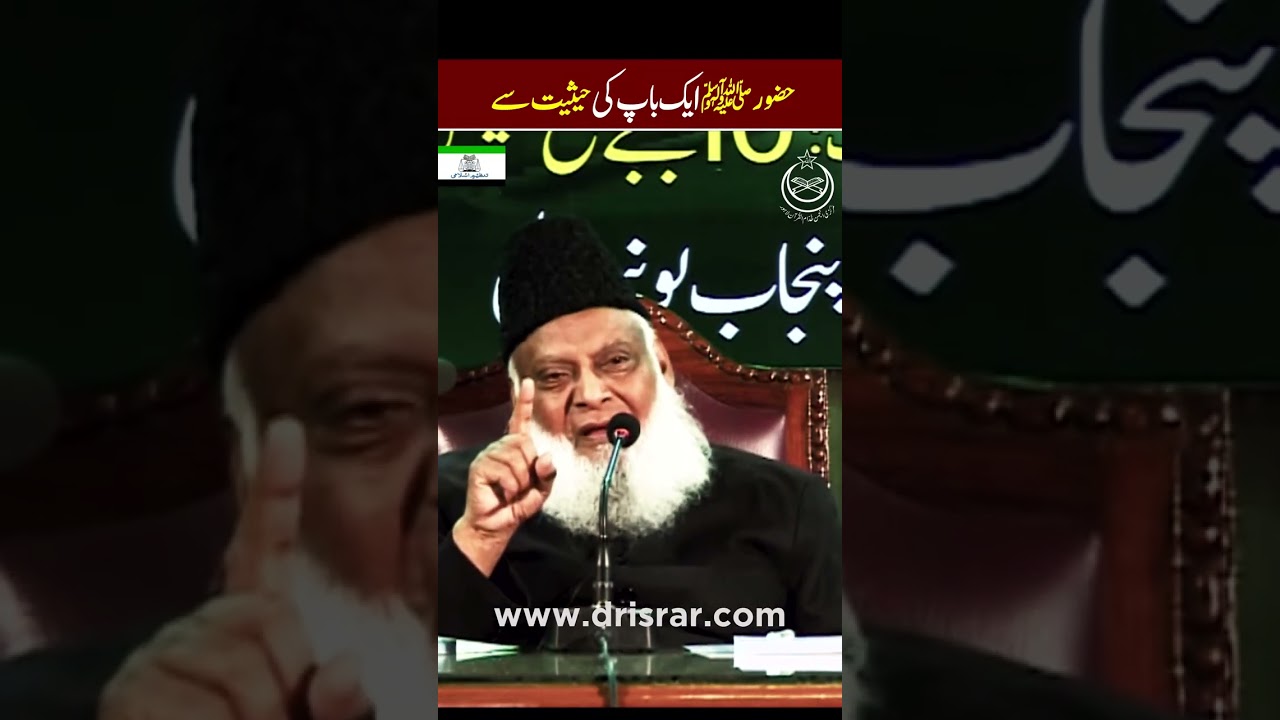
This lecture explores the life of Hazrat Fatima, the daughter of Prophet Muhammad (peace be upon him), highlighting her sacrifices, devotion, and the hardships she endured. It delves into her relationship with her father, her role as a mother, and the challenges faced by the early Muslims. The speaker emphasizes Fatima’s piety, patience, and her exemplary character as a role model for all believers. The discussion also touches upon the material possessions and worldly comforts, contrasting them with spiritual values and the importance of remembrance of Allah after every prayer.
93

The Quran, as divine speech, reflects the complete personality of its speaker – Allah. The eloquence and depth of language reveal the speaker's knowledge, sophistication, and the heights of their thought. It is a complete representation of divine attributes, offering insight into Allah’s characteristics, wisdom, and the breadth of divine understanding. The very nature of speech embodies the speaker’s status, intellect, and the scope of their perception. Consequently, the Quran serves as a perfect manifestation of Allah’s complete personality and attributes.
87
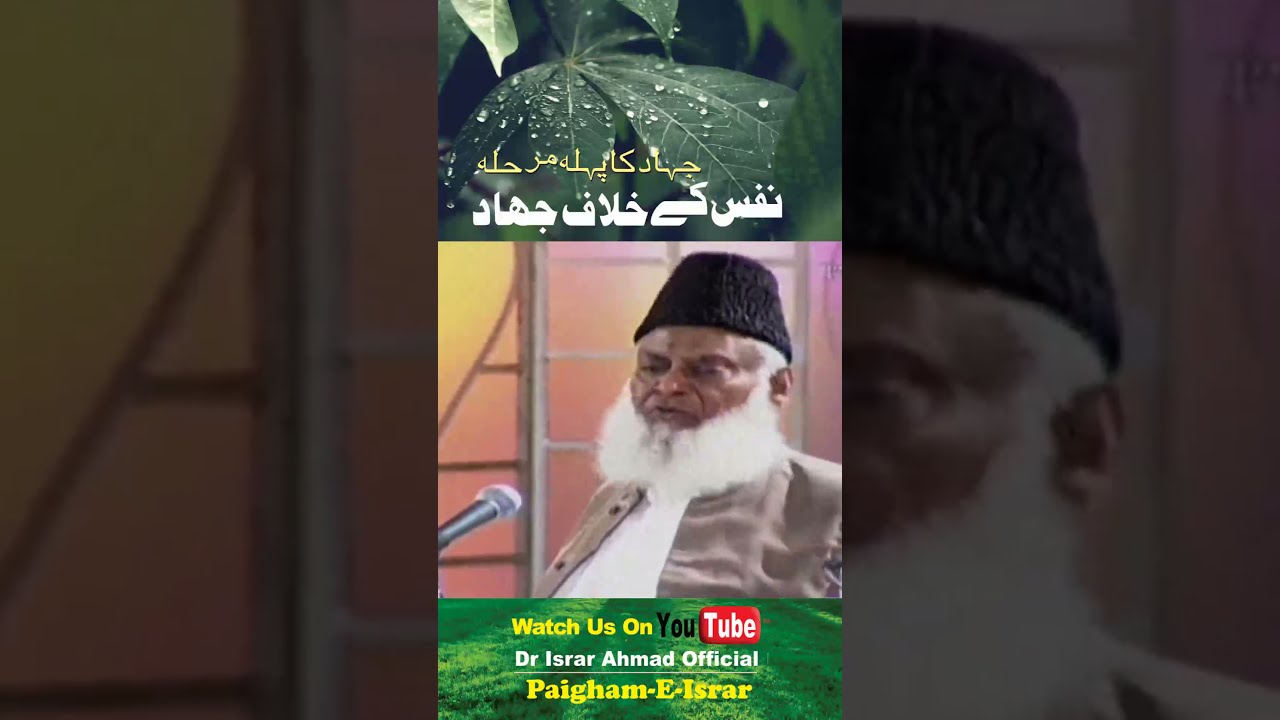
Mawla Rumi compares the human self to Pharaoh, highlighting its potential for arrogance and self-deification. While Pharaoh possessed power and proclaimed divinity, the human self often harbors similar inclinations internally, lacking external force but maintaining an internal sense of dominion. True struggle, as emphasized by the Prophet Muhammad (peace be upon him), lies in conquering this inner enemy – the self. This internal jihad, the struggle against one's desires and ego, is the foundation for all other righteous endeavors and the path to becoming a true servant of God.
74
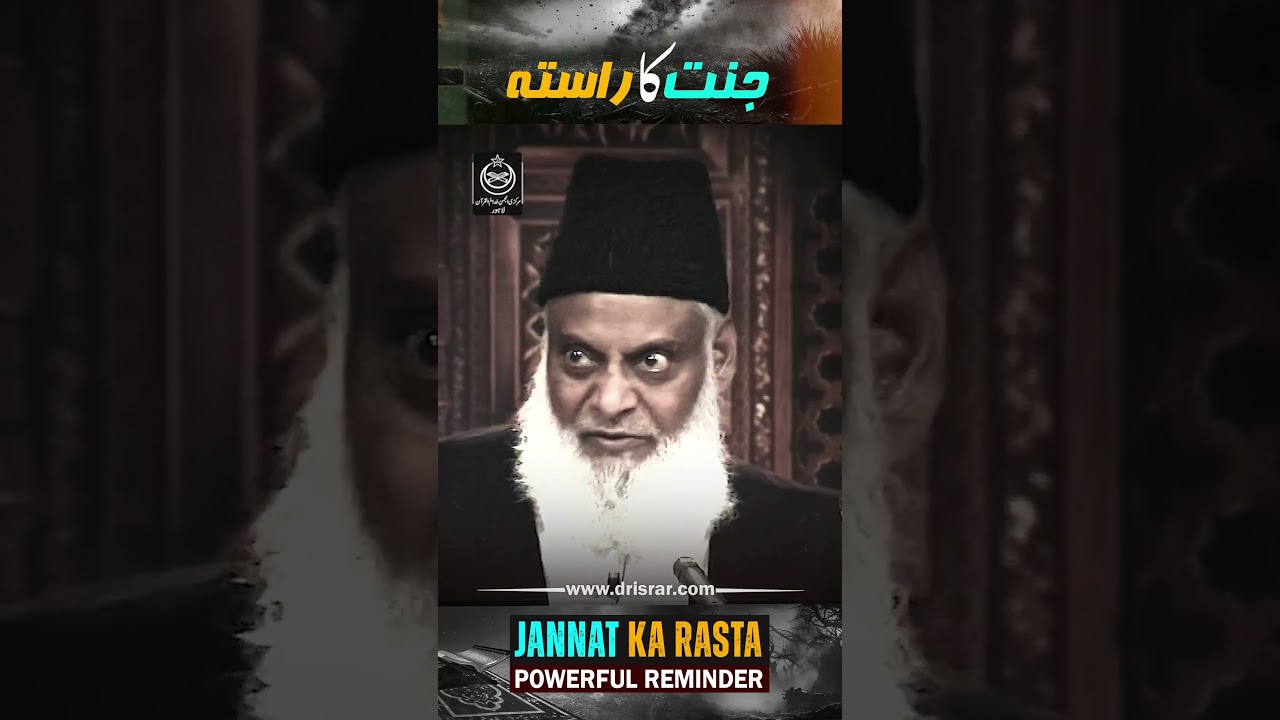
Dr. Israr Ahmad explains that attaining paradise is not achieved through ease and comfort, but through overcoming significant challenges and hardships. He describes paradise as being surrounded by difficult and frightening obstacles—a perilous wilderness filled with dangers. Successfully navigating these trials is essential to reaching paradise. The speaker uses poetic imagery to illustrate that the path to paradise demands endurance and perseverance, requiring one to traverse a difficult and thorny road. True reward awaits those who endure these hardships.
71

This lecture discusses the proper method of offering advice to fellow Muslims. It emphasizes that correction should be done privately and with good intentions, focusing on helping the individual improve without causing public embarrassment or damaging their reputation. The speaker stresses the importance of Muslims acting as mirrors for one another, gently pointing out flaws with the aim of betterment, not humiliation. The core principle is to offer guidance with sincerity and a desire for the other person’s well-being, fostering a supportive and constructive environment.
63
