শর্টস

Every action, no matter how small or large, is recorded in the knowledge of Allah. Each word uttered is also within His awareness. Therefore, even the weight of an atom of good will be witnessed, and similarly, the weight of an atom of evil will also be seen. This emphasizes complete accountability for all deeds, encouraging mindful action and discouraging wrongdoing.

71
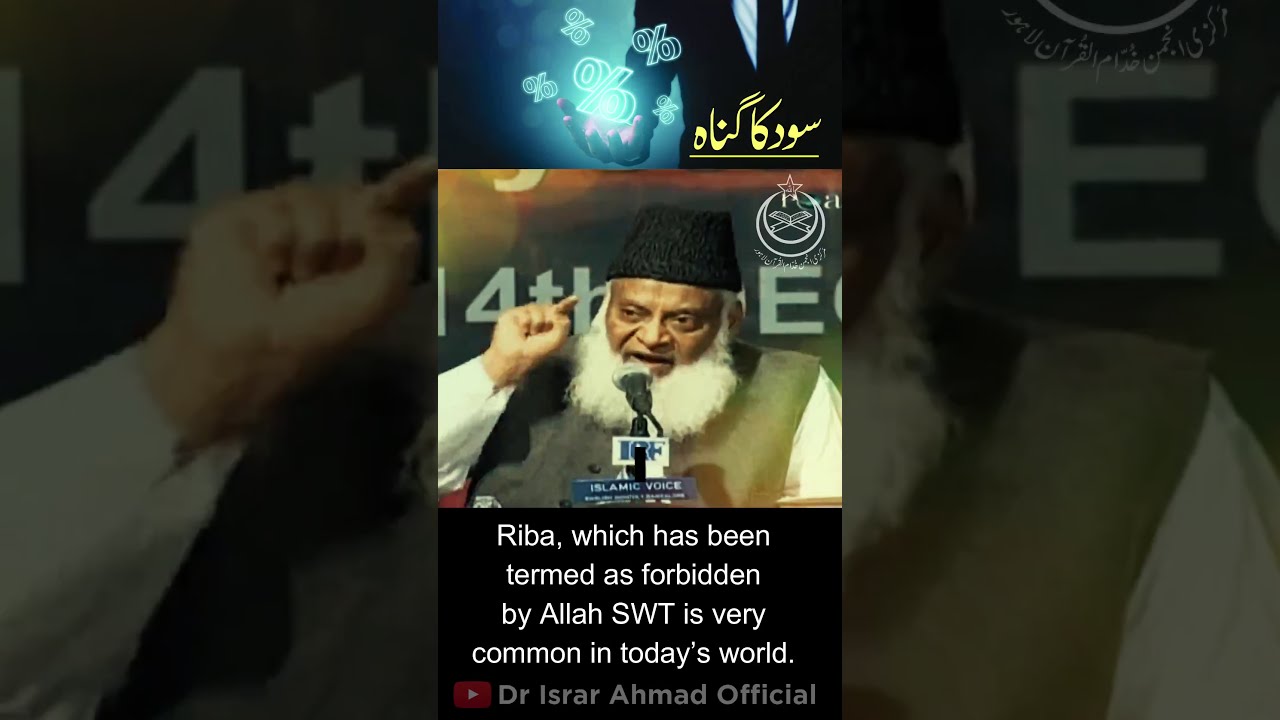
This lecture details the severe consequences of earning through unlawful means, emphasizing that interest (riba) is strictly forbidden in Islam. The speaker explains that persistent engagement in such practices leads to divine wrath and ultimately, eternal punishment in hellfire. The lecture highlights that even a single, sustained sin can envelop a person, leading to irreversible spiritual damage. It serves as a stark warning against making unlawful earning a regular part of one's life and encourages seeking halal (lawful) sources of income.
104

This lecture clarifies the concept of *shirk* (associating partners with God) as a profound injustice. It explains that *shirk* manifests in two ways: diminishing God's supreme status to the level of creation, or elevating a creation to the level of God. Both forms are described as a grave transgression and a significant injustice, as they displace something from its rightful place.
58

The Quran refers to Allah as 'Mawla'. Some people address respected scholars as 'Maulana' as a sign of reverence. This lecture clarifies that using the term 'Maulana' is not shirk (associating partners with God). The word 'Mawla' has multiple meanings: master, helper, and even a freed slave. It’s a term of respect, similar to addressing someone as 'my master', and its use is permissible. Both 'Maulana' (plural) and 'Maulvi' (singular) convey the same meaning: ‘our master.’ Showing respect to others is not an act of shirk.
67

This lecture details the performance of Eid al-Fitr prayers, specifically the additional *takbirat* (proclamations of greatness). The Hanafi school of thought prescribes six additional *takbirat*, while the Ahl-e-Hadith observe twelve. The speaker emphasizes performing these *takbirat* both on the way to and from the Eid prayer location, ideally using different routes to maximize the resonance of the divine proclamation throughout the community. The core message is a call to establish and defend the true faith through dedicated effort, sacrifice, and struggle, demonstrating gratitude for divine guidance. The lecture urges listeners to proclaim and uphold God’s sovereignty.
83

This video recounts an incident where Hazrat Ali’s armor was stolen and recovered from a Jewish man. Hazrat Ali, despite being the Caliph, appeared before the judge as a plaintiff. He corrected the judge for addressing him by his kunya (nickname) instead of his name, emphasizing that he was present as an ordinary litigant seeking justice, not as a figure of honor. When the Jewish man failed to produce valid witnesses beyond his son and slave, Hazrat Ali requested other witnesses. Upon failing to do so, the case was dismissed, leading the Jewish man to confess the theft. This highlights Hazrat Ali's commitment to justice and fairness, even when personally involved.
62
