Shorts

The core concept of *La Ilaha Illallah* is the absolute Oneness of God. It signifies that there is no deity worthy of worship except Allah. This declaration demands complete devotion and the recognition of Allah as the sole object of love, desire, and worship. True *Tawhid* (Oneness of God) necessitates that all other loves and desires are subordinate to the love of Allah, leaving no independent beloved except Him. The essence of *Tawhid* lies in recognizing Allah as the only true and ultimate beloved, stripping away all other competing affections.

94

Dr. Israr Ahmad explains that attaining paradise is not achieved through ease and comfort, but through overcoming significant challenges and hardships. He describes paradise as being surrounded by difficult and frightening obstacles—a perilous wilderness filled with dangers. Successfully navigating these trials is essential to reaching paradise. The speaker uses poetic imagery to illustrate that the path to paradise demands endurance and perseverance, requiring one to traverse a difficult and thorny road. True reward awaits those who endure these hardships.
71

True faith is demonstrated through actions motivated solely by devotion to God. Loving for God's sake and hating for God's sake are fundamental aspects of complete faith. Giving and withholding should also be done solely to please God, adhering to divine command. A believer’s love and animosity stem from adherence to or rejection of God’s principles, not personal desires. Fulfilling these four conditions – loving for God, hating for God, giving for God, and withholding for God – completes one’s faith.
68
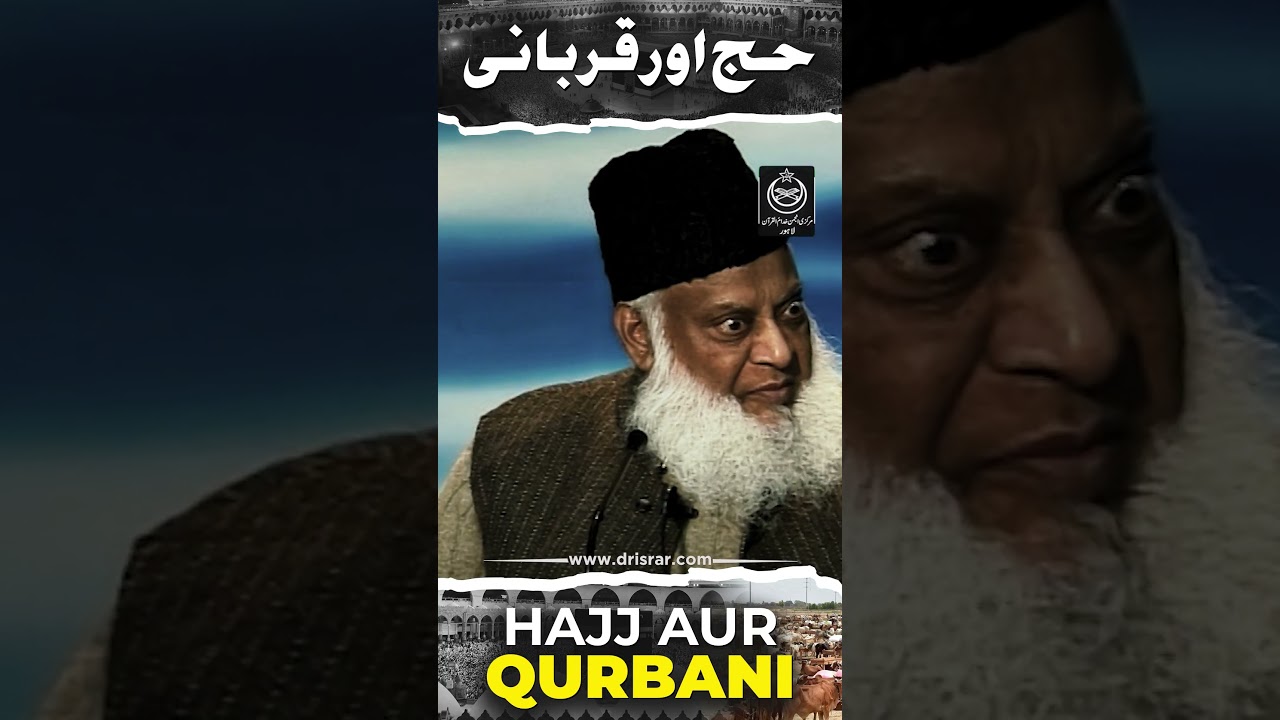
This lecture explains how Eid al-Adha, with its central practice of sacrifice, represents a broadening of the sacred experience of Hajj. The speaker highlights that while not everyone can physically perform Hajj, participating in the sacrifice of Eid al-Adha allows Muslims worldwide to share in that same spiritual objective. The discussion draws parallels between certain restrictions observed during Hajj and those followed during the days of sacrifice, noting similarities in ritual practices. The core idea presented is that Eid al-Adha extends the spirit of devotion and unity inherent in Hajj to all Muslims, regardless of their geographical location or ability to travel to Mecca.
70

This lecture addresses the dangers of linguistic and cultural biases, clarifying that regional, ethnic, and linguistic identities are not inherently sinful. It emphasizes that every culture and language has a right to flourish, provided any elements conflicting with Islamic teachings are removed. The lecture highlights the unique status of the Arabic language not due to its speakers, but because it is the language of the Quran and the sayings of the Prophet Muhammad, making its study essential for direct understanding of religious texts. It cautions against exclusionary attitudes based on language or culture, likening such behavior to a useless tool.
70

This lecture emphasizes the inseparable connection between faith and action. It asserts that a person who habitually breaks small promises is unlikely to fulfill larger, lifelong commitments. True faith and consistent action are intrinsically linked; one cannot exist without the other. The speaker highlights that faith without practical manifestation is incomplete, and consistent action without a foundation of faith is unsustainable. This bond is fundamental to a meaningful life and fulfilling one's purpose.
56
