Shorts

The core concept of *La Ilaha Illallah* is the absolute Oneness of God. It signifies that there is no deity worthy of worship except Allah. This declaration demands complete devotion and the recognition of Allah as the sole object of love, desire, and worship. True *Tawhid* (Oneness of God) necessitates that all other loves and desires are subordinate to the love of Allah, leaving no independent beloved except Him. The essence of *Tawhid* lies in recognizing Allah as the only true and ultimate beloved, stripping away all other competing affections.

94
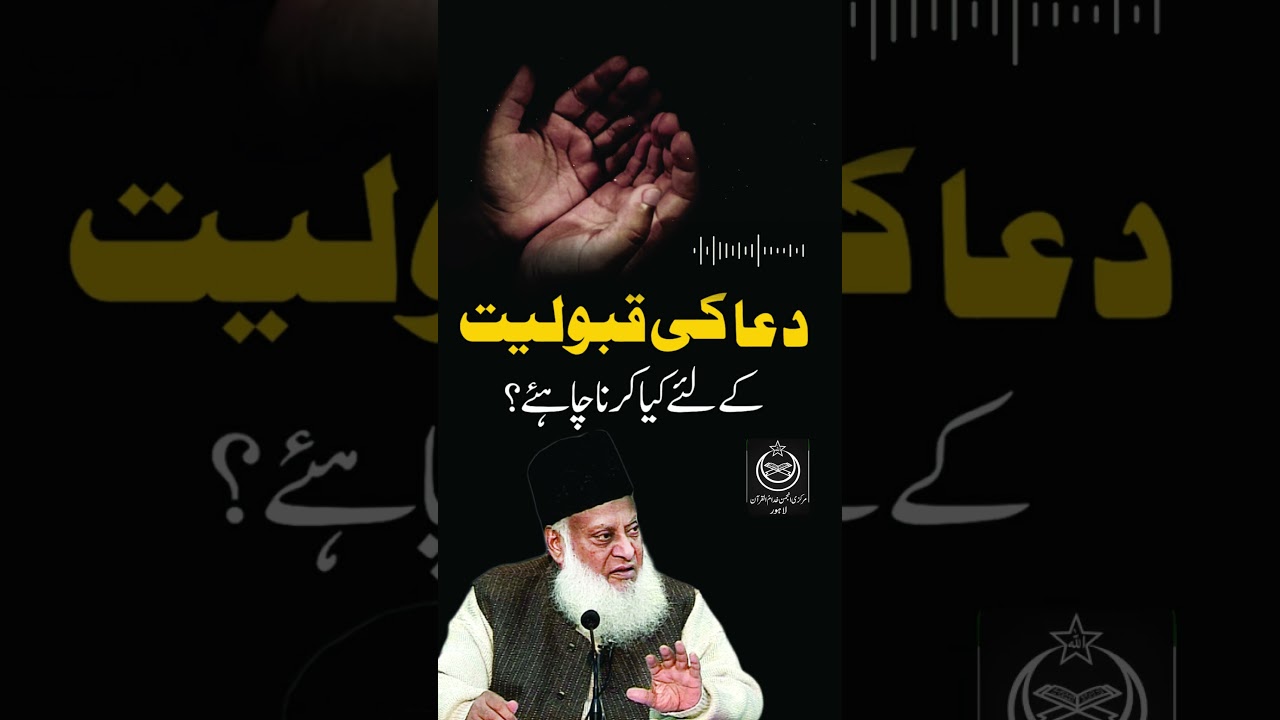
True acceptance of prayer hinges on sincerity and a faithful relationship with God. Dedicate time, resources, and abilities to the faith. Consistent good deeds and supplication are encouraged; there are no restrictions on making dua. Avoid bargaining with God or treating faith as a transaction. Focus on consistent righteousness and a genuine connection with the divine.
66

This lecture discusses the proper method of fasting, emphasizing avoiding unnecessary delay in breaking the fast (iftar) after sunset. It discourages rushing the pre-dawn meal (sehri) and highlights the importance of adhering to established timings. The speaker cautions against self-imposed restrictions and anxieties regarding fasting, urging a balanced approach rooted in piety. The discussion also touches upon the permissibility of eating or drinking during the call to prayer (azaan) before dawn.
117

Goodness is fundamentally linked to faith, not merely action. True goodness originates from an internal state of belief. Every act has both an external manifestation and an internal motivation. The core of a good deed lies in the intention behind it—the desire to please God and attain His blessings. Faith fosters both positive motivation to do good and negative motivation to avoid evil. Love for God and the fear of His punishment drive righteous behavior. Belief in the afterlife—heaven and hell—further strengthens these motivations, prompting individuals to seek reward and avoid condemnation. Thus, faith is the driving force behind genuine goodness and moral conduct.
60

This lecture explores the Prophet Muhammad’s (peace be upon him) acknowledgement of uncertainty regarding the timing of divine victory. The Quranic verses cited reveal that even the Prophet did not know whether the promised events were imminent or distant. This highlights a crucial understanding: knowledge of the unseen rests solely with God. The lecture emphasizes that such knowledge is not granted to even the most revered messengers, and that uncertainty about the future is a natural human condition. The verses also suggest that trials and tribulations may be part of the divine plan, serving as both tests and opportunities for growth. The core message is acceptance of divine will and a focus on present action rather than speculation about the future.
45

The lecture defines migration (Hajrat) not merely as physical relocation, but as abandoning anything displeasing to God. It outlines three levels: renouncing interest-based transactions, establishing modesty and privacy within the home, and ultimately, sacrificing all worldly possessions – even family – to uphold and defend the faith when facing persecution and conflict. This final level represents the highest form of migration, undertaken when actively striving to establish God’s law.
65
