Shorts

This lecture clarifies that the home of the hereafter is reserved for those who abstain from seeking power, dominance, or causing corruption on Earth. It emphasizes that this reward is specifically for the righteous, those who prioritize piety and fear of God. The ultimate outcome and blessings of the afterlife are exclusively for the God-conscious, who will experience lasting peace and fulfillment through divine grace. The lecture highlights that true success lies not in worldly achievements but in cultivating inner righteousness and striving for God's pleasure.

60

The Quraysh delegation arrived to Abu Talib during his final moments, issuing an ultimatum: control Muhammad or face open conflict. They didn’t seek wealth, power, or possessions, but demanded Muhammad cease his proclamation of One God. Abu Jahl immediately recognized the core issue – this message threatened the foundations of their entire belief system and the idols they worshipped. This bayān details the pivotal confrontation and the essence of the demand made against the Prophet Muhammad.
64

Supplication (du'a) should be directed solely to Allah. Seeking help from anyone other than Allah – be it prophets, messengers, angels, saints, or any created being – nullifies the act of worship. While seeking physical assistance within the natural laws of the world is permissible, requesting the unseen or miraculous from anyone besides Allah is strictly forbidden. True supplication involves asking Allah alone for all needs, both material and spiritual. Seeking aid from others in worldly matters is different from asking for the impossible or supernatural from anyone besides the Creator.
61

This lecture discusses the subtle forms of *shirk* (associating partners with God) that arise from prioritizing personal desires (*nafs*) over divine guidance. It explains how attachment to wealth and material possessions can become a form of idolatry, even while outwardly professing faith. The speaker emphasizes that true *tawheed* (monotheism) demands complete submission and obedience to God alone, rejecting any form of worship or devotion directed towards worldly things. The dangers of prioritizing wealth over ethical boundaries are highlighted, comparing this to the idolatry found in other religions. The core message is a call to purify worship and ensure that all actions are solely for the pleasure of God.
51
This reflection acknowledges the inevitability of setbacks and failures in life's endeavors. It encourages proactive preparation for hardship, framing success as a bonus rather than an expectation. The core message emphasizes continuous effort and resilience, even in the face of repeated disappointments. It advocates for persistent work, nurturing hope, and seeking divine assistance, recognizing that struggle is a constant companion to growth and progress. The text urges acceptance of life's cycles, suggesting that after every loss, preparation for the next beginning is essential.
48
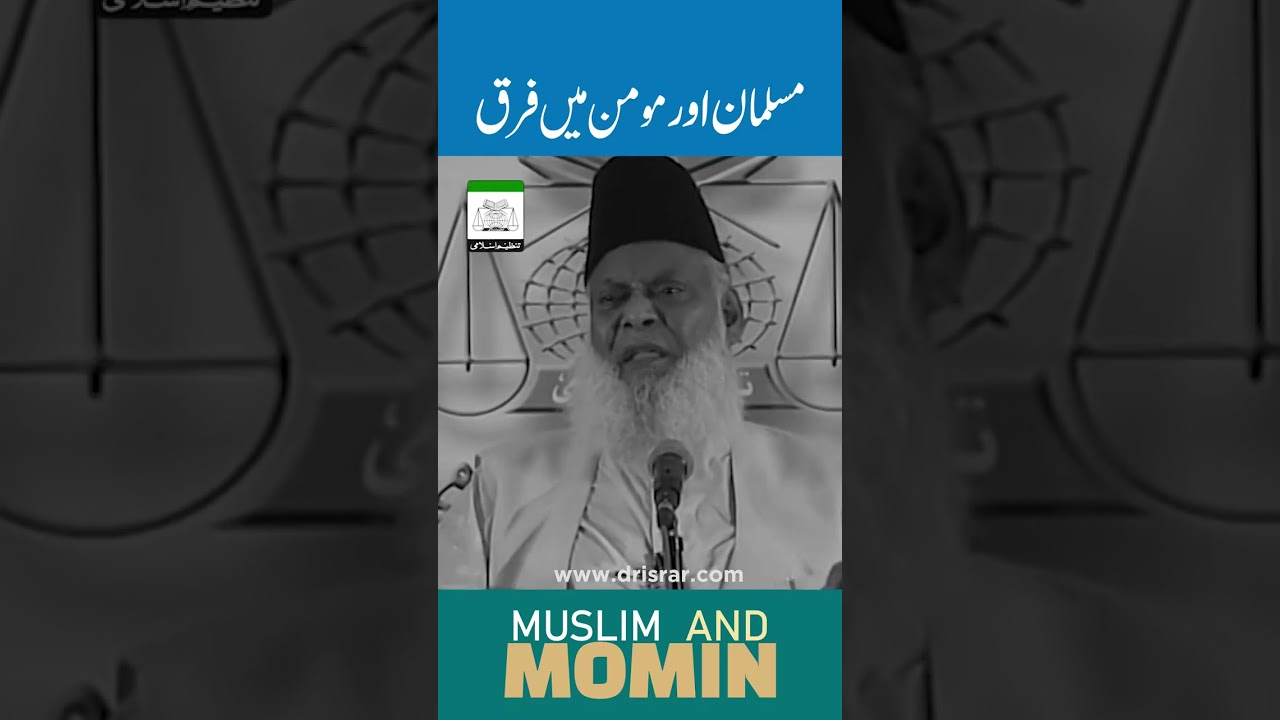
The lecture clarifies the distinction between being a Muslim and a true believer (Momin). Simply identifying as a Muslim based on lineage is insufficient; genuine faith requires complete submission to God and His Messenger, unwavering conviction, and active struggle in the path of God with both wealth and life. The speaker references Surah Al-Hujurat, verse 14, emphasizing that true faith enters the heart and is demonstrated through action, not merely claimed through words. Those who genuinely believe are those who strive in the way of Allah with their possessions and lives.
84
