Korte broek
This lecture clarifies that the home of the hereafter is reserved for those who abstain from seeking power, dominance, or causing corruption on Earth. It emphasizes that this reward is specifically for the righteous, those who prioritize piety and fear of God. The ultimate outcome and blessings of the afterlife are exclusively for the God-conscious, who will experience lasting peace and fulfillment through divine grace. The lecture highlights that true success lies not in worldly achievements but in cultivating inner righteousness and striving for God's pleasure.

60
Shirk, or associating partners with God, manifests differently across eras. The forms of shirk prevalent centuries ago are not necessarily identical to those of today. New forms of shirk emerge, requiring continuous discernment and intellectual insight. Without this insight, individuals may mistakenly label practices as shirk based on historical rulings, while failing to recognize contemporary expressions of shirk. The ability to identify and reject the shirk of one’s own time is crucial, as demonstrated by scholars like Ibn Taymiyyah, but recognizing *current* forms of shirk demands ongoing vigilance.
51
The Prophet Muhammad (peace be upon him) observed a group discussing the Quran, not in a formal lecture, but in a lively exchange. He inquired if they bore witness to the truth of the declaration: ‘There is no god but Allah, and I am His Messenger, and this Quran is from Allah.’ They affirmed their testimony. The Prophet then instructed them to rejoice, for the Quran is a treasure both in their hands and with Allah.
52
This lecture details the challenging events faced by the Prophet Muhammad (peace be upon him) during his visit to Taif. The incident at Taif proved more difficult than the Battle of Uhud due to the Prophet being alone with only Zaid ibn Harithah for protection. The people of Taif pelted the Prophet with stones, causing injury and humiliation. Zaid ibn Harithah bravely shielded the Prophet, sacrificing himself to protect him from the attack. This event highlights the Prophet’s resilience and the unwavering loyalty of his companions.
81
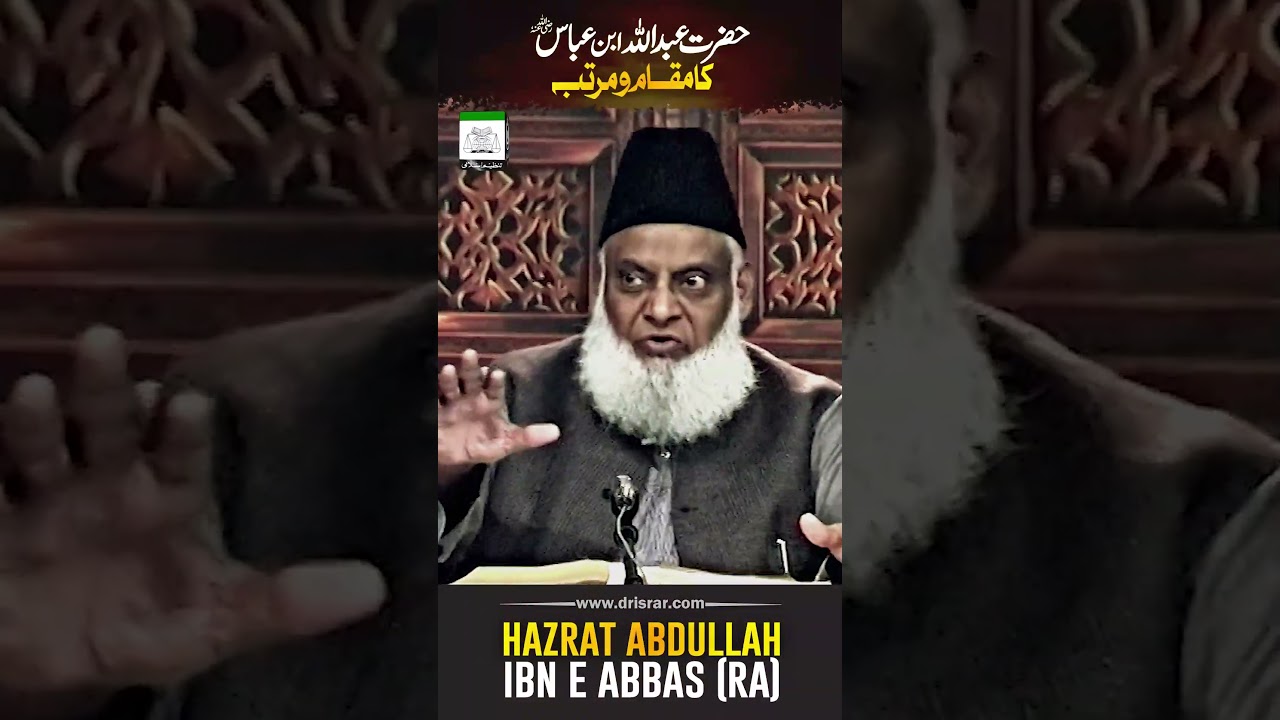
This lecture discusses the profound knowledge of Quranic interpretation possessed by Hazrat Abdullah Ibn Abbas, a prominent companion of the Prophet Muhammad. He received special prayers from the Prophet for understanding of religion and deep comprehension of the Quran. Abdullah Ibn Abbas is considered a leading authority on Tafsir, with a significant number of narrations attributed to him through his students like Mujahid and Ikramah. The term 'Habr', meaning a highly knowledgeable scholar, is explained in relation to his status as 'Habr al-Ummah', the scholar of the Muslim community. The lecture also clarifies the origin of the term 'Habr' and its historical context regarding scholars of other faiths.
102
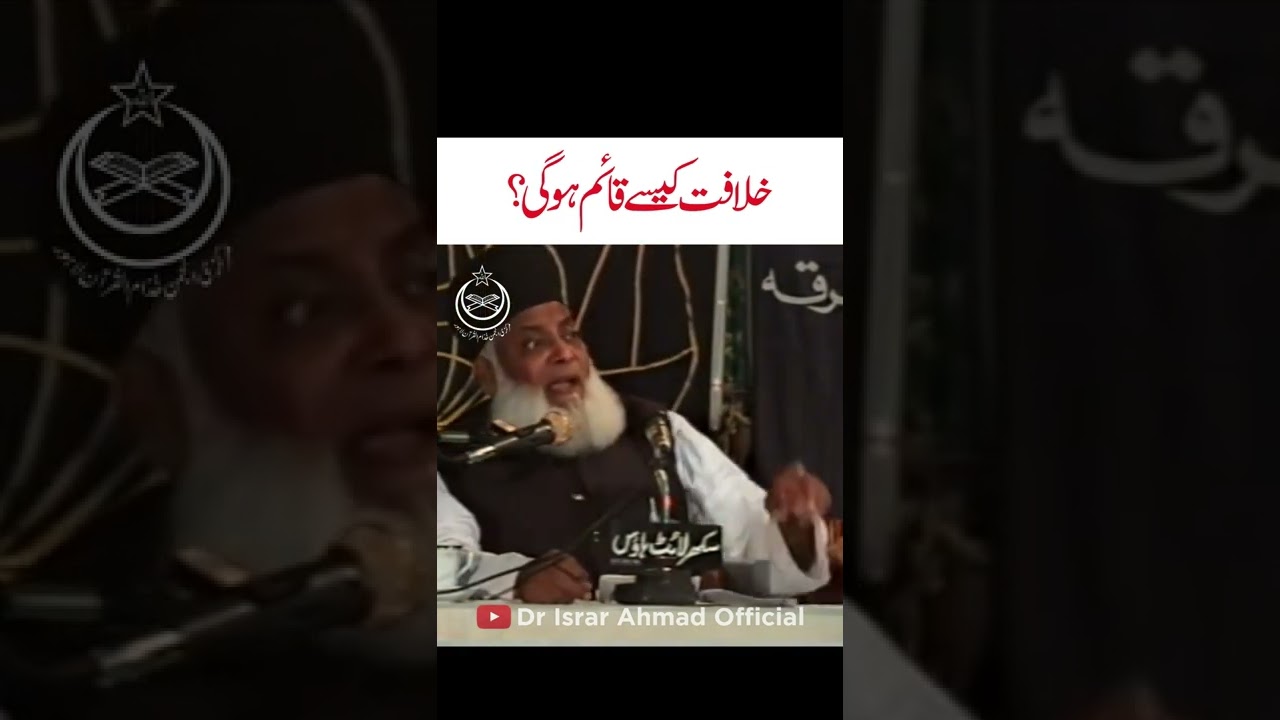
Dr. Israr Ahmad discusses the future establishment of a global caliphate rooted in the prophetic tradition. He references prophecies indicating a time when the message of Islam will permeate every corner of the earth, reaching all of humanity. He describes a vision where no home or dwelling will remain untouched by the teachings of Islam, and that his community will govern the entirety of the earth, having witnessed its eastern and western reaches in a divine revelation.
82
