Shorts
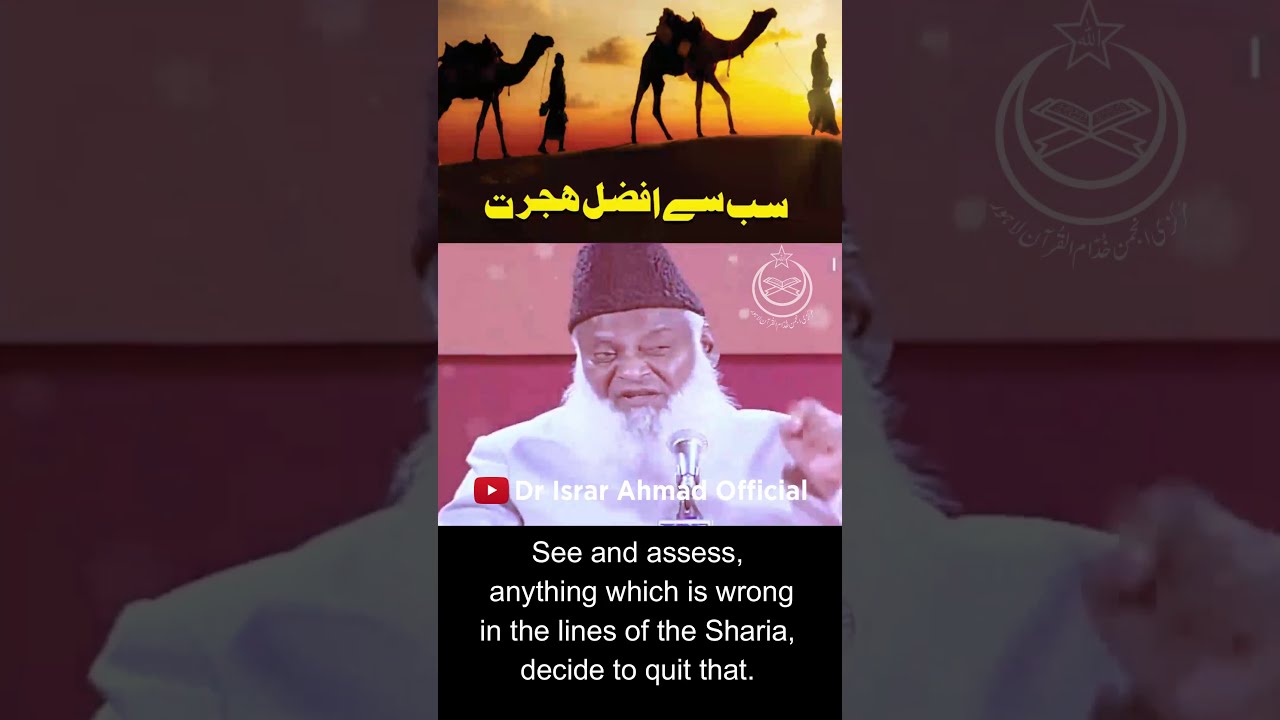
The Prophet Muhammad (peace be upon him) was asked about the most virtuous form of migration. He responded by emphasizing the abandonment of everything displeasing to God. This necessitates a self-assessment to identify and eliminate harmful practices and beliefs, aligning one's life with the spirit of Islamic law. This is the true beginning of migration – an internal purification and commitment to righteous conduct.

79
True well-wishing stems from sincerity and a genuine desire for another’s betterment. It requires approaching someone lost in ignorance or error with compassion, not arrogance or intellectual superiority. Effective guidance involves embodying the principles you preach; hypocrisy renders your message ineffective. Genuine concern means prioritizing the other person’s well-being and acting with consistency between words and deeds. Those who command good but fail to practice it themselves contradict their own message and discredit their efforts. True guidance requires internalizing the principles you advocate.
66
Hazrat Abu Bakr, may Allah be pleased with him, frequently expressed a profound anxiety about the Day of Judgement. He wished he could be a bird, free from accountability, or a blade of grass, consumed and finished. This sentiment echoes a verse in Surah Al-Imran where disbelievers express a wish to be dust rather than face judgement. The lecture highlights the tragic reality of human existence when disconnected from faith, emphasizing the immense responsibility and potential loss inherent in being human.
71
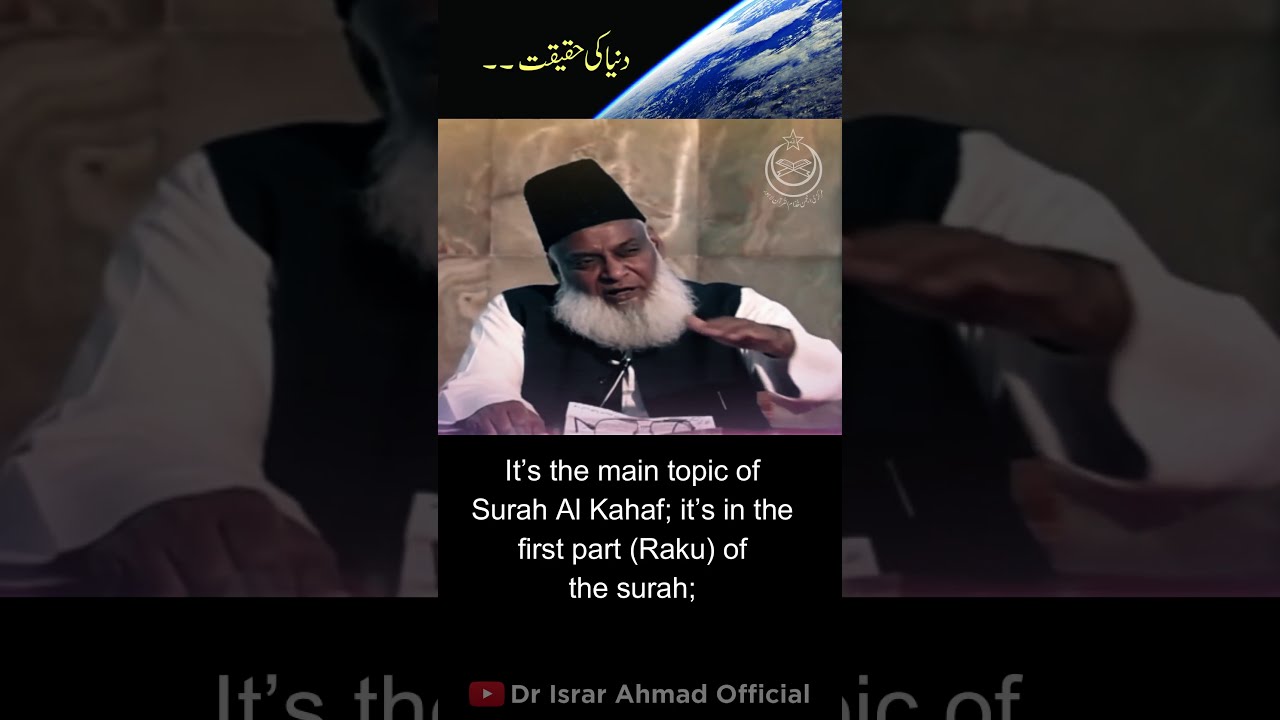
This lecture emphasizes the importance of mastering the world rather than being mastered by it. It explores the concept that worldly possessions, though beautiful, are ultimately tests designed to distract from true devotion to God. The speaker warns against becoming consumed by material pursuits and losing sight of spiritual priorities. True love and fulfillment are found in a connection with the Divine, not in the fleeting allure of worldly attractions. The core message is to remain steadfast in faith and avoid being captivated by the superficial beauty of the world.
71
Life is a continuous progression towards death, with each heartbeat bringing us closer to our graves. The value of time is paramount, and the heart should be refined and improved with every passing moment. This lecture emphasizes the importance of recognizing life’s fleeting nature and striving for spiritual betterment. It underscores that improving oneself – refining the heart – is the most valuable use of the time we are given, as time itself is constantly moving towards its inevitable conclusion. Each beat of the heart is a reminder of our mortality and an opportunity for self-improvement.
51
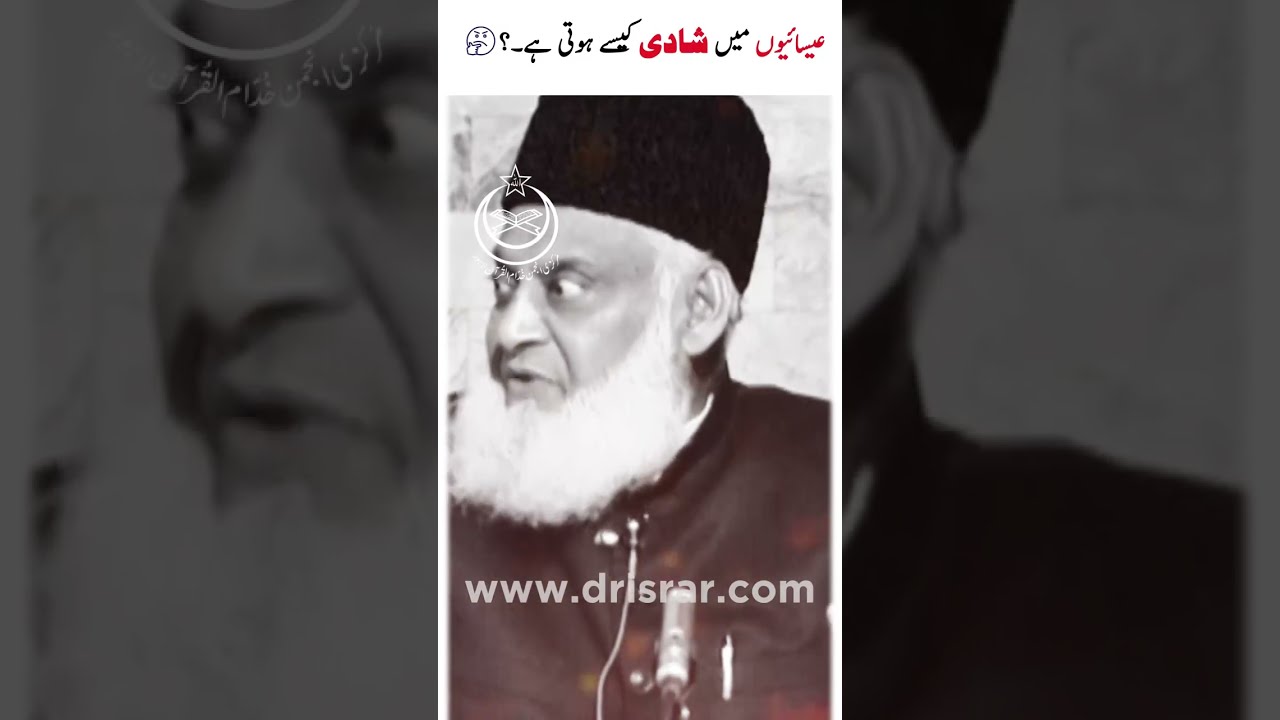
Dr. Israr Ahmad discusses the differences between Christian and Islamic marriage ceremonies. He highlights that in Christian weddings, the bride and groom stand face-to-face before the priest, openly professing their acceptance of each other. This contrasts with the Islamic practice where the bride and groom often remain somewhat secluded during the Nikah. He observes the respect afforded to the church and the priest within the Christian tradition, and contrasts this with the often-devalued position of the Imam or Nikah officiant in some Muslim communities. The lecture emphasizes the importance of dignity and reverence in religious practices.
74
