Korte broek
The Prophet Muhammad (peace be upon him) was asked about the most virtuous form of migration. He responded by emphasizing the abandonment of everything displeasing to God. This necessitates a self-assessment to identify and eliminate harmful practices and beliefs, aligning one's life with the spirit of Islamic law. This is the true beginning of migration – an internal purification and commitment to righteous conduct.

79
This lecture explores the concept of free will and its implications. Humans experience freedom in this world, but are accountable for their actions. The material laws of this world do not immediately punish wrongdoing, creating a false sense of impunity. However, the ultimate return is to God, where every deed, no matter how small, will be accounted for. Those who perform even a speck of good will find it before them, and those who commit even a speck of evil will also face its consequences. This emphasizes divine accountability and the importance of righteous conduct despite the apparent lack of immediate consequences.
62

This lecture explores the concept of choosing a difficult, less-traveled path in life as opposed to a broad, popular one. It emphasizes that while the narrow path may be challenging, it ultimately leads to spaciousness and fulfillment. The speaker warns against following the majority who often lead to hardship and emphasizes the importance of choosing a path aligned with spiritual growth and lasting peace. It highlights that true progress lies in embracing difficulty and choosing the less-conventional route.
59
This lecture emphasizes the importance of engaging in reasoned discourse (majadala) rather than mere argument. It stresses responding to opposing viewpoints with wisdom and politeness, aiming to silence them through compelling logic, not aggression. Maintaining a high moral standard during debate is crucial; avoid insults, vulgar language, and descending to their level. Respect for opponents’ beliefs is paramount, even while presenting a counter-argument. The speaker highlights the necessity of engaging with wisdom and good conduct to effectively convey one’s message and positively influence others.
65
Salvation is not attainable through personal effort alone; it is contingent upon divine mercy, as all humans are prone to error. The Quranic verse emphasizes that while everyone makes mistakes, the best among them are those who sincerely repent. Achieving God’s mercy requires faith, righteous deeds, patience, and striving towards truth. It is a believer’s duty to exert their utmost effort in seeking divine favor, recognizing that ultimate salvation rests solely with God.
56
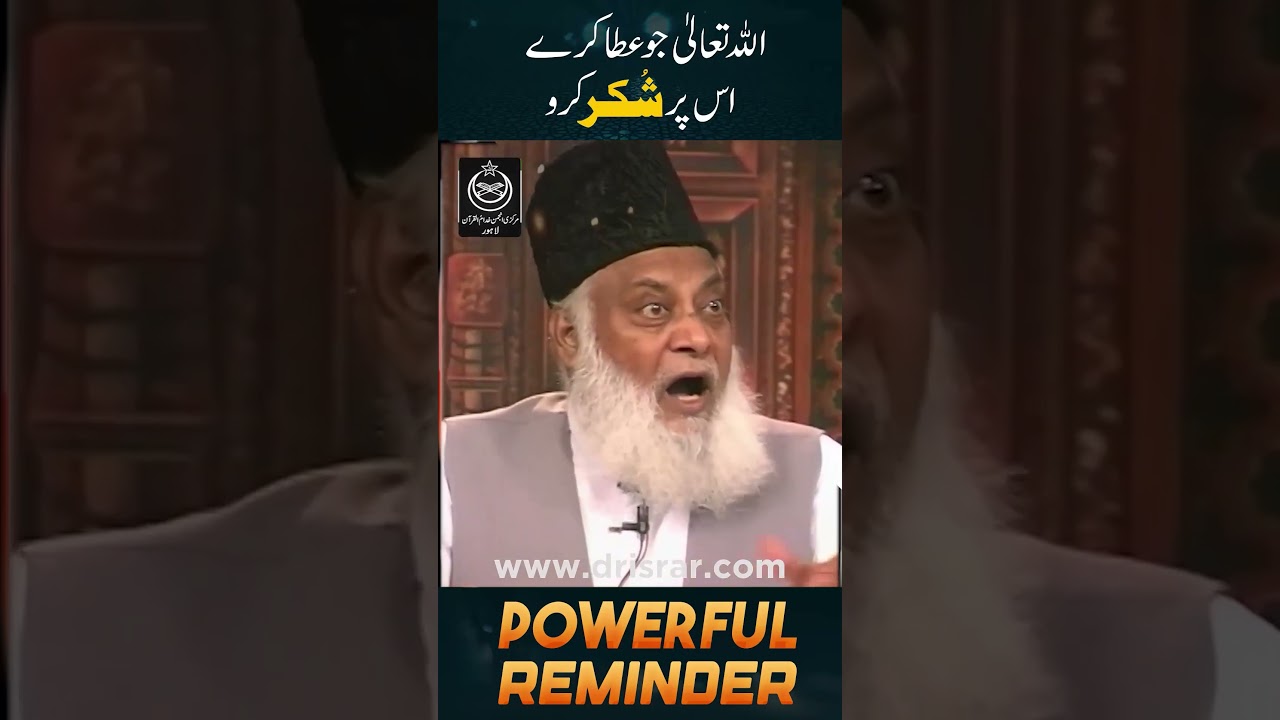
Those close to God experience no fear or grief. Fear stems from what God wills, and even seemingly undesirable events contain hidden benefits. The Quran highlights that what we dislike may be good, and what we desire may be harmful, as God’s knowledge surpasses our own. We perceive only the outward appearance of actions and events, unaware of the divine intention and wisdom behind them. Our vision is limited; we cannot comprehend the ultimate purpose of God. Therefore, we are easily affected by superficial occurrences. True understanding lies in recognizing God’s overarching plan, which remains beyond our immediate perception.
57
