Kurze Hose

This lecture explains that accountability for evil deeds is direct and proportionate to the harm caused. Conversely, the acceptance of good deeds is contingent upon faith—belief in God, the Day of Judgement, angels, scriptures, and prophets. Giving to relatives, orphans, and the needy are also emphasized as integral aspects of righteous conduct. True piety isn’t merely outward displays of devotion, but sincere belief and action rooted in faith. The core message stresses that actions are judged based on intention and belief.

61
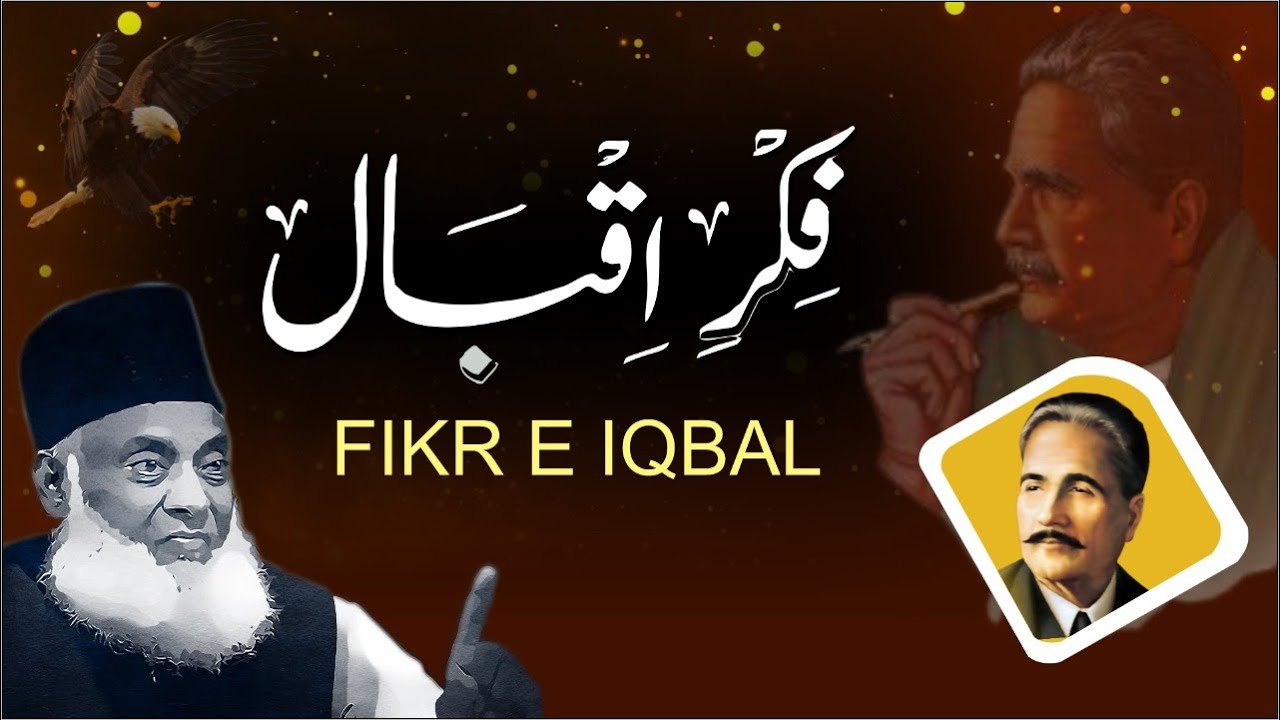
Iqbal critically analyzed modern ideologies, identifying inherent dangers within them. He particularly opposed nationalism (wataniyat) as a political concept, viewing it as a new form of idolatry that overshadows faith. He contrasted the spiritual unity of Islam with the divisive nature of national identities. Iqbal saw secularism and nationalism as major threats—forms of shirk (polytheism) and kufr (disbelief)—and materialism as the defining characteristic of contemporary civilization. He argued that true strength lies in adhering to the principles of Tawhid (Oneness of God) and embracing Islam as a complete way of life.
75

This lecture emphasizes the importance of respectful communication among believers. It advises maintaining polite language even when responding to rudeness, avoiding mirroring negative behaviors, and prioritizing peaceful interactions. The speaker highlights Satan's intent to sow discord and animosity, urging listeners to counter this by fostering kindness and understanding. Maintaining a gentle demeanor, even in the face of provocation, is presented as a crucial aspect of Islamic ethics and a safeguard against conflict. This promotes building harmonious relationships and strengthening the Muslim community.
53

The Prophet Muhammad (peace be upon him) stated that Allah showed him the entire Earth, its east and west. This revelation signifies that the influence and dominion of his community will eventually extend to all corners of the world. A further hadith indicates that no dwelling or nomadic settlement will remain where the message of Islam does not enter. This can happen either through acceptance of Islam by its inhabitants or through their submission to its principles. This lecture explores the implications of these prophecies for the future of Islam and its global reach.
69

This lecture emphasizes the importance of meticulously documenting all religious transactions, regardless of their size. It stresses the necessity of immediate recording to ensure transparency, accountability, and legal validity. The speaker highlights that delaying documentation can lead to disputes and invalidates the transaction. This practice aligns with Sharia law and promotes fairness and justice. It also reinforces the reliability of testimony and safeguards future dealings. This recording is essential for both small and large matters, aligning with principles of speed, justice, and sound testimony.
50

The central theme of the Quran is faith in the unseen, encompassing knowledge of the metaphysical realm beyond sensory perception. This knowledge, revealed through Muhammad, forms the foundation of true understanding. The Quran provides guidance on both spiritual beliefs and practical life, addressing societal, economic, and personal conduct. It delineates permissible and forbidden actions, offering a comprehensive framework for a balanced and righteous life. This lecture clarifies that the Quran’s core message isn't simply a list of do's and don'ts, but a holistic system of belief and practice.
61
