شارٹس
Dr. Israr Ahmad explains that a prayer is not accepted if the individual’s sustenance, clothing, and even physical being are derived from unlawful sources. He emphasizes that prayers offered while burdened with sin and sustained by illicit means will not reach God. The lecture details how a person’s entire existence must be purified and aligned with righteousness for their supplications to be answered. The speaker highlights the importance of earning lawful livelihood and abstaining from unlawful sources to ensure the acceptance of prayers.

61
A person deeply entrenched in sin and prejudice experiences a dimming of their inherent spiritual nature. The path to reformation begins with understanding their beliefs and misconceptions. Purification of thought, focusing on the principles of Tawhid (Oneness of God), accountability, and Prophethood, is paramount. Once faith takes root in the heart and mind, negative habits and character flaws will naturally diminish. This process, known as Tazkiya, prioritizes intellectual purification as a precursor to moral refinement.
59
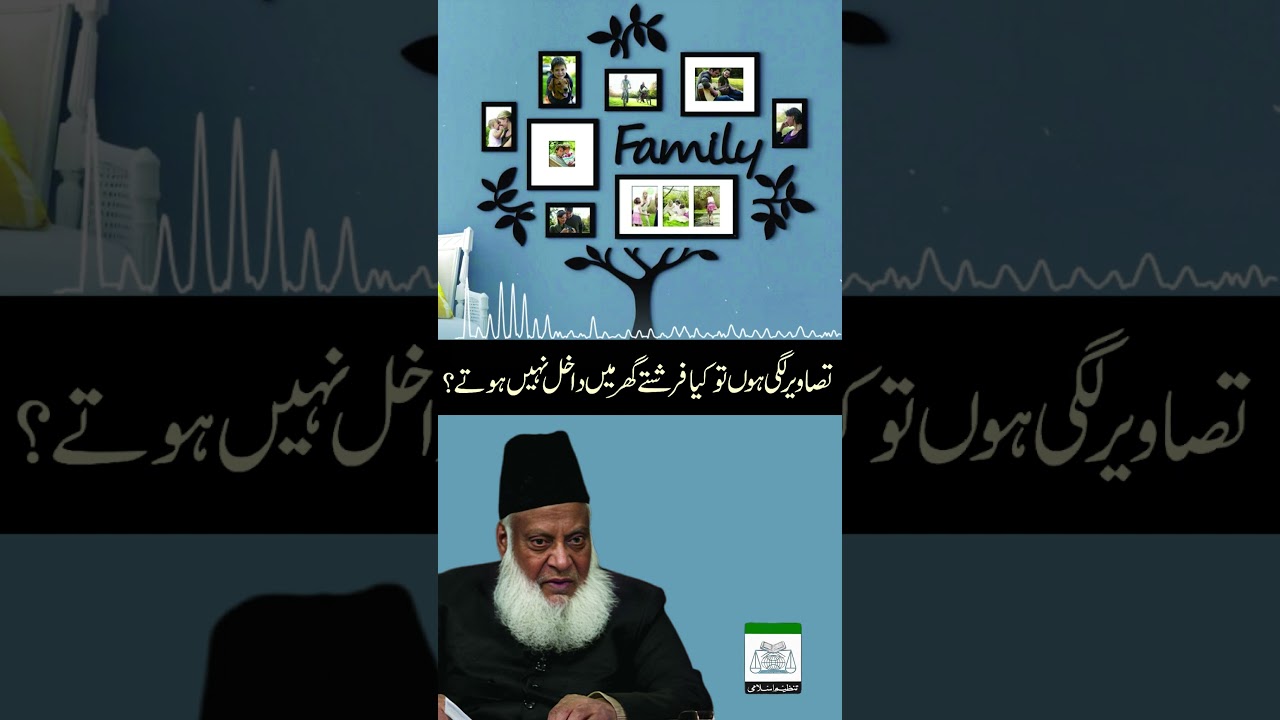
The presence of photographs within a home prevents angels from entering. This impacts the spiritual well-being of all inhabitants, hindering their worship. While angels of mercy refrain from entering homes displaying images, recording angels remain present. The prohibition stems from a divine disapproval of pictorial representations, serving as an expression of displeasure. The issue is one of religious preference, not a strict legal matter. Displaying pictures is discouraged, but not considered a fatal flaw in faith.
86
The Quran is presented as the primary miracle of the Prophet Muhammad (peace be upon him). Its greatest miracle in the modern world is its demonstrated ability to instigate a monumental revolution in human history, establishing a just system. This entire process operates through the message of the Quran, emphasizing its role as the foundation of transformative change and a call to action through its teachings.
345

The text details the events of the Battle of Karbala. Twenty families from the Banu Hashim clan fought bravely alongside Imam Hussain, sacrificing their lives. The battle saw intense fighting, with many from the Banu Hashim martyred. A young child of Imam Hussain was also among the martyrs. All male members of Imam Hussain's household were killed except for his son, Ali Zayn al-Abidin, who was ill and unable to participate. This occurred in 61 AH, exactly fifty years after the passing of the Prophet Muhammad.
92
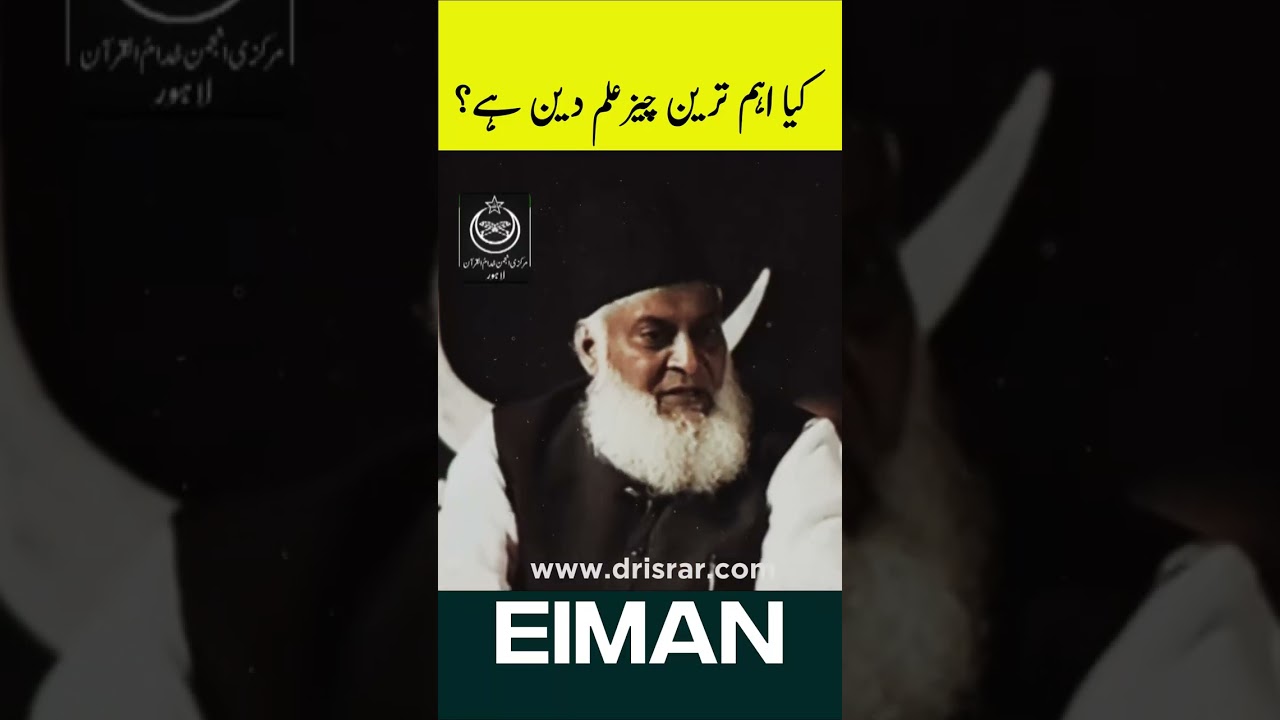
The most crucial element is religious knowledge. Despite an abundance of information and scholars today, a deficiency exists not in knowledge itself, but in conviction, faith, and—most importantly—deep understanding and application (fiqh). Mere accumulation of facts without insightful comprehension holds little value. The core issue isn’t a lack of information, but a lack of faith, certainty, and the ability to derive practical wisdom from knowledge.
71
