Corti
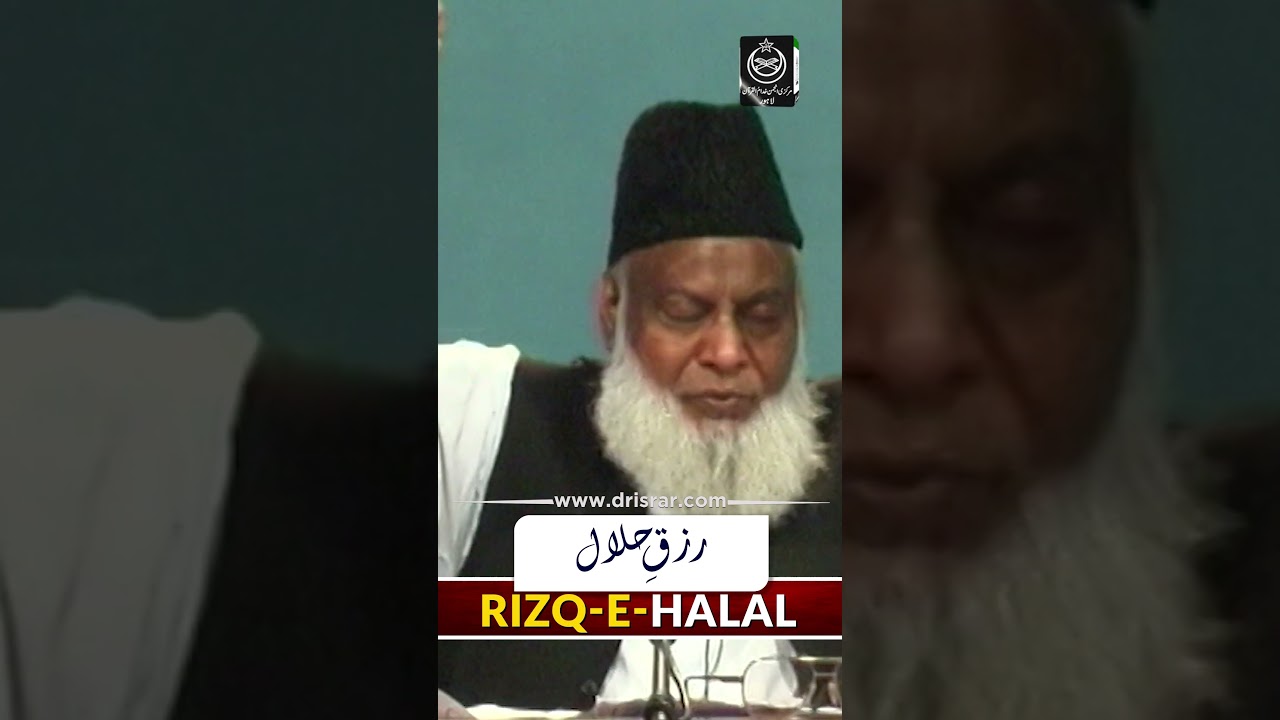
Dr. Israr Ahmad explains that a prayer is not accepted if the individual’s sustenance, clothing, and even physical being are derived from unlawful sources. He emphasizes that prayers offered while burdened with sin and sustained by illicit means will not reach God. The lecture details how a person’s entire existence must be purified and aligned with righteousness for their supplications to be answered. The speaker highlights the importance of earning lawful livelihood and abstaining from unlawful sources to ensure the acceptance of prayers.

61
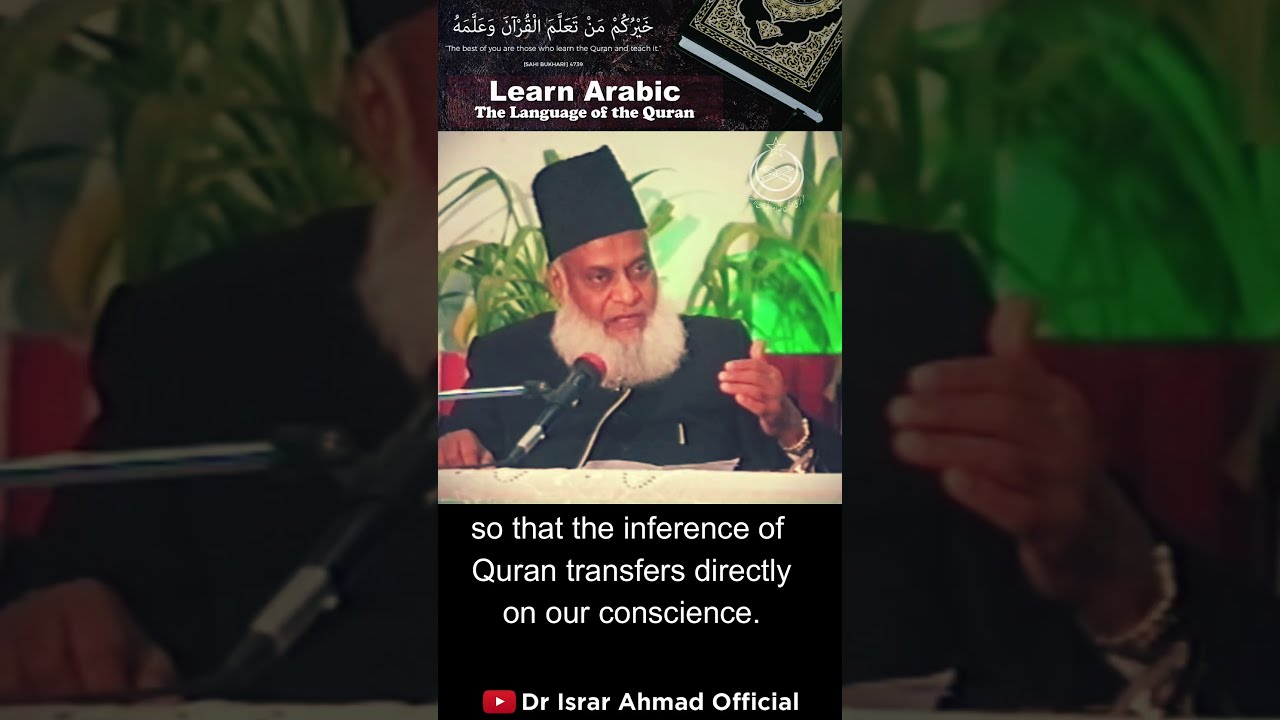
The Urdu language shares a profound connection with Arabic, extending beyond mere vocabulary. The script itself originates from Arabic, and numerous grammatical structures and lexical items are directly borrowed. This linguistic kinship makes learning Arabic particularly advantageous for Urdu speakers, facilitating a deeper understanding of religious texts like the Quran. Despite this inherent connection, sufficient effort hasn’t been directed towards mastering Arabic to directly grasp the Quran’s meaning. The speaker emphasizes the pervasive presence of Arabic-derived words in everyday Urdu speech, highlighting a missed opportunity for intellectual and spiritual enrichment.
63
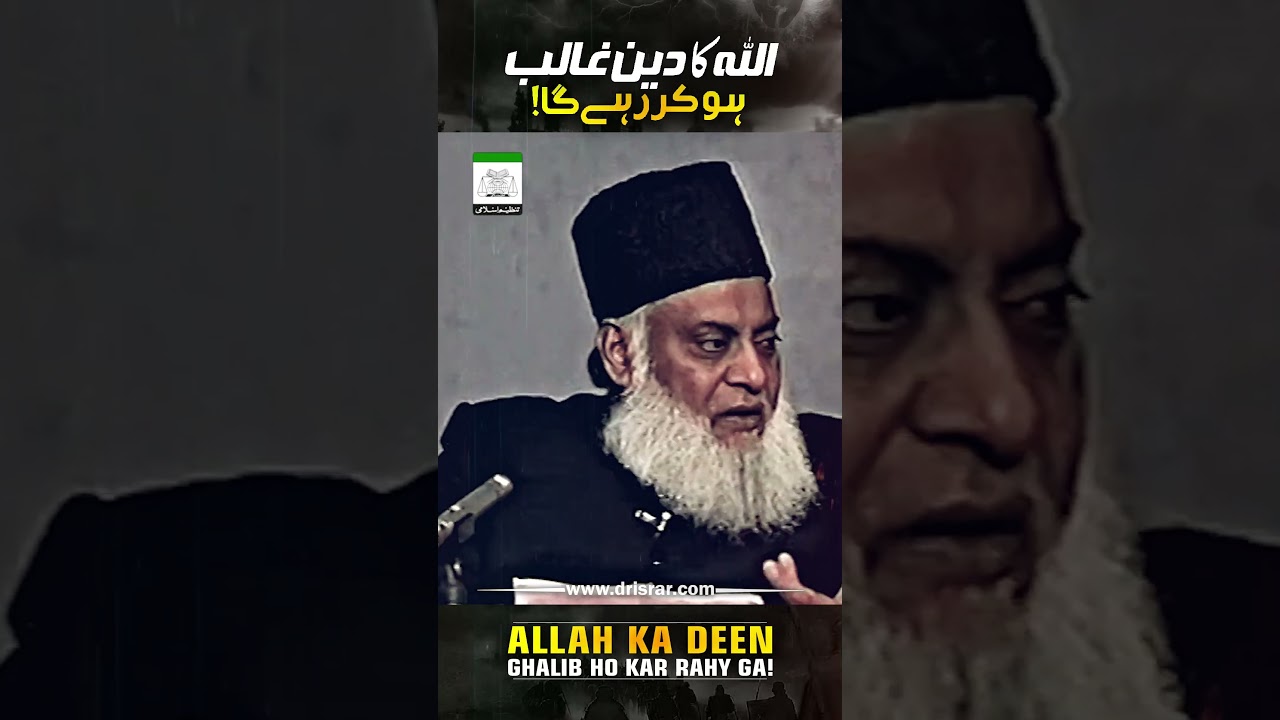
Before the Day of Judgement, Islam will prevail globally because it fulfills the purpose of Muhammad, the Messenger of God. This triumph is essential to completing the divine mission entrusted to him – to establish the dominance of faith across all of humanity. Until Islam is globally dominant, the ultimate purpose remains unfulfilled. This is a call to action, emphasizing that the work of spreading the message of Tawhid (Oneness of God) is ongoing. The Prophet Muhammad (peace be upon him) foretold this prevalence, echoing the sentiment expressed by Iqbal that the source of strength lies within one’s homeland and faith.
56

True justice originates from God. The inherent system He established is fundamentally just. As loyal servants, it is our responsibility to uphold and implement this divine system. This requires a firm and unwavering stance for justice, utilizing all available resources and strength. This is not merely a response to societal turmoil, but a demand of our devotion to God. It necessitates standing as witnesses to His faith, embodying justice and fairness in all actions, and actively championing equitable principles.
59
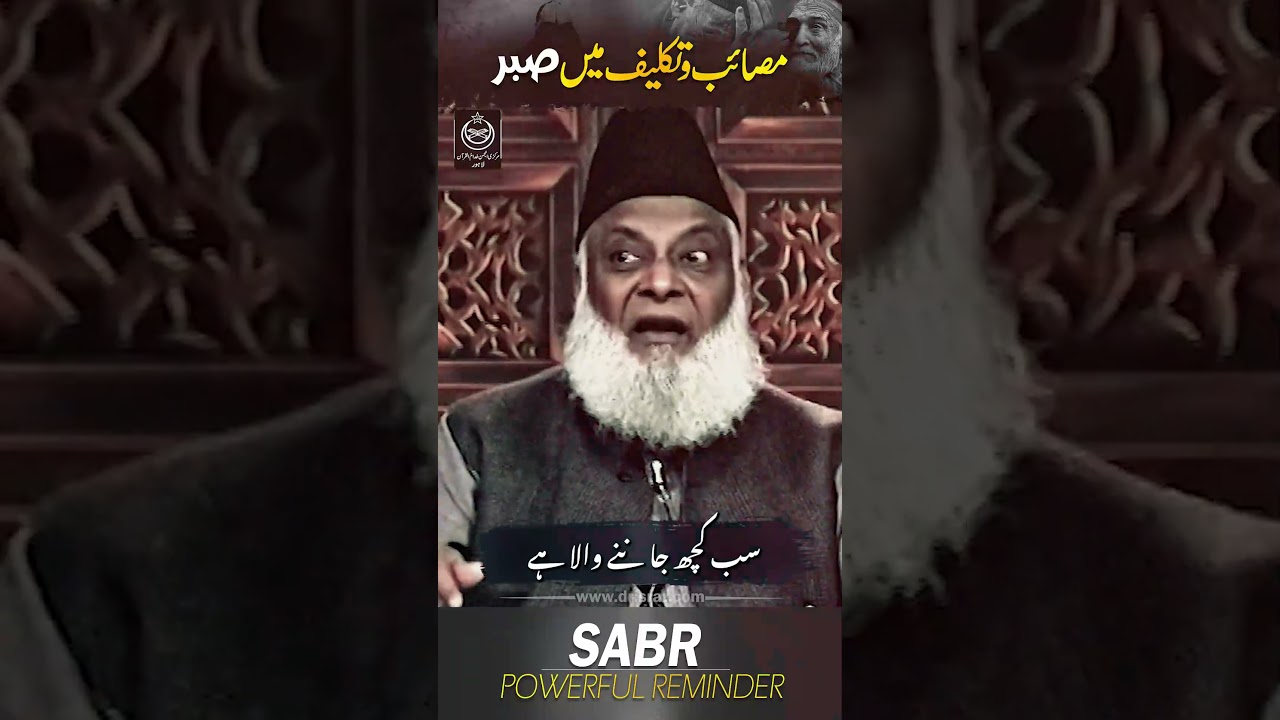
This lecture emphasizes the certainty of meeting God and the rewards awaiting those who remain steadfast in faith and patience. It addresses the unseen struggles and sacrifices made for others, often without recognition, and highlights the importance of enduring hardship with the promise of eventual reward in paradise. The speaker reassures listeners that God is aware of their trials and has prepared a welcoming reception for them in the afterlife. It also touches upon the whispers of doubt and the importance of remaining firm in belief, remembering that God is the All-Hearing and All-Knowing.
71
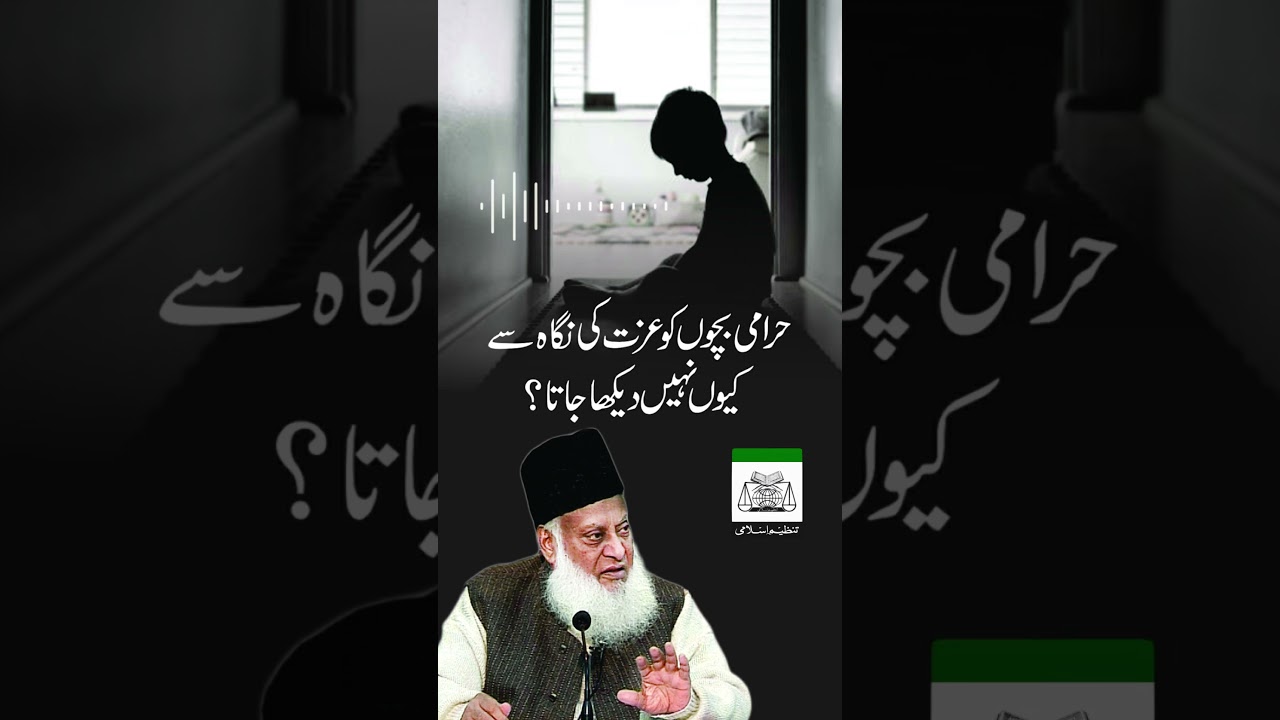
This lecture addresses the rights and societal treatment of children born out of wedlock in Islam. It firmly states that such children bear no guilt for the actions of their parents and should be treated with the same respect and dignity as any other child. The speaker emphasizes that these children are considered relatives (mawali) and should not be stigmatized or held accountable for parental transgressions. Any wrongdoing remains the responsibility of the parents, and the child is considered innocent.
66
