Kurze Hose

This lecture discusses the inevitable trials and tribulations faced by believers. It explains that hardship and adversity are not punishments, but rather tests of faith designed to distinguish those genuinely committed to their beliefs from those who are not. True believers willingly sacrifice their lives and possessions for the promise of Paradise. These trials—fear, hunger, loss of wealth, and life—are the price of admission to eternal reward. Those who persevere through these difficulties demonstrate their sincerity and earn their place in Paradise. The lecture emphasizes that genuine faith requires a willingness to endure hardship for the sake of God.

52
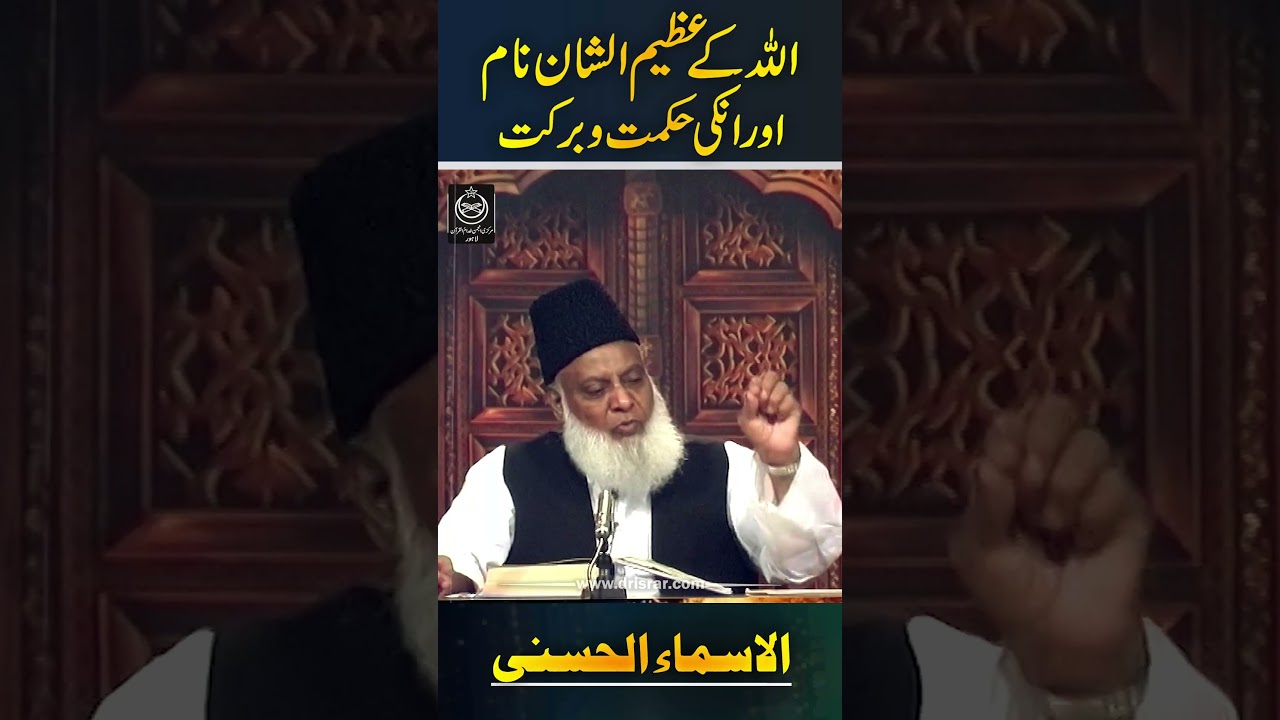
This lecture explores the absolute sovereignty of Allah, contrasting it with earthly kingship where power is often susceptible to corruption. It highlights that Allah’s authority is unchecked by any external force, but is governed by His perfect wisdom. The discussion draws parallels with the story of Pharaoh in Surah Momin, illustrating how even a self-proclaimed god faced limitations due to internal dissent and the inherent flaws of absolute power. The lecture emphasizes that Allah’s absolute authority is balanced not by external checks, but by His complete and perfect wisdom, ensuring just and equitable decisions.
71
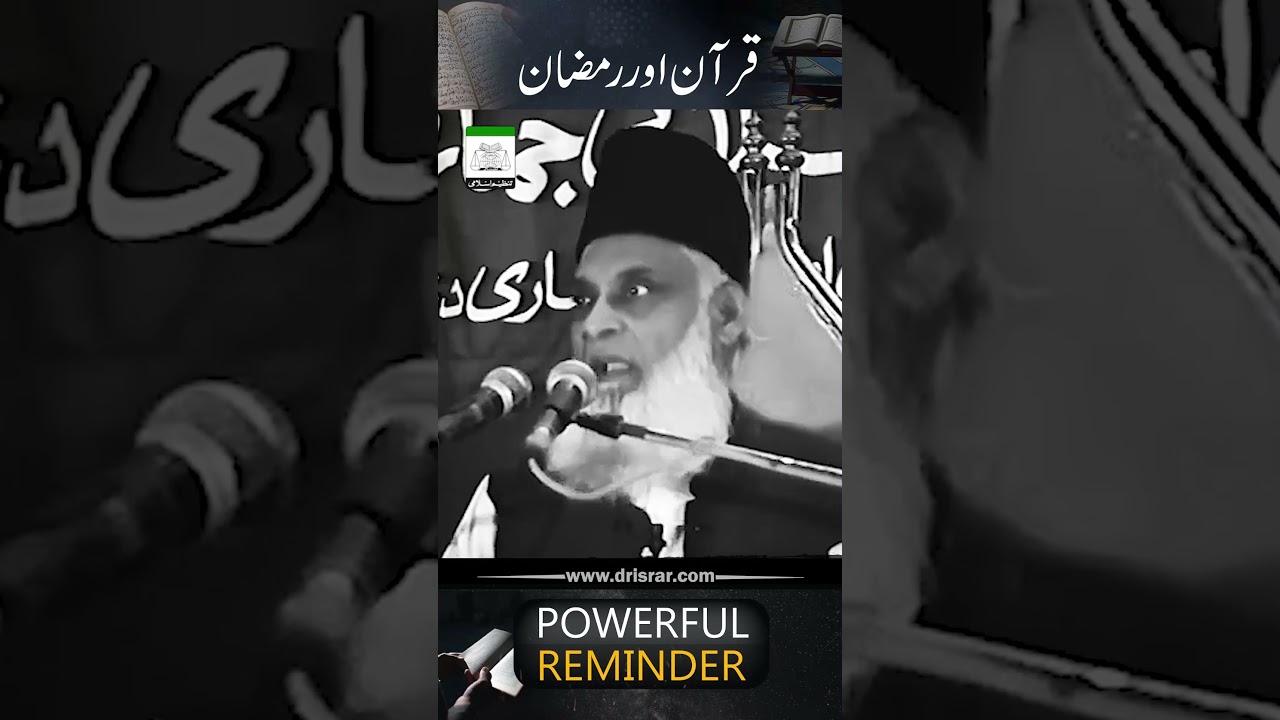
This lecture emphasizes the importance of reciting the Quran correctly and consistently, both day and night, and actively sharing its message with others. The speaker urges listeners to disseminate knowledge of the Quran to the best of their ability, ensuring no one is deprived of its guidance. Every individual is encouraged to teach what they’ve learned, recite what they’ve memorized, and explain what they understand, transforming this into a widespread movement dedicated to returning to the Quran. This is a call to prioritize and propagate the teachings of the Quran in all aspects of life.
60

This lecture discusses the profound knowledge of Quranic interpretation possessed by Hazrat Abdullah Ibn Abbas, a prominent companion of the Prophet Muhammad. He received special prayers from the Prophet for understanding of religion and deep comprehension of the Quran. Abdullah Ibn Abbas is considered a leading authority on Tafsir, with a significant number of narrations attributed to him through his students like Mujahid and Ikramah. The term 'Habr', meaning a highly knowledgeable scholar, is explained in relation to his status as 'Habr al-Ummah', the scholar of the Muslim community. The lecture also clarifies the origin of the term 'Habr' and its historical context regarding scholars of other faiths.
116

This lecture emphasizes that true faith necessitates action, striving, and sacrifice. It refutes the misconception that mere belief alone guarantees salvation or progress. The speaker argues that a life devoid of effort, dedication, and selfless contribution is ultimately futile. Genuine faith, coupled with righteous deeds, mutual encouragement towards truth, and patience in adversity, are essential for a meaningful existence and achieving success in this life and the hereafter. It stresses the imperative of continuous effort and commitment as fundamental requirements for spiritual and worldly advancement, rejecting the notion of effortless attainment.
78

This lecture discusses the human tendency to form opinions and suspicions about others. It emphasizes that forming negative judgments without concrete evidence is harmful and unjust. While doubt itself is not inherently bad, it should prompt caution and careful consideration rather than immediate negative action. The speaker stresses the importance of avoiding pre-judgment and treating others with fairness, even when suspicions arise. Caution and thoughtful evaluation are preferable to hasty, unjust decisions.
58
