ショーツ
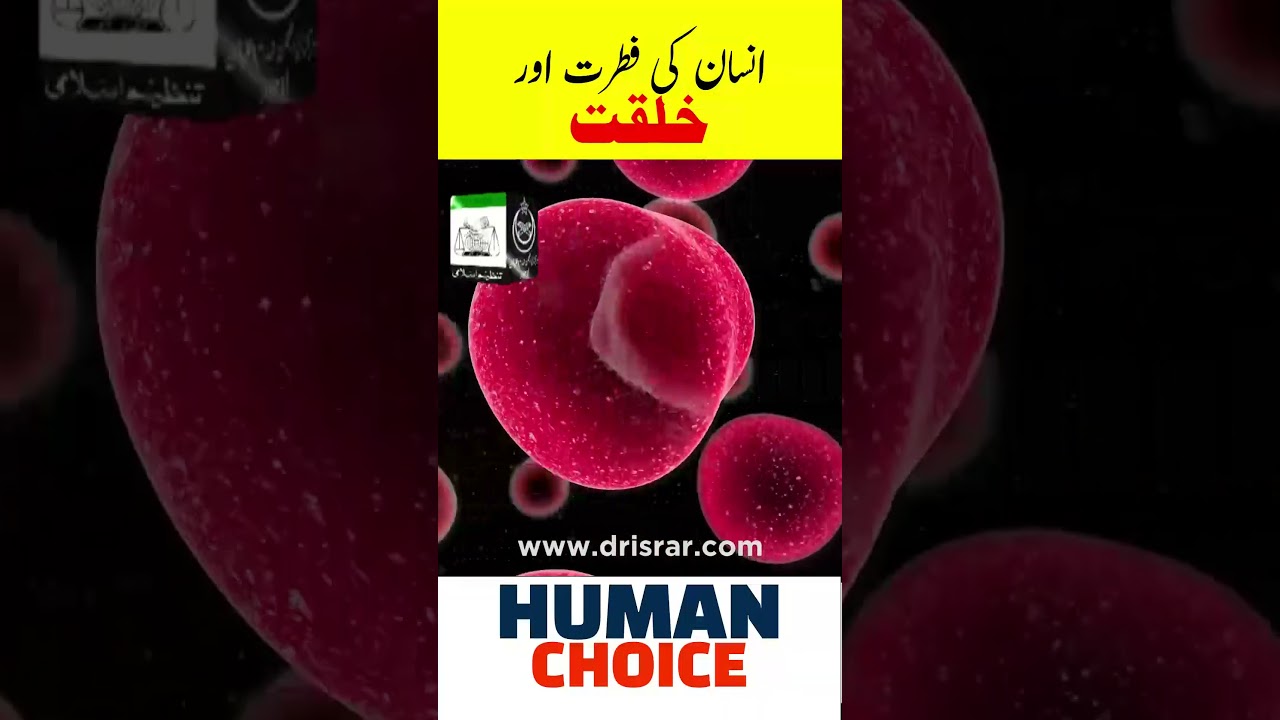
Human life begins with a unique creation, possessing inherent vitality from conception. Even before fertilization, both sperm and ovum exhibit life. All characteristics of life are present in the developing embryo. The embryo is a living organism, not an inanimate object. A crucial stage arrives approximately 120 days after conception. Prior to this, the creation is linked to four specific elements detailed in religious texts. The spirit, or soul, is infused into the embryo after this 120-day period, encompassing and permeating its very being.

52
This lecture emphasizes that genuine access to the essence of the Quran is only possible through self-purification. The speaker highlights a lament about humanity’s disregard for this immense blessing – neglecting to read, understand, implement, or make the Quran a guiding principle in life. Instead, many actively reject it, shaping their own unfortunate destiny through denial. The core message is a call to prioritize internal purification to unlock the true meaning and benefits of divine revelation.
609
This lecture discusses the permissibility of a mutual aid system (Imdad Bahawi) specifically for financing Hajj pilgrimage or fulfilling other needs. The system involves contributions from members, and a lottery or similar method determines the order in which members receive funds. It's explained that this is not considered interest-based, as members are simply pooling their resources and receiving funds back in a predetermined order. The lecture highlights the benefit of receiving a lump sum of money, enabling recipients to pursue business ventures or fulfill essential needs.
58
This world is fundamentally incomplete from the perspective of moral law. Physical laws operate with absolute certainty – transgression leads to consequence. However, moral failings, like lying or theft, often go unpunished in this life. This creates an inherent imbalance. A complete moral order, and the corresponding consequences for actions, necessitates another world, another existence where justice prevails. The speaker emphasizes the deficiency of this world’s system of accountability and advocates for a realm where moral principles are fully realized and upheld.
50
The word ‘Sawm’ (fasting) fundamentally means to abstain or stop. This encompasses ceasing from eating and drinking, halting speech, or even pausing physical activity. The Quranic verse from Surah Maryam references a vow of abstinence. Historically, ‘Sawm’ in pre-Islamic Arabian society denoted refraining from desires, including sexual activity. It also described a horse standing perfectly still. The term was adopted by the Quran to define the act of fasting as a form of worship, signifying a complete cessation of bodily needs and worldly distractions. It’s a comprehensive cessation, not merely from food and drink, but from all impulsive desires and worldly engagements.
78
This lecture explores the distinction between inherited faith and consciously accepted belief. The speaker argues many identify as Muslim due to birth rather than a personal, conscious decision and realization of faith. True Islam, it is asserted, requires *yaqeen* – a deep, experiential certainty – not merely adherence to dogma or inherited creed. This conviction, akin to the spiritual realization described by Allama Iqbal, is essential for meaningful practice and spiritual growth. Without this inner certainty, religious observance remains superficial.
55
