निकर
This lecture emphasizes the transient nature of worldly life and the eternal significance of the Hereafter. It asserts that true life resides in the afterlife, urging listeners to prioritize preparation for it. The speaker highlights the fragility of existence, reminding viewers that death can occur unexpectedly. The discussion focuses on the importance of dedicating one's life to fulfilling either worldly needs or earning rewards for the afterlife, condemning actions devoid of these purposes as detrimental to faith. Ultimately, the message underscores the necessity of having unwavering belief in the ultimate reality of the afterlife.

119
This lecture emphasizes the immense potential within humanity, created by God, and the inherent power residing within each individual. It argues that humans are unknowingly squandering their abilities by focusing solely on worldly pursuits. The speaker posits that if this innate power were directed towards recognizing and realizing the oneness of God, a profound transformation would occur, ultimately revealing divine glory. The core message stresses the importance of self-awareness and utilizing one’s capabilities for spiritual growth and the realization of God’s presence.
58
The speaker illustrates the difference between accepting information based on consensus and achieving genuine belief through personal experience. Just as someone unfamiliar with sugar relies on the testimony of others, true faith requires internal verification. Until one’s ‘test bits’ – internal faculties – are active and functioning, genuine certainty remains elusive. This lecture emphasizes that belief is not merely intellectual assent, but a state attained through lived experience and internal confirmation.
66

This lecture emphasizes the importance of fulfilling obligations to God and to humanity. It highlights the necessity of standing firm for justice, adhering to divine principles, and respecting revealed scriptures. The speaker stresses that true faith requires both upholding the rights of God – encompassing worship and obedience – and fulfilling the rights of others, including upholding justice and fairness. A key point is the responsibility to study, reflect upon, and act in accordance with the teachings of divine books like the Torah, the Gospel, and the Quran. The lecture concludes with a call to establish justice and follow the guidance revealed by God.
54
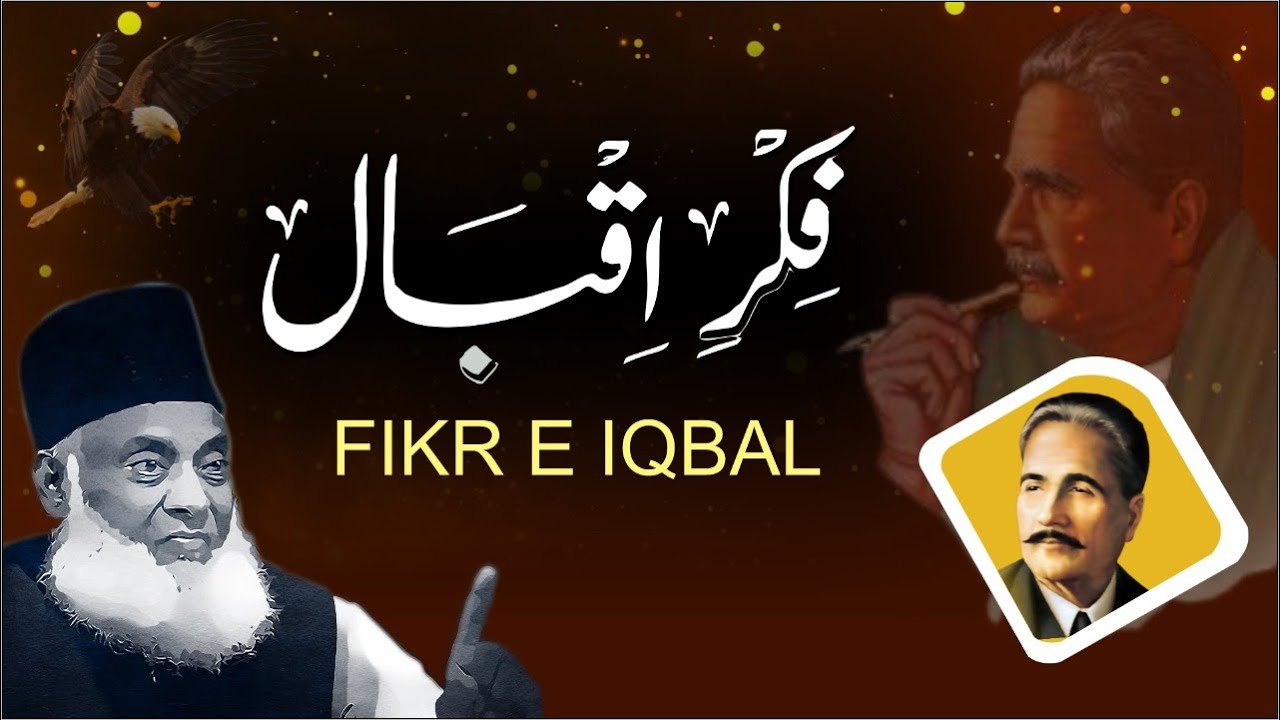
Iqbal critically analyzed modern ideologies, identifying inherent dangers within them. He particularly opposed nationalism (wataniyat) as a political concept, viewing it as a new form of idolatry that overshadows faith. He contrasted the spiritual unity of Islam with the divisive nature of national identities. Iqbal saw secularism and nationalism as major threats—forms of shirk (polytheism) and kufr (disbelief)—and materialism as the defining characteristic of contemporary civilization. He argued that true strength lies in adhering to the principles of Tawhid (Oneness of God) and embracing Islam as a complete way of life.
75
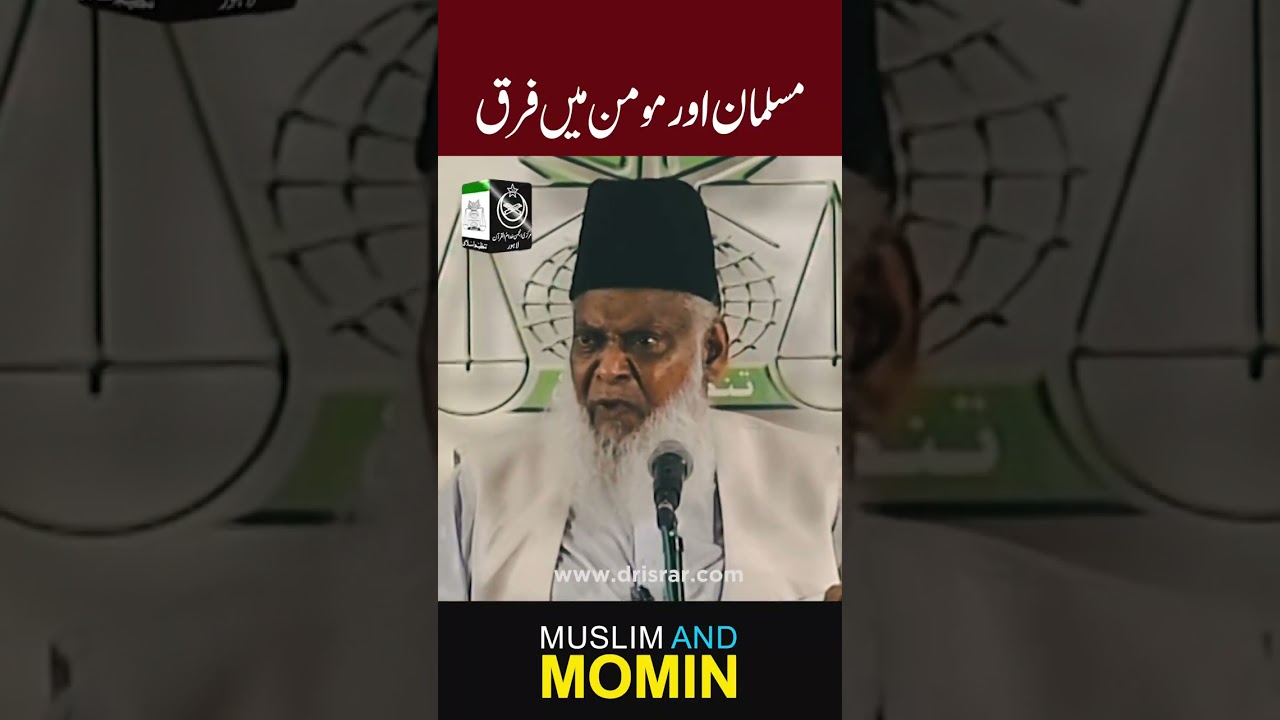
The lecture clarifies the distinction between being a Muslim—one who outwardly professes the faith—and a *mumin*—a true believer. It explains that merely claiming faith is insufficient; genuine belief requires complete trust in God and His Messenger, coupled with striving in His path with both wealth and life. The speaker references Surah Al-Hujurat, verse 14, highlighting that true faith enters the heart and manifests in dedicated action and sacrifice. A Muslim may adhere to the rituals, but a *mumin* embodies the complete essence of faith through unwavering dedication and continuous struggle for the sake of Allah.
81
