Celana pendek

This lecture explores the importance of constant remembrance of God and the Beloved. It emphasizes focusing on every moment as potentially the last, urging listeners to dedicate each breath to seeking forgiveness and offering supplications. The speaker highlights a lack of genuine attention to spiritual matters and encourages a profound shift in perspective, advocating for complete devotion and surrender to the Divine. The discussion draws a parallel to Iqbal’s call for dismantling obstacles to spiritual enlightenment, suggesting a rejection of superficiality and a commitment to inner transformation.

20

Dr. Israr Ahmad warns of a time when the Muslim community will be left with only the name of Islam, and the Quran will be reduced to its calligraphy and letters. He emphasizes a divine guarantee for the preservation of the Uthmani script. He predicts a proliferation of mosques that are devoid of guidance, and describes scholars who will be the worst of people, fostering discord and conflict. These scholars will be the source and destination of fitna (discord), promoting sectarianism and exacerbating differences among Muslims. He observes that a vast majority of contemporary religious leaders exhibit these characteristics.
84
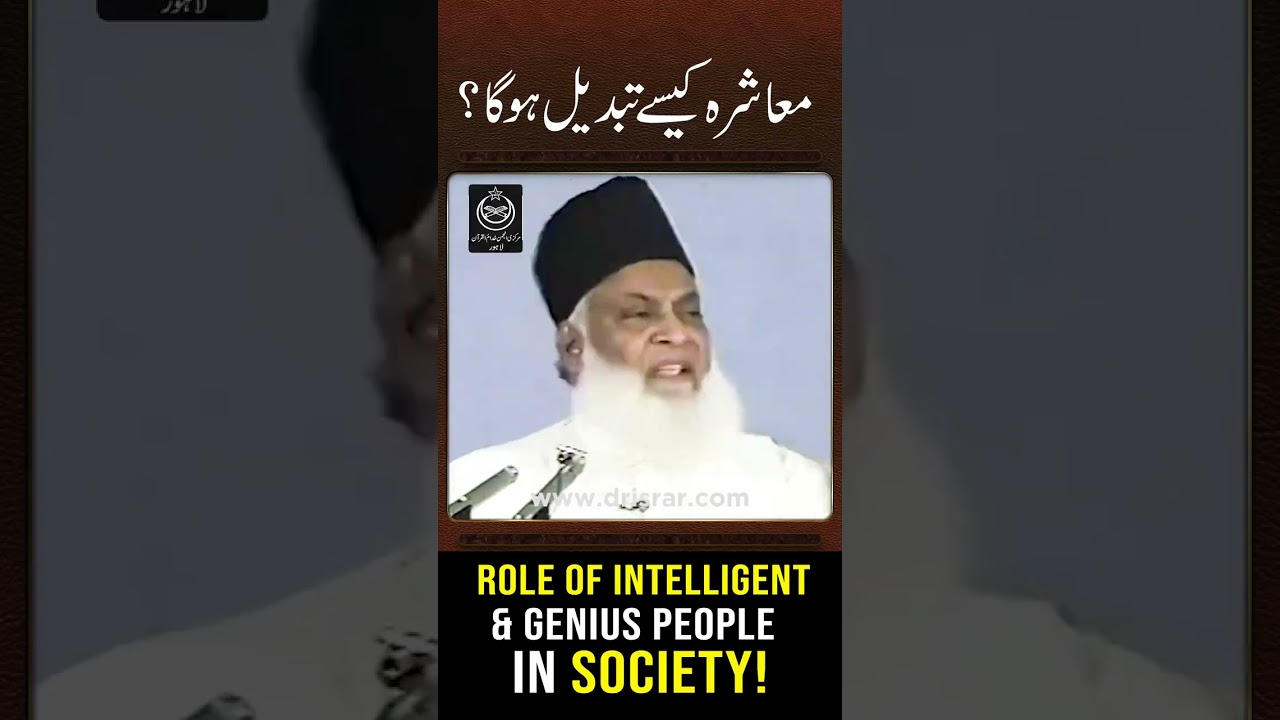
This lecture emphasizes that societal change is impossible without first changing individuals. The speaker argues that focusing on transforming individuals is more impactful than attempting to directly alter the collective. A core point is that a powerful intellectual class, or 'brain trust', must be engaged to facilitate this individual transformation. Without addressing the core beliefs and mindset of individuals, systemic change will remain elusive. The lecture prioritizes the empowerment of individuals as the primary driver of societal progress.
56
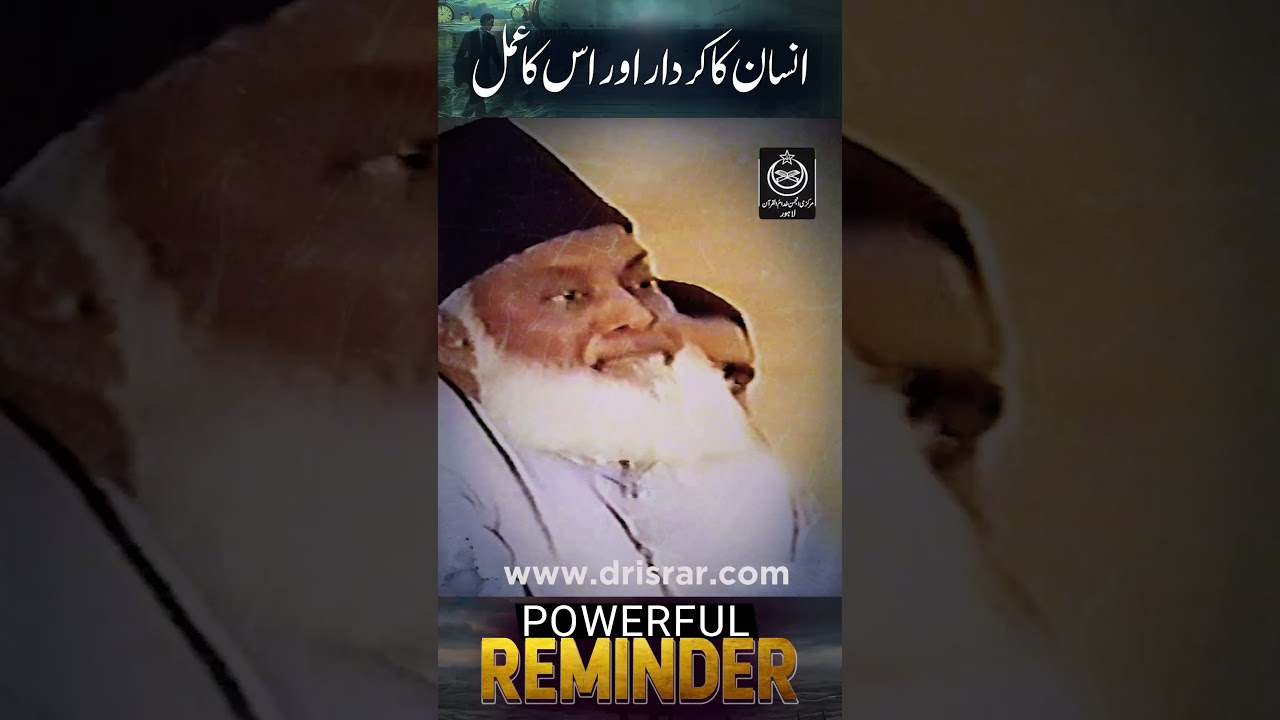
Human thought profoundly influences behavior, character, and deeds. Conversely, a person’s actions and character significantly shape their thinking. If knowledge and intellectual growth are not accompanied by corresponding action, a decline in character and thought can occur. A disconnect between intellectual understanding and practical application leads to stagnation and potentially a regression in personal development. Actions and character have a direct impact on one’s intellectual and spiritual progress.
59
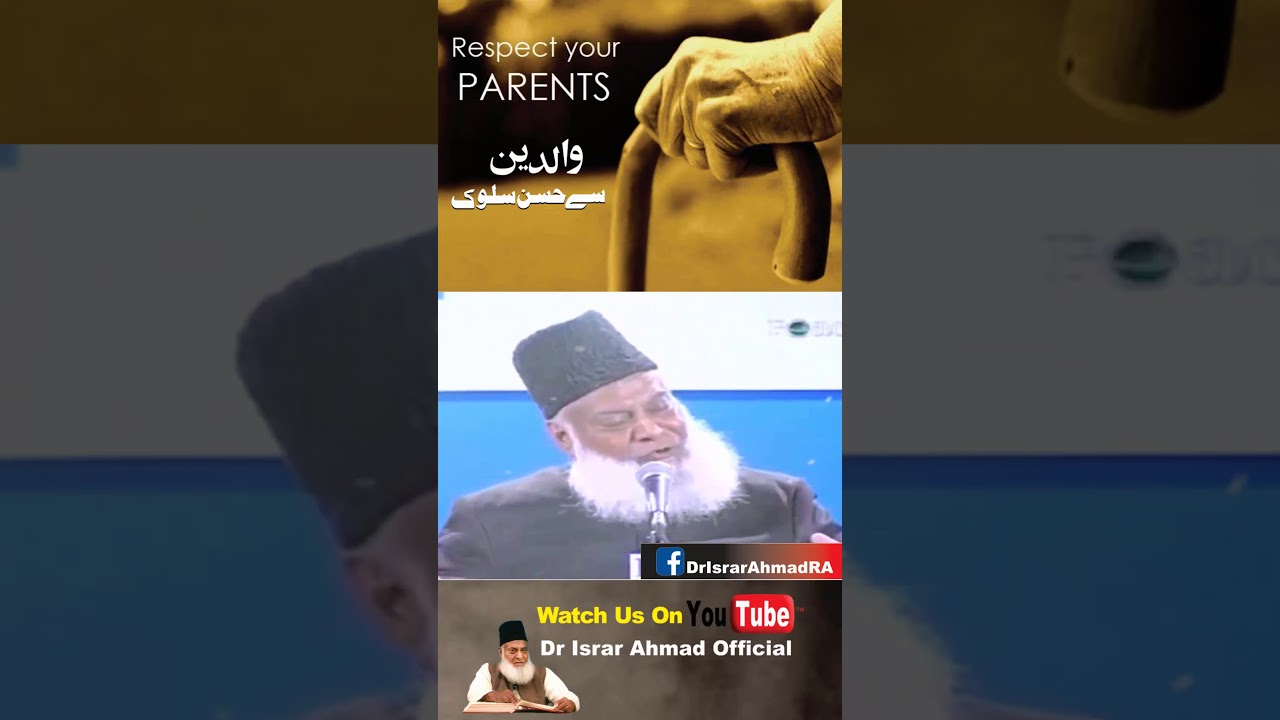
This lecture emphasizes the profound importance of showing respect and kindness to parents, especially in their old age. It stresses avoiding any harsh words or dismissive behavior, urging viewers to speak to them with humility, lowered gaze, and utmost reverence. The core message highlights that sincere prayer for their well-being is paramount. It underscores the spiritual reward of caring for aging parents and the detrimental consequences of disrespect.
190

This lecture details the fundamental beliefs of Islam, categorized into three main areas: faith in Allah (Tawhid), faith in the Hereafter (Akhirah), and faith in the Day of Judgment and life after death. It explains core tenets like belief in Allah, angels, divine books, prophets, the finality of prophethood, the Quran as the final revelation, life after death, Paradise, Hell, accountability, and divine decree. These beliefs are metaphysical and transcend the realm of sensory experience, forming the foundation of a Muslim’s worldview and guiding principles.
56
