निकर

This lecture addresses the plight of the impoverished, highlighting the harsh realities faced by those struggling to meet basic needs. It emphasizes that individuals preoccupied with daily survival – those who cannot consistently secure even two meals a day and labor for ten to twelve hours – are deprived of the capacity for spiritual contemplation. The speaker asserts that systemic poverty degrades humanity, reducing individuals to a bestial existence, akin to livestock. This degradation strips them of their dignity and their ability to connect with the divine.

1,430
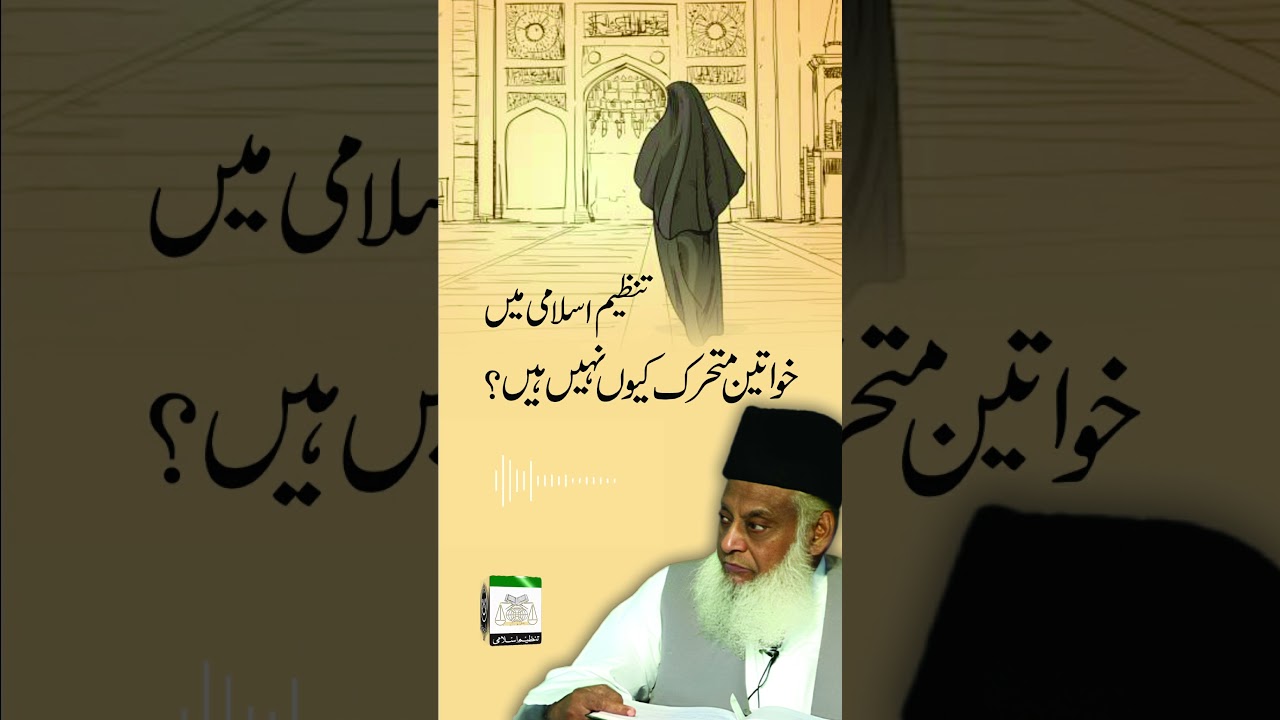
This lecture discusses the societal expectations placed upon women, particularly within a traditional framework. It highlights the prioritization of domestic responsibilities and the perceived conflict between these duties and external activities like preaching or political canvassing. The speaker emphasizes that a woman’s primary sphere of influence is her home, and while participation in other areas isn’t forbidden, it should not come at the expense of her familial obligations. The lecture addresses the potential for conflict when societal expectations clash with a woman's desire to engage in public life and suggests a balanced approach is necessary. It suggests that societal structures will naturally slow the pace of external activities for women prioritizing their homes.
101

Islam is founded upon five pillars: the declaration of faith (belief in one God and the prophethood of Muhammad), the performance of prayer, the giving of charity (Zakat), fasting during Ramadan, and pilgrimage to Mecca for those who are able. These five pillars constitute the core of Islamic practice and belief, forming the foundation upon which the religion stands.
81

This lecture explores the unique responsibility of the final messenger and the final nation (Ummah). It emphasizes that while other nations historically lived for their own interests and glory, this nation’s purpose is to live for the world, striving for guidance and leaving a lasting legacy. The speaker highlights a concern that the Muslim community has forgotten its mission and questions whether it will fulfill its role of disseminating truth and knowledge. It is a call to action, urging self-reflection and a renewed commitment to the core principles of Islam.
57

The lecture defines ‘Salihat’ (righteous women) in Islam, emphasizing their key characteristics. These women are obedient, protectors of marital fidelity and household secrets, and guardians of their husband’s honor and property in his absence. The talk highlights that a wife’s integrity directly reflects her husband’s honor, and her discretion is paramount. It emphasizes the wife’s role as the primary confidante and keeper of her husband’s secrets, alongside safeguarding his possessions and reputation.
62
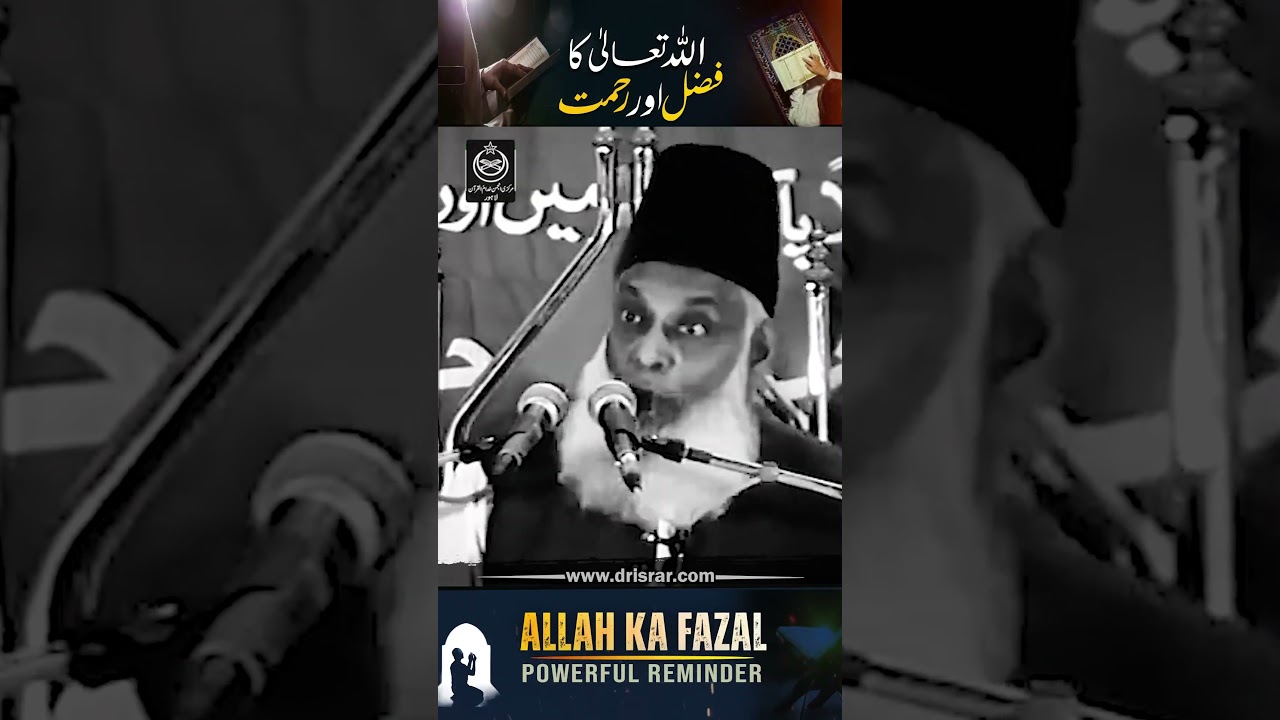
This lecture explores the profound connection between the Quran and spiritual well-being. It emphasizes that true guidance and divine mercy are attained not merely through ritualistic prayer, but through a heart cleansed of spiritual ailments and fully receptive to the Quran's message. The speaker highlights the Quran as an immense blessing and a source of joy, urging listeners to find celebration in its teachings rather than worldly possessions. The core message stresses that genuine happiness lies in recognizing and appreciating the Quran's unique value, surpassing all material wealth.
64
