Kratke hlače
This lecture explores the profound inability of humanity to truly comprehend and appreciate the majesty of Allah. It asserts that genuine recognition of God is the foundation of all true connection and devotion. Those who fail to grasp this divine essence will inevitably seek solace in lesser things, becoming attached to worldly illusions and neglecting the ultimate source of beauty and truth. The discussion highlights the consequences of spiritual blindness, where individuals remain unaware of the manifestations of God’s glory, grandeur, and perfection, and instead wander aimlessly through life, chasing ephemeral pleasures and superficial connections. True love and devotion arise from a deep understanding of God's attributes.

64
This lecture explores the negative characteristics of arrogance and miserliness, highlighting their spiritual and societal harms. It details how pride often stems from a fear of losing wealth and status, leading to stinginess and discouraging generosity. The lecture further explains how individuals consumed by these traits not only hoard their possessions but also encourage others to do the same, fearing criticism for spending. Ultimately, it warns of the severe consequences awaiting those who persist in these behaviors, emphasizing the importance of humility and generosity as virtues pleasing to God.
62
This discourse details the path of *Sirat-e-Mustaqeem* (the straight path) as it transitions from this world into the intermediate realm (Barzakh) and ultimately becomes the bridge over Hell on the Day of Judgement. It explains how the righteous will traverse this path to enter Paradise, witnessing the salvation granted by God, while the wrongdoers will fall from it due to their lack of divine guidance. The lecture emphasizes the immense value of God’s mercy and forgiveness for those who adopted a path of piety in this world. Those devoted to *taqwa* (piety) will be rescued, while the unjust will remain fallen. This path will be a test of faith and a demonstration of God’s justice.
51
Zamzam water is a miraculous source continuously flowing for centuries despite extensive efforts to determine its origins. Scientific research has failed to explain the immense volume of water consistently replenishing the well. The water possesses unique properties, sustaining life for extended periods as documented in hadith—a person can survive solely on Zamzam water for forty days. This continuous flow and inherent sustenance are considered a divine miracle, a testament to Allah's power.
70
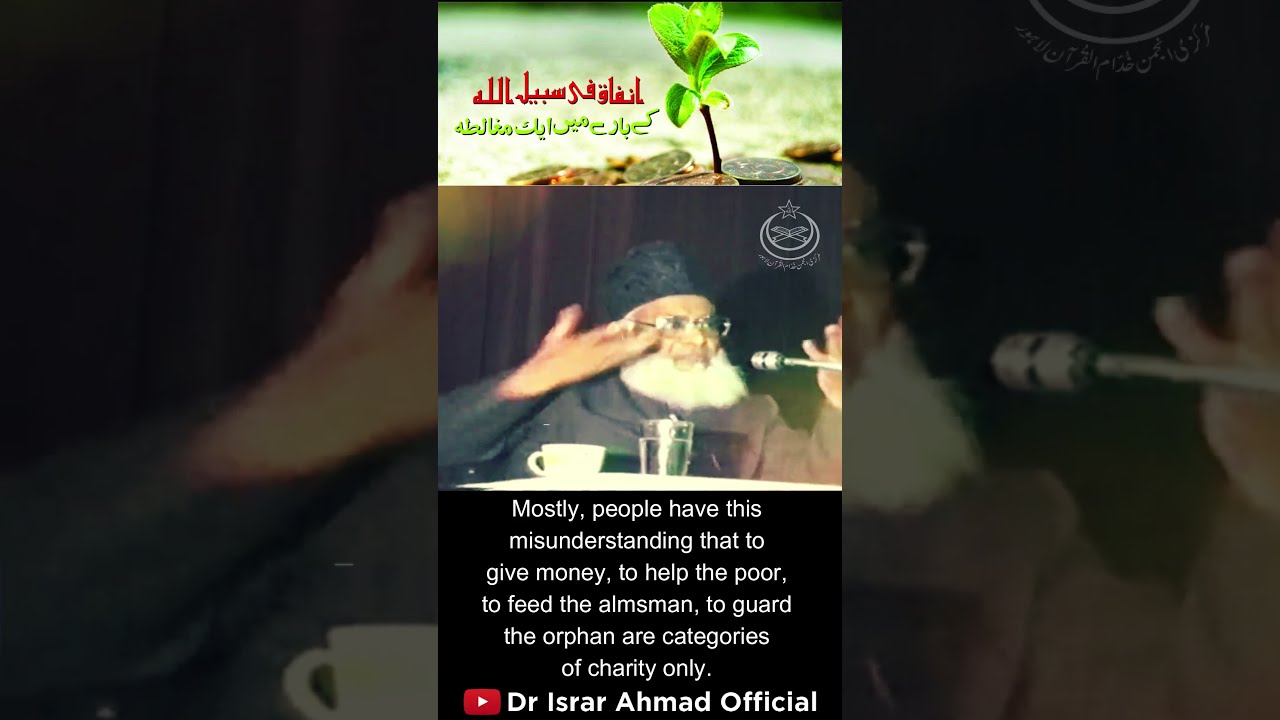
The term ‘Infaq’ in the Quran differs from general charity. It’s not limited to helping the poor, orphans, or the needy. Infaq specifically refers to spending in the way of Allah – for the propagation, elevation, and establishment of the religion. This spending, considered a loan to Allah, fuels the struggle for Islam's dominance. Supporting relatives is a personal obligation, while investing in the religion is a direct loan to Allah, a debt He Himself acknowledges. This concept distinguishes between familial support and investment in faith.
95

The earliest form of worship was standing in prayer at night, initially for two-thirds, then one-third of the night, with recitation of the Quran. At that time, only a portion of the Quran had been revealed. Later, during the eleventh year, five daily prayers were mandated in Makkah. Before this, practices like fasting, interest, gambling, and alcohol were not prohibited. There was no complete established Sharia law; only faith (Iman) existed.
64
