شارٹس

This lecture clarifies the definition of an ‘aayat’ (Quranic verse), differentiating it from a complete sentence or poetic verse. It explains that an aayat can be short, like ‘Wal Asr,’ or consist of multiple sentences, such as those found in Surah Al-Qurs. The determination of what constitutes an aayat is based on the teachings of the Prophet Muhammad (peace be upon him). The lecture emphasizes the importance of retaining the essence of ‘aayat’ in translations, as each verse is a sign of Allah’s knowledge and wisdom. A precise translation in Urdu or English is often impossible because ‘aayat’ intrinsically signifies a divine indication.

58
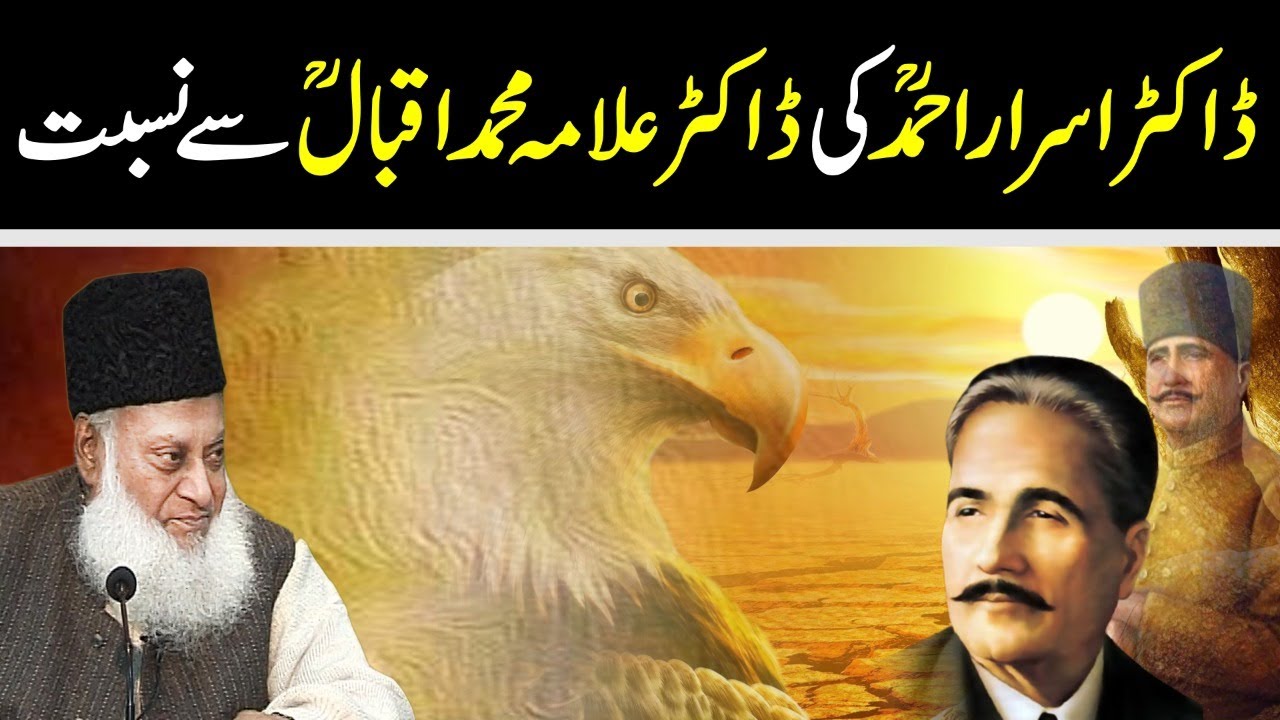
Dr. Israr Ahmad discusses Allama Iqbal’s vision for the Muslim Ummah, his early exposure to Islamic teachings, and the connection between his poetry and the Quran. He details the establishment of an organization fulfilling Iqbal’s dream of combining Quranic study with modern education, and the principles behind the founding of an organization dedicated to practicing Muslims committed to Quranic principles. He also explains the reasons behind the failure of the establishment of Jamaat-e-Islami and the founding of Tanzeem-e-Islami. Dr. Ahmad emphasizes the importance of prioritizing faith and practice over political engagement and adhering to a system based on commitment rather than elections. He shares his personal connection with Iqbal’s legacy and his commitment to continuing his work.
89
This lecture clarifies whether good deeds remain valid despite the presence of evil actions, or if evil deeds nullify the effect of good deeds. It asserts that evil actions definitively diminish or invalidate the benefits of good deeds, rendering them ineffective. Committing grave sins, such as denying the Quran or the Prophet Muhammad, can completely negate all accumulated good deeds.
70
The name Ramadan originates from the intense heat that once prevailed in Arabia, causing hardship and even death. People perceived this time as one where purification occurred naturally. The month of Ramadan was thus associated with cleansing and seen as a period where accumulated impurities within the human body were naturally eliminated. The practice of fasting was ordained by God to facilitate this process. Another interpretation connects the name Ramadan to one of God’s names, signifying ‘the month of God.’ This is supported by a tradition of the Prophet Muhammad, who identified Sha’ban as his month and Ramadan as God’s month.
65

This lecture explores the concept of free will and its implications. Humans experience freedom in this world, but are accountable for their actions. The material laws of this world do not immediately punish wrongdoing, creating a false sense of impunity. However, the ultimate return is to God, where every deed, no matter how small, will be accounted for. Those who perform even a speck of good will find it before them, and those who commit even a speck of evil will also face its consequences. This emphasizes divine accountability and the importance of righteous conduct despite the apparent lack of immediate consequences.
62
This lecture addresses the issue of a widow relying on interest income for her children's upbringing and explores permissible alternatives. It emphasizes avoiding *haram* (forbidden) earnings, even in dire circumstances, and suggests seeking lawful means of income like home-based work, such as sewing. The speaker clarifies that while permissible in extreme need to survive, interest is generally not justifiable. He highlights that true sustenance comes from Allah and encourages reliance on Him while pursuing *halal* (lawful) earnings.
71
