شارٹس
Islamic teachings emphasize prioritizing the rights of parents after those owed to God. The rights of mothers are three times greater than those of fathers due to the immense physical and emotional burden they bear during pregnancy, childbirth, and raising children. While fathers provide financially and are essential, mothers endure unique hardships that necessitate a higher degree of respect and care. This lecture details the importance of recognizing and fulfilling these parental rights in Islam.

67
This lecture emphasizes the value of sufficiency over abundance. It highlights that having limited resources, but being content and self-reliant, is preferable to having plenty while being heedless and dependent on others. The core message is that fulfilling basic needs with dignity is superior to living a life of extravagance and reliance on external support. True well-being lies in avoiding debt and maintaining independence, even with modest means. Contentment and self-sufficiency bring peace of mind and protect one from humiliation.
73
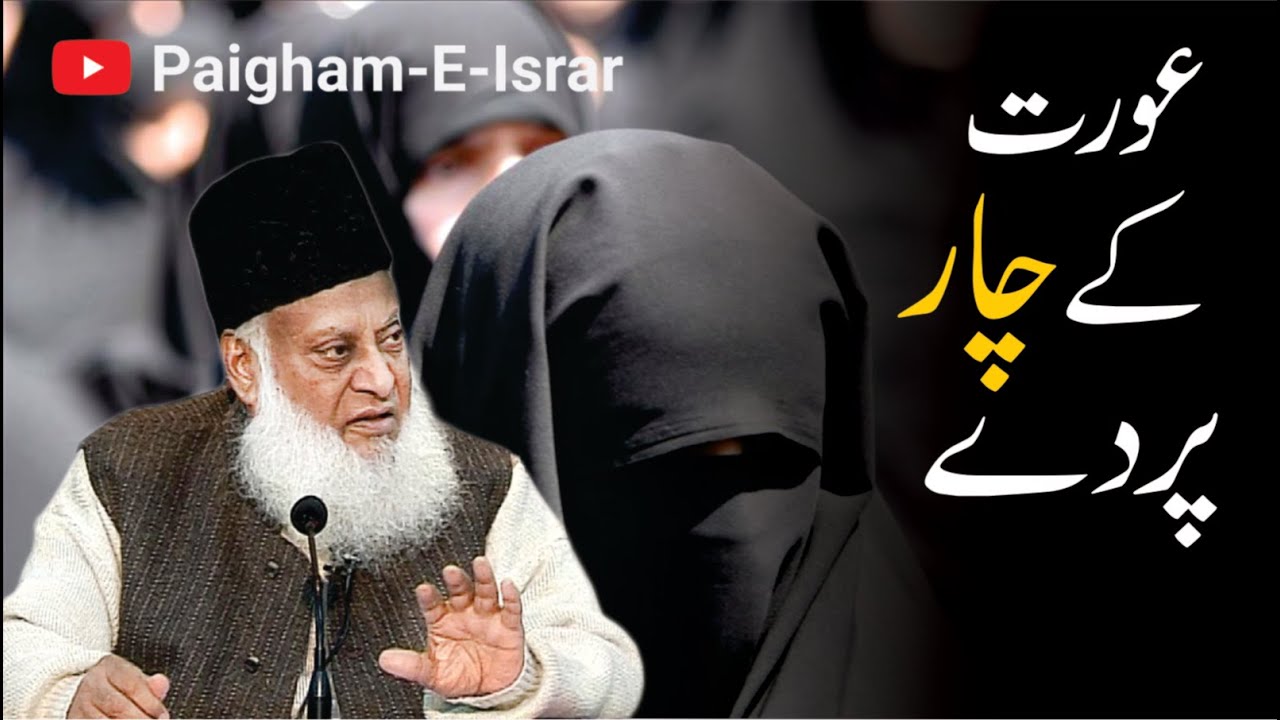
This lecture details the four levels of modesty (pardah) prescribed in Islam. The first level involves segregation of genders in social settings. The second concerns appropriate attire when leaving the home, evolving from the jilbab to the burqa for increased ease and protection. The third level restricts access to the home to only close male relatives (mahram). Finally, the fourth level mandates covering the entire body even before mahram relatives, leaving only the face, hands, and feet exposed. The speaker emphasizes that these principles are being eroded in modern times, representing a deliberate attack on Islamic teachings.
65
The Quran possesses two levels of understanding. The first is a surface-level comprehension, readily accessible like oil floating on water after a tanker leak. This represents the primary lessons and wisdom directly present within the text. The deeper level, however, is immeasurable, akin to the depths of the ocean, requiring profound exploration to fully grasp its complexities. Just as measuring the ocean's depths is a challenge, so too is comprehending the full extent of the Quran’s wisdom.
38
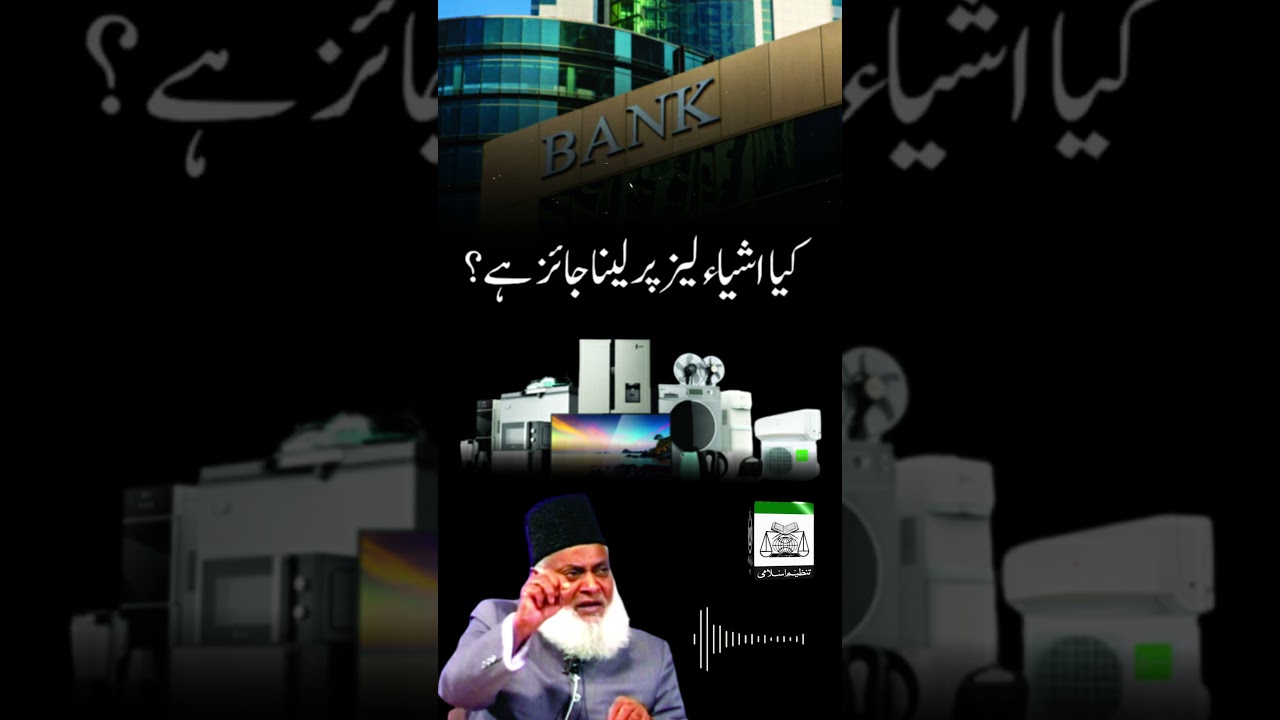
The speaker clarifies the distinction between legitimate leasing (ijara) and purchases financed through interest (riba). Leasing involves renting an asset for a specified period, with the renter paying a monthly fee and covering operational costs. In contrast, an interest-based purchase involves financing the full price of an asset over time, accruing interest on the outstanding amount. The speaker emphasizes that financing a purchase with interest, even if labeled differently, constitutes riba and is prohibited. Legitimate leasing does not involve any form of interest or profit on the asset itself, only a rental fee for its use. The discussion highlights that changing the label of an interest-based transaction does not alter its fundamentally prohibited nature.
62
The existence of multiple deities would inevitably lead to chaos and disorder within the universe, disrupting the established harmony. Conflicting wills and opinions would prevent the precise, balanced operation of creation. The consistent order observed—where every action aligns with its intended consequence—demonstrates a single, unifying will governing all existence. This consistency serves as proof of the oneness of God.
51
