Shorts

This lecture details the immense sacrifices parents make, particularly mothers, during pregnancy and early childhood. It highlights the physical and emotional burdens mothers endure, from carrying the child in the womb for nine months to nurturing and feeding them for two years. The text emphasizes the profound debt of gratitude children owe their parents, both for their care and as a reminder of our ultimate return to God, mirroring the parent-child relationship. It stresses that acknowledging and appreciating parents is a fundamental aspect of faith and righteousness.

49

This lecture challenges conventional definitions of success, which often equate it with wealth, property, or business expansion. It asserts that true success lies beyond material possessions and external achievements. The speaker contends that societal perceptions of success are flawed, and genuine fulfillment stems from something deeper than worldly gains. The core message emphasizes a shift in perspective, urging listeners to redefine success based on intrinsic values rather than external metrics.
225
This lecture explores the core concept of prayer (dua) in Islam as a profound encounter between the ego (ana-e-sagheer) and the divine self (ana-e-kabeer). It posits that true prayer involves the annihilation of the smaller self before the grandeur of God. Dr. Israr Ahmad explains that this process of self-effacement allows for a deeper connection with the divine, moving beyond superficial requests to a realization of spiritual unity. The lecture details the journey from a limited, self-centered existence to a state of complete surrender and immersion in the divine presence. It’s a discussion of spiritual refinement and the essence of worship.
77
This lecture discusses the diminishing spiritual impact of rituals like mourning ceremonies, prayer, fasting, sacrifice, and pilgrimage. It argues that mere performance of these acts, without genuine inner transformation, yields no societal benefit. The speaker contends that individuals often return from these practices unchanged, even emboldened to sin, perceiving them as a license for future transgressions. True spiritual benefit requires a profound personal change, not simply the outward completion of religious duties. The speaker emphasizes the lack of positive impact on society despite large numbers participating in religious observances.
42
The speaker describes a massive gathering of people traveling towards a destination, likely a religious event, emphasizing the unified message of monotheism (Tauheed) expressed by the participants. The continuous flow of vehicles and the sheer number of attendees highlight the scale of the event and the profound impact of the shared belief. The speaker recounts witnessing this procession firsthand, noting the unbroken line of lights stretching for miles.
41
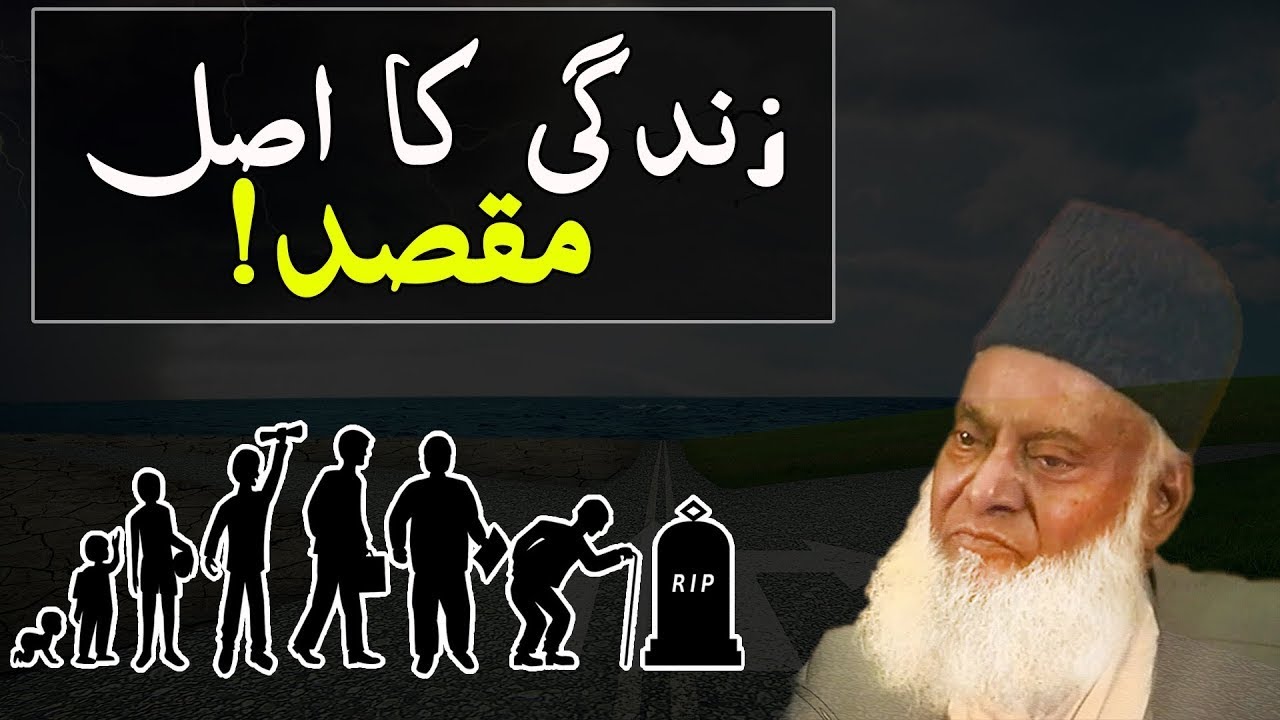
The speaker discusses the sacrifices people make for misguided ideologies, contrasting them with the dedication needed from capable individuals to strengthen religious work. He highlights the importance of educated and well-off youth devoting themselves to faith, questioning how progress can be achieved without their contribution. The lecture emphasizes that dedication to religion shouldn’t be a last resort for those lacking other opportunities, but a conscious choice made by those with the means and ability to contribute meaningfully.
63
