Shorts
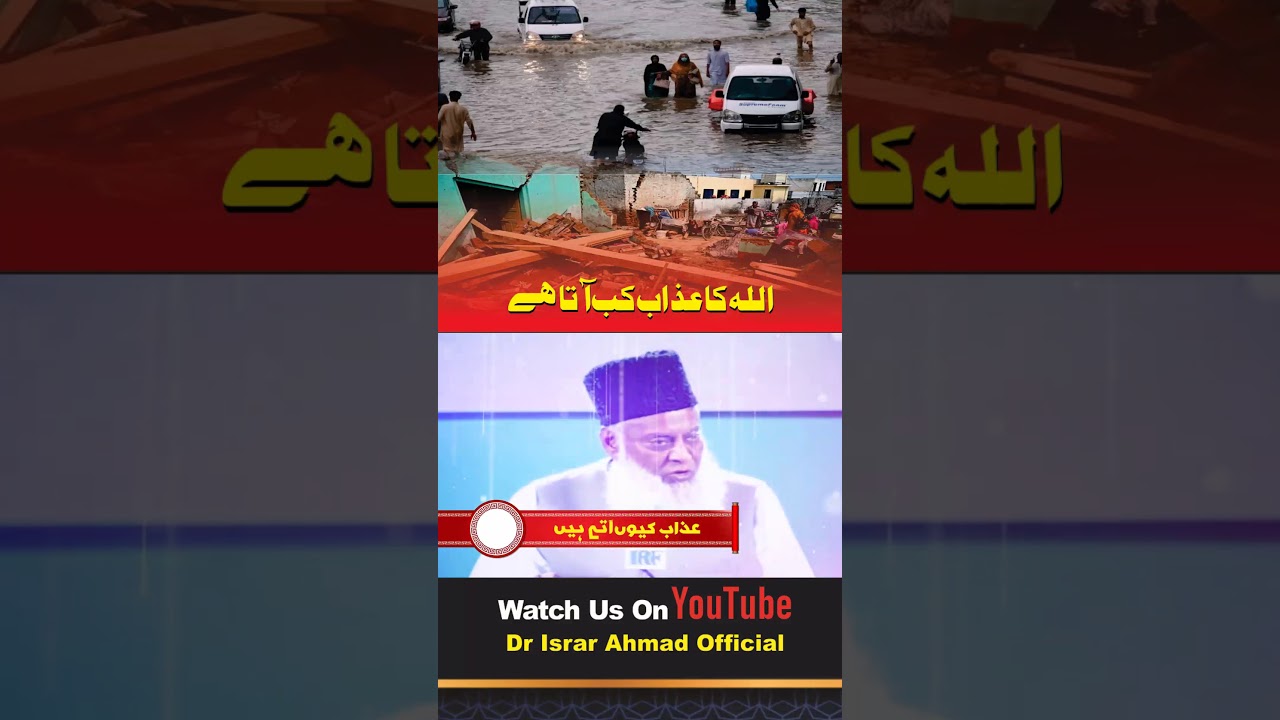
A nation possessing divine scripture and law, claiming to follow the messenger of God, becomes God’s representative on Earth. However, if its actions contradict this claim, it becomes worse than non-believers and invites divine punishment. The lecture emphasizes that merely professing faith is insufficient; practical adherence to divine principles is crucial for fulfilling the role of a representative nation and avoiding God’s wrath. This highlights the profound responsibility borne by a nation claiming religious affiliation.

231
Allama Iqbal eloquently states that a Muslim's life is defined by adherence to a constitutional framework – the Quran. This framework sustains the Muslim community, analogous to the body sustained by the soul. Just as a body ceases to function without a soul, the community’s vitality depends on the Quran. The Quran is the heart of the Muslim community, a guiding force and connection to God. Without this divine connection, existence is meaningless; the community is merely dust without a guiding light. The Quran is the rope of God, providing strength and direction. A life devoid of this connection lacks purpose and substance.
59
This lecture emphasizes that genuine access to the essence of the Quran is only possible through self-purification. The speaker highlights a lament about humanity’s disregard for this immense blessing – neglecting to read, understand, implement, or make the Quran a guiding principle in life. Instead, many actively reject it, shaping their own unfortunate destiny through denial. The core message is a call to prioritize internal purification to unlock the true meaning and benefits of divine revelation.
609
This lecture details a conversation where individuals express extreme devotion through perpetual worship, fasting, and abstinence from marriage. The Prophet Muhammad (peace be upon him) responds, asserting his own piety and emphasizing that true faith lies in following his teachings and sunnah. He clarifies that deviation from his sunnah signifies exclusion from his followers. The lecture underscores the importance of balance and adhering to the Prophet’s guidance in religious practice.
141
This lecture clarifies the minimum requirements for salvation according to Islamic teachings. It emphasizes that faith combined with righteous deeds is essential, not merely faith alone. While varying degrees of reward exist, a baseline of belief and good actions is non-negotiable for securing salvation. The speaker addresses the misconception that abundant good deeds can automatically compensate for a preponderance of sins, highlighting that consistent faith and good works are the fundamental criteria for attaining divine forgiveness and entering Paradise. It explains that while higher ranks in Paradise may require greater effort, basic salvation is predicated on fulfilling these essential requirements.
44
The Prophet Muhammad (peace be upon him) was asked about the most virtuous form of migration. He responded by emphasizing the abandonment of everything displeasing to God. This necessitates a self-assessment to identify and eliminate harmful practices and beliefs, aligning one's life with the spirit of Islamic law. This is the true beginning of migration – an internal purification and commitment to righteous conduct.
68
