شلوار کوتاه
Dr. Israr Ahmad discusses the reasons behind the lack of fervor within the Muslim community, connecting it to a lack of understanding of the prophetic revolution. He argues that the current state of disillusionment and self-destructive behaviors – exemplified by acts of desperation and misguided aggression – stem from a loss of direction and a failure to comprehend the principles of the Prophet Muhammad’s revolutionary message. He emphasizes that without grasping the essence of this revolution, individuals will remain lost and misdirected.

372

This lecture critiques the hypocrisy prevalent within religious observance, highlighting a focus on outward rituals while neglecting inner spirituality. It emphasizes the dangers of superficial adherence to faith, comparing it to beautifully decorated tombs concealing decay within. The speaker argues that genuine faith requires a connection to the divine, not merely outward displays of piety. The discussion extends to contemporary issues of materialism, corruption, and the loss of spiritual values, drawing parallels between past and present societal failings. The lecture underscores the importance of cultivating a sincere relationship with God and striving for inner transformation.
52
The lecture discusses the concept of *bidat* (innovation) in religious practice, specifically distinguishing between permissible and impermissible innovations. It focuses on the example of Hazrat Umar Farooq (RA) initiating the practice of reciting *tarawih* prayers in rows behind the Imam, which he termed a *bidat hasana* (good innovation). However, the lecture emphasizes that the right to declare an innovation as *hasana* is exclusive, and Muslims should adhere to the example of the Prophet Muhammad (peace be upon him) and the rightly guided caliphs. The core argument is that innovation should not be introduced independently, but only when justified by established principles and guided by prophetic tradition. Following the Prophet’s and the rightly guided caliphs’ practices is paramount.
61
This lecture addresses the grave sin of associating partners with God, specifically the pre-Islamic Arabian practice of assigning gender to God and believing in divine offspring. It highlights how attributing progeny to Allah is the most egregious form of *shirk*. The discussion condemns the notion of God having sons and daughters, referencing the verse about God's displeasure with angels who assigned gender to Him. The lecture emphasizes the immense audacity of such a claim and warns against its consequences.
36
This lecture emphasizes the transient nature of worldly life and the importance of preparing for the afterlife. It highlights that life in this world is merely a temporary diversion, like a game or play, and true life resides in the hereafter. The speaker stresses that the passage of time feels incredibly swift, akin to a few hours when viewed from the perspective of eternity. A firm belief in this reality should empower individuals to face trials and tribulations with resilience, knowing that death is an inevitable journey toward union with the Beloved – Allah. The lecture encourages a joyful acceptance of death as the lifting of a veil separating us from our ultimate home and true happiness.
52
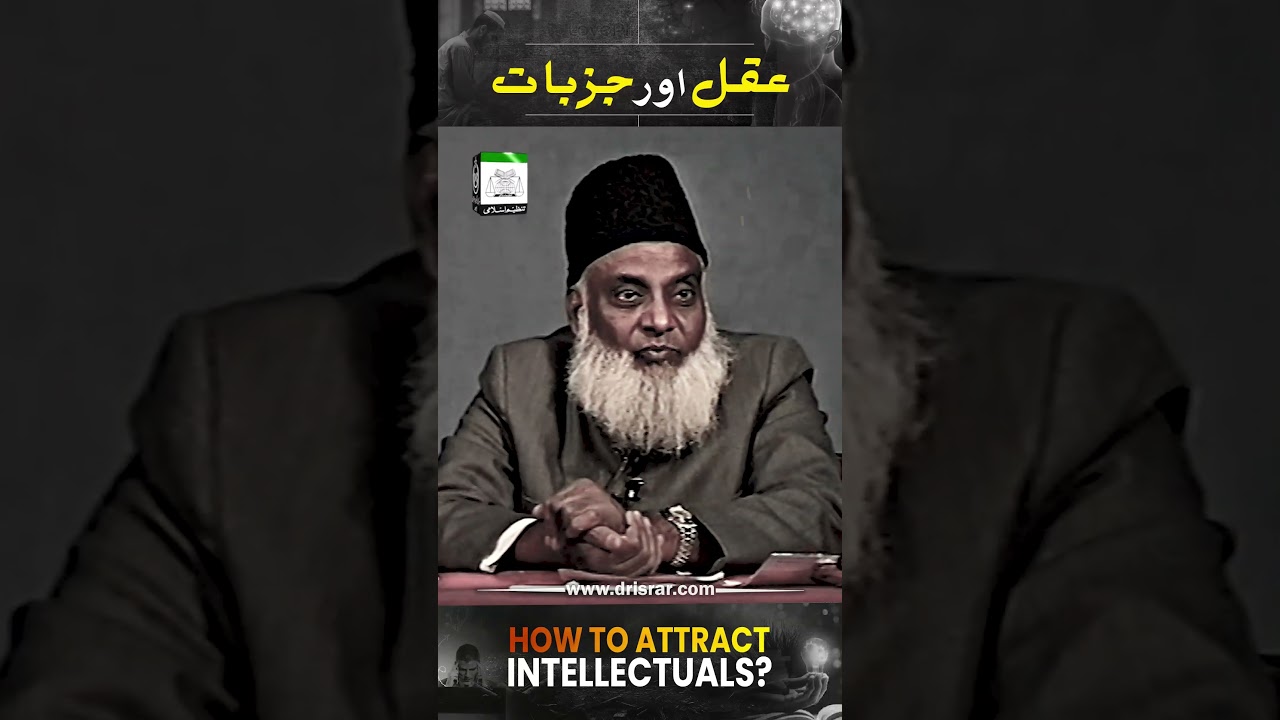
This lecture explores the crucial balance between intellect and emotion. It argues that while reason illuminates the path – defining goals and direction – it is passion that provides the impetus for action. The speaker uses the historical example of the *iqal* – a rope used by Arab Bedouins to tether their camels – to illustrate how limiting oneself to reason alone can stifle progress. The *iqal*, initially used to restrain the camel, became a symbol of freedom when moved to the owner’s head, signifying a readiness to embark on a journey. The lecture emphasizes that true progress requires both rational understanding and emotional drive, cautioning against being overly bound by practical considerations and societal expectations.
78
