শর্টস

This lecture explains that seeking refuge in Allah is a natural human response to fear, mirroring a child's instinct to run to their mother for safety. The speaker draws a parallel between finding solace in a mother's embrace and finding guidance through connection with Allah. True guidance lies in clinging to Allah, as stated in the Quran, leading one to the straight path. The lecture emphasizes that Allah is the ultimate protector, supporter, and helper, offering strength and security. Connecting with Allah provides unwavering support and direction in life.

88

This lecture explores the incomplete nature of the Prophet Muhammad’s mission, asserting that the complete prevalence of the Divine religion across the entire world is a prerequisite for the Day of Judgement. It details how, while significant portions of Arabia were illuminated by the light of monotheism during the Rashidun Caliphate, vast regions including China, India, Europe, and much of Africa remained untouched. The speaker emphasizes that until the entirety of the earth embraces the Divine message, the Prophet’s ultimate objective remains unrealized, highlighting the continuous need for striving and dedication towards its completion.
56

This lecture explores the profound connection between the call to prayer (azan) at birth and the funeral prayer (janaza) at death. It posits that life is an interval akin to the time between the azan and iqamat, and the subsequent prayer. The speaker draws parallels between these ritualistic acts, suggesting that birth and death are bookends to a temporary existence. The lecture highlights the transient nature of worldly life, framing it as a brief pause between two states of being, emphasizing the importance of reflection and spiritual awareness.
71

True prayer transcends ritual; it’s a direct communion with God achieved when the soul awakens. This lecture emphasizes that merely performing the actions of prayer—recitation and physical movements—is insufficient. Real connection occurs when one feels present before God, experiencing a sense of humility and closeness akin to placing one’s head in God’s lap. If the soul is dormant, oppressed, or dead, genuine prayer cannot occur, regardless of adherence to schedules or outward displays of devotion. Awakening the soul and establishing direct communication with God is the essence of achieving the spiritual elevation that prayer promises.
75
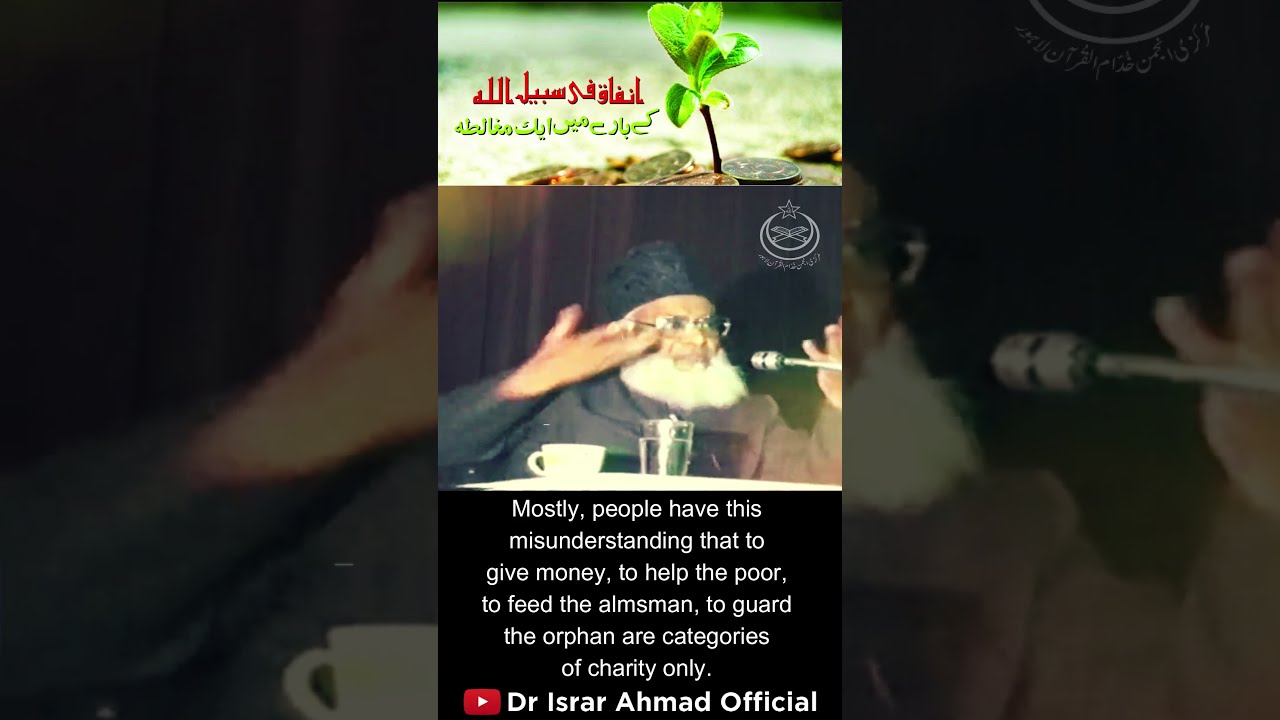
The term ‘Infaq’ in the Quran differs from general charity. It’s not limited to helping the poor, orphans, or the needy. Infaq specifically refers to spending in the way of Allah – for the propagation, elevation, and establishment of the religion. This spending, considered a loan to Allah, fuels the struggle for Islam's dominance. Supporting relatives is a personal obligation, while investing in the religion is a direct loan to Allah, a debt He Himself acknowledges. This concept distinguishes between familial support and investment in faith.
95
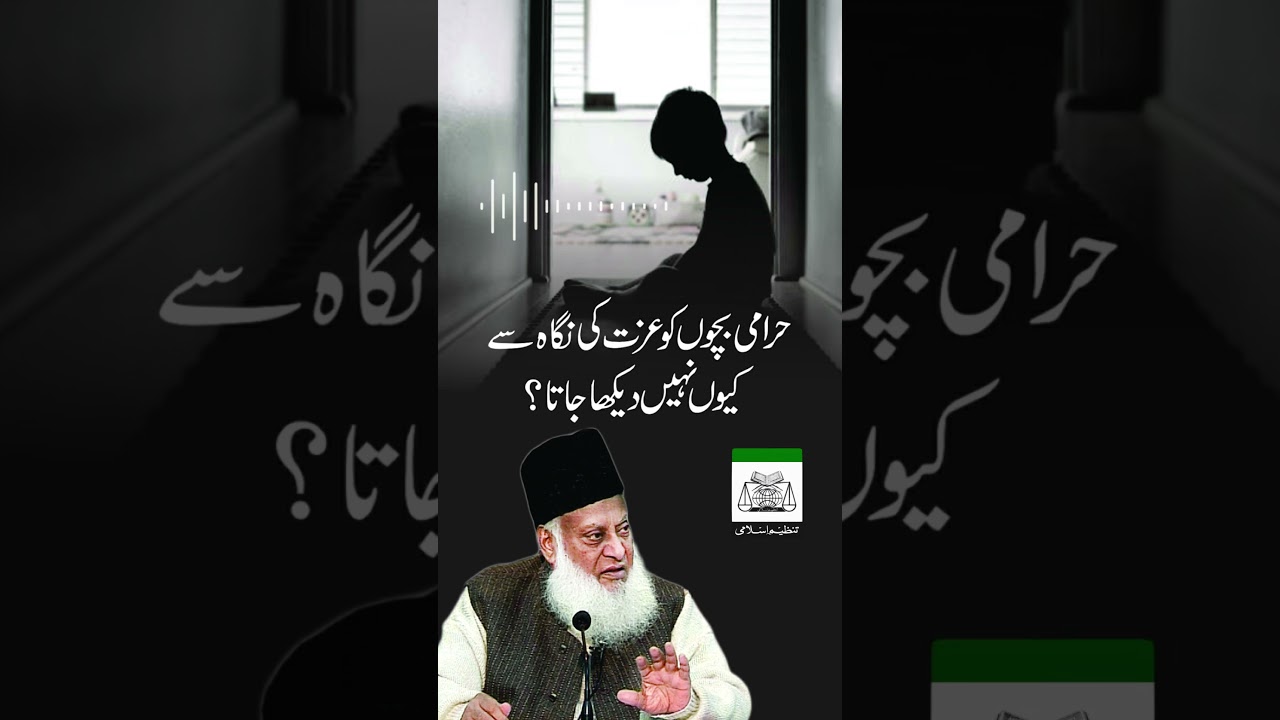
This lecture addresses the rights and societal treatment of children born out of wedlock in Islam. It firmly states that such children bear no guilt for the actions of their parents and should be treated with the same respect and dignity as any other child. The speaker emphasizes that these children are considered relatives (mawali) and should not be stigmatized or held accountable for parental transgressions. Any wrongdoing remains the responsibility of the parents, and the child is considered innocent.
66
