Шорты
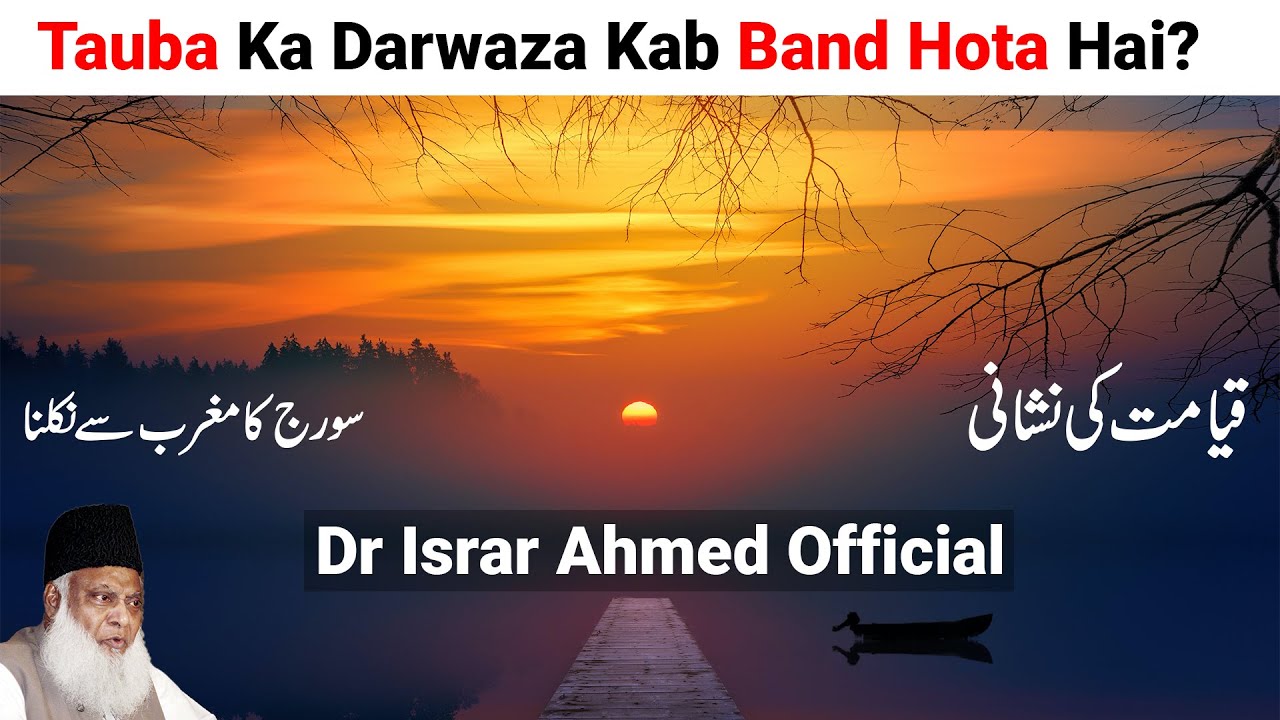
The door of repentance remains open for a considerable time, allowing individuals years to seek forgiveness. This opportunity continues until the setting of the sun from the west—a major sign of the approaching Day of Judgement. The Quran states that Allah will accept the repentance of those who turn to Him before this sign appears. Once the sun begins to rise from the west, the door of repentance will be closed, and any subsequent repentance will not be accepted. This emphasizes the urgency of seeking forgiveness while time remains.

62

Every action, no matter how small or large, is recorded in the knowledge of Allah. Each word uttered is also within His awareness. Therefore, even the weight of an atom of good will be witnessed, and similarly, the weight of an atom of evil will also be seen. This emphasizes complete accountability for all deeds, encouraging mindful action and discouraging wrongdoing.
63

This lecture details Allah’s promises to those who uphold faith and righteous deeds: establishing them as successors on Earth, granting dominance to their religion, and replacing fear with security. It emphasizes the historical precedent of prophets like Dawood (David) receiving divine support and leadership, and applies this promise to the Muslim community, highlighting the eventual triumph of Islam and the establishment of a secure and just governance.
66

This lecture emphasizes the religious obligation of every Muslim to strive for the establishment of the Caliphate system. It asserts that failing to do so constitutes a contradiction of faith and a disregard for divine law. The speaker criticizes a narrow focus on material possessions and worldly concerns, arguing that a true Muslim’s life should be dedicated to this essential struggle, regardless of whether their efforts are recognized or accepted by others. The lecture draws a parallel to the tireless work of past prophets, highlighting that persistent effort is key to success, even in the face of rejection.
67

This lecture addresses the pervasive issue of interest (riba) and gambling (qimar) within Pakistan’s economic system, arguing they contradict the principles of Islam upon which the nation was founded. The speaker issues a strong condemnation of these practices, stating they undermine the entire fabric of society and jeopardize spiritual well-being. He warns that continued engagement with interest-based economics will lead to divine punishment. The lecture emphasizes that even seemingly harmless activities, if reliant on interest or gambling, contribute to a systemic problem. The speaker suggests that a return to Islamic principles is crucial for societal and individual salvation.
54
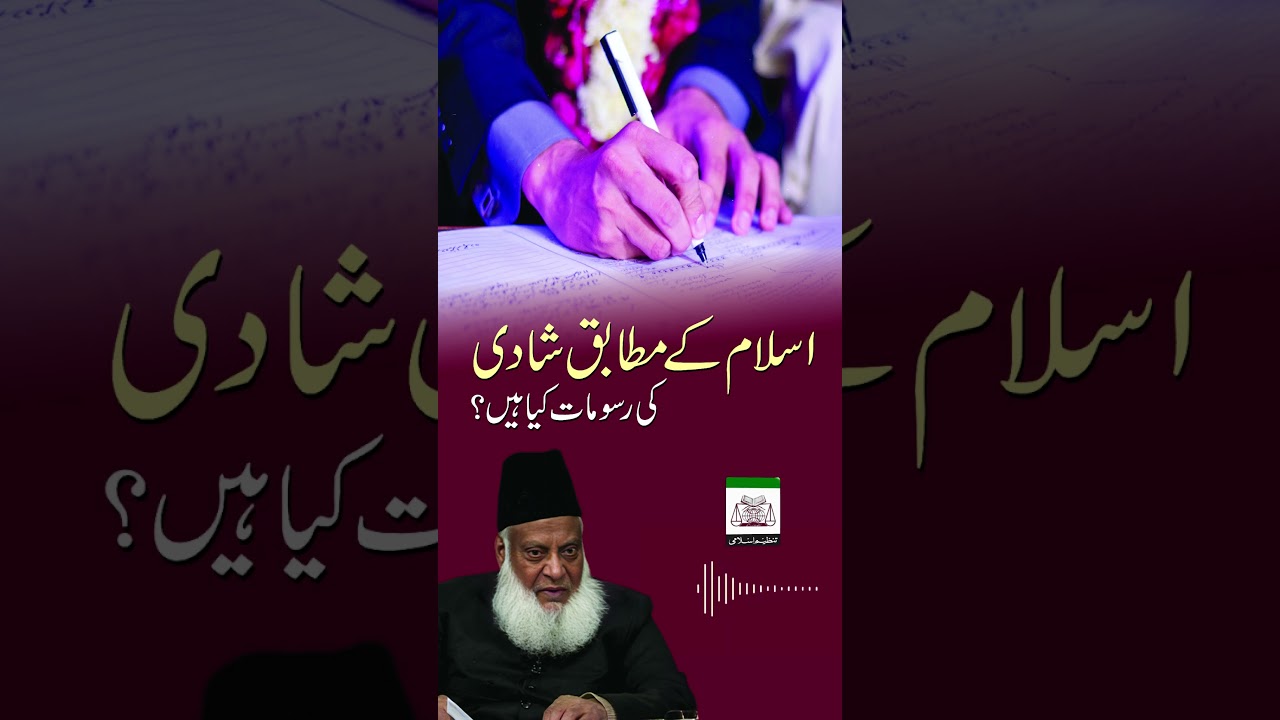
This lecture clarifies Islamic perspectives on marriage, contrasting them with prevalent Hindu customs. Islam encourages marriage ceremonies to be held in mosques, with the groom’s family hosting the celebratory feast. The bride’s family is not expected to host a separate event. Furthermore, Islam does not recognize the concept of dowry, as daughters are considered equal inheritors alongside sons, receiving their share of the family estate upon division of assets. This ensures financial security for the daughter without the need for a dowry.
66
