شارٹس
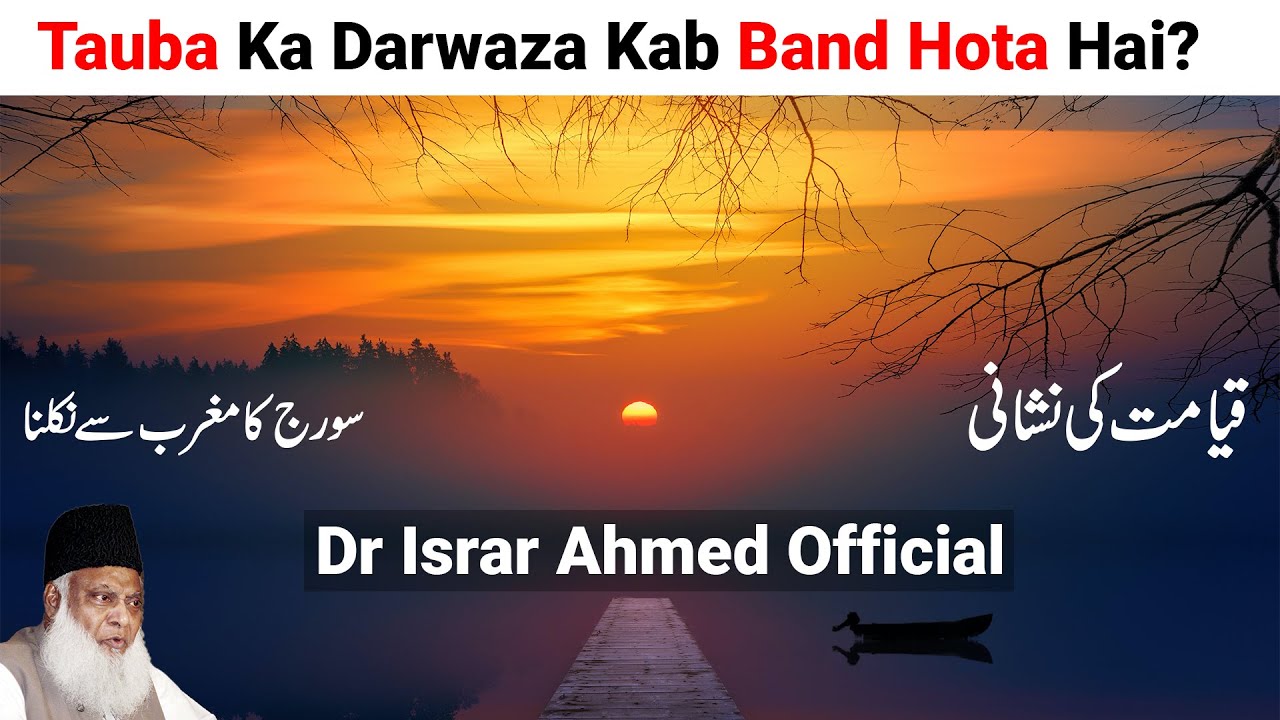
The door of repentance remains open for a considerable time, allowing individuals years to seek forgiveness. This opportunity continues until the setting of the sun from the west—a major sign of the approaching Day of Judgement. The Quran states that Allah will accept the repentance of those who turn to Him before this sign appears. Once the sun begins to rise from the west, the door of repentance will be closed, and any subsequent repentance will not be accepted. This emphasizes the urgency of seeking forgiveness while time remains.

62

The Prophet Muhammad (peace be upon him) stated that the greatest struggle is the internal battle against one's own base desires (nafs). External enemies are easier to confront; the true enemy resides within. This internal struggle, or *jihad*, against the commanding self is the most virtuous form of worship. The Prophet clarified that the most excellent form of *jihad* is striving against one’s *nafs* in obedience to God. This lecture explores the profound significance of self-discipline and spiritual refinement.
52
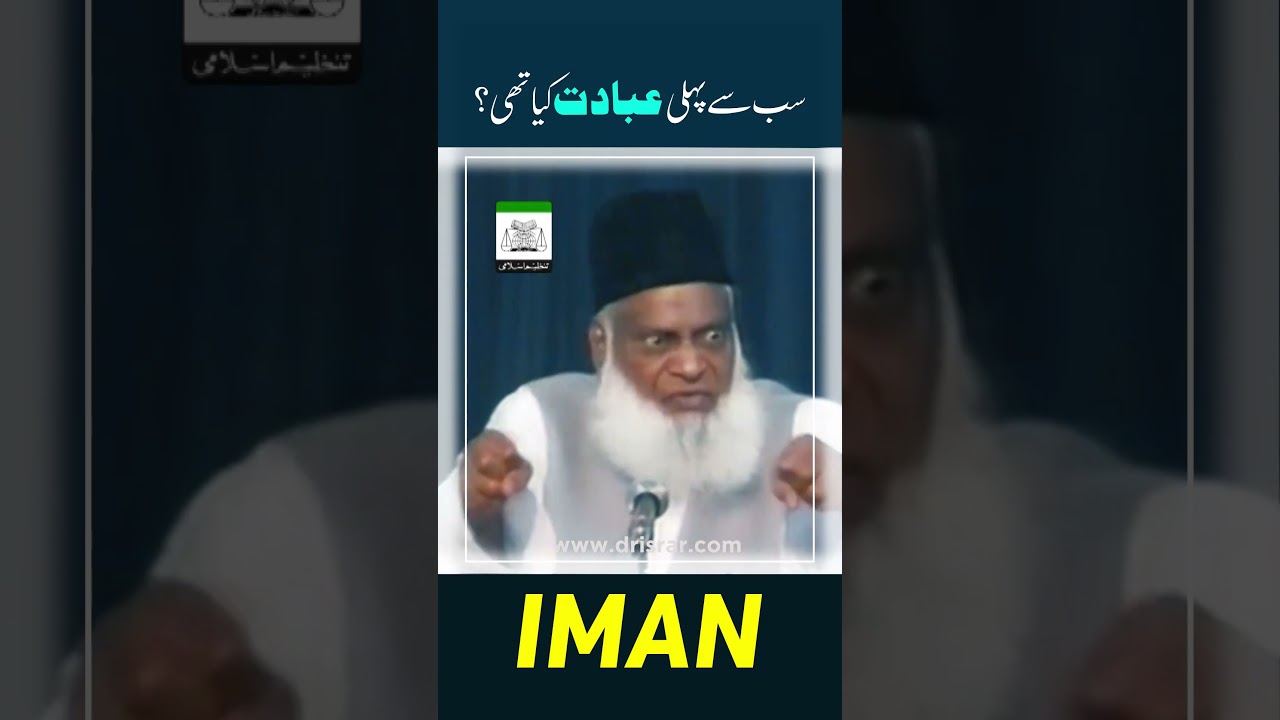
The earliest form of worship was standing in prayer at night, initially for two-thirds, then one-third of the night, with recitation of the Quran. At that time, only a portion of the Quran had been revealed. Later, during the eleventh year, five daily prayers were mandated in Makkah. Before this, practices like fasting, interest, gambling, and alcohol were not prohibited. There was no complete established Sharia law; only faith (Iman) existed.
57
The Quran is unique among scriptures in its completely preserved text. Unlike other religious texts, the Quran's original form has been consistently maintained and memorized by generations of Muslims worldwide. This preservation isn't limited to written copies; a vast community of *huffaz* (memorizers) actively maintain the text through oral tradition, with even young children capable of correcting scholars. This consistent, multi-generational safeguarding represents a fundamental aspect of the Quran's significance, acknowledged even by those who do not believe in its divine origin. The Quran's textual integrity stands as an unparalleled phenomenon among religious books.
61

The Quran emphasizes the husband's role as a protector and provider within marriage, requiring the wife’s obedience unless the command involves sin. It highlights that righteous wives are obedient to their husbands, but obedience is not required in matters of disobedience to God. Husbands are responsible for guiding their wives towards righteousness and maintaining a just and loving relationship. This lecture clarifies the rights and responsibilities within a marital bond, emphasizing the importance of mutual respect and adherence to divine guidance.
121

This lecture emphasizes that assisting others in their needs is a direct path to receiving divine help. True service isn't about expecting reward from people, but establishing a sincere connection with God. When a person dedicates themselves to God’s purpose, divine assistance is guaranteed. This assistance manifests through fulfilling essential needs – faith, certainty, and trust in God. A genuine connection with God is fostered by inner reflection and the unwavering belief that God will never abandon those who turn to Him sincerely.
52
