निकर

This lecture discusses the acceptance of repentance (tawbah) in extreme circumstances, such as terminal illness or imminent death. It clarifies that the door of repentance remains open until the final moments of life, but genuine repentance requires sincere, heartfelt emotion, not merely ritualistic recitation. The speaker emphasizes that denying someone the opportunity for repentance is inappropriate, as the Prophet Muhammad (peace be upon him) indicated its availability until death. The discussion also touches on the consequence of entering a state of unconsciousness, suggesting it may preclude the opportunity for repentance.

68

This lecture emphasizes the importance of humility and righteous actions as essential components of faith. True believers do not boast or consider themselves superior. Instead, they recognize themselves as part of the larger Muslim community and maintain a humble disposition. Just as a fruit-laden branch bends low, those blessed with good deeds should exhibit modesty. Condescension towards others negates the impact of one's message. The speaker advocates for hating sin, not the sinner, recognizing that individuals struggling with wrongdoing are in need of compassion and treatment, not condemnation. True believers show empathy and understanding towards those who err, understanding them as patients in need of care.
54
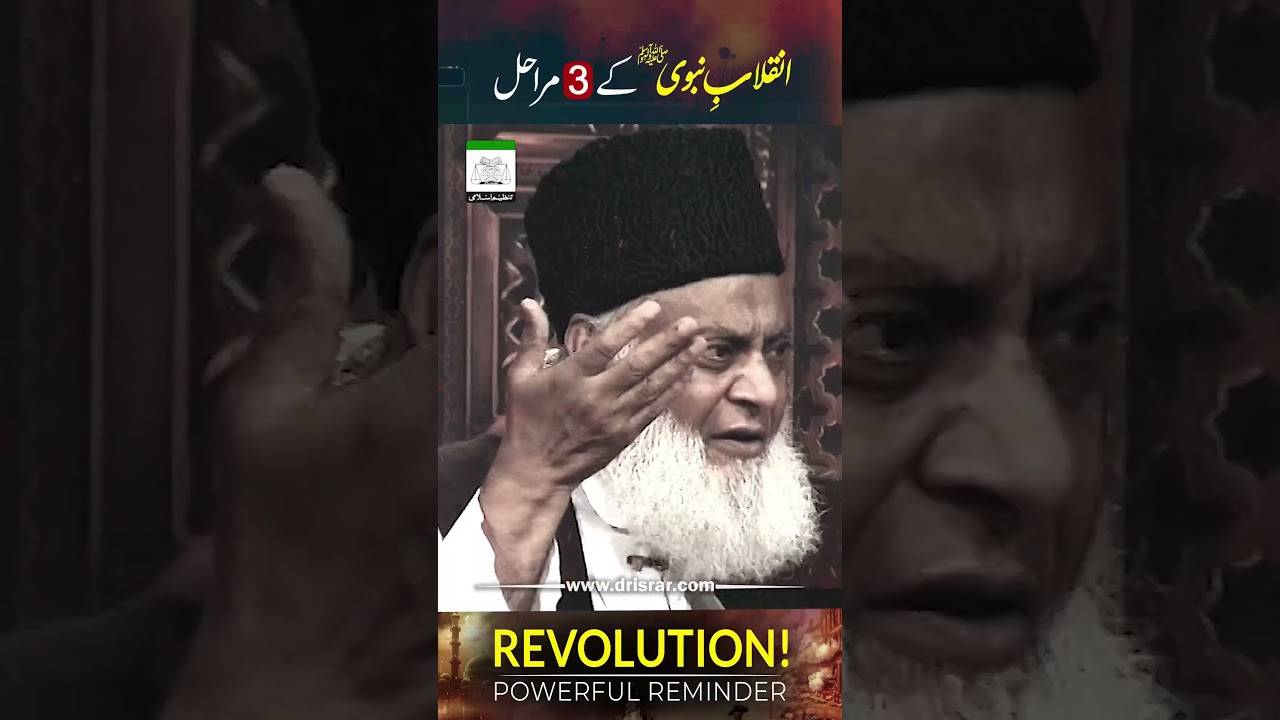
This lecture outlines a three-stage approach to societal change, emphasizing initial passive resistance and endurance of persecution. The speaker stresses avoiding violence until sufficient strength is attained, then advocates for active, non-violent challenges to the existing system. The final stage involves decisive action, guided by the example of the Prophet Muhammad. The core message is a progression from patient suffering to assertive, yet peaceful, resistance, culminating in transformative change.
42

True prayer requires a conscious awareness of standing before God. The speaker explains that a spiritually dormant soul hinders genuine connection during prayer. A soul that is suppressed, crushed, or dead cannot facilitate a meaningful dialogue with the Divine. Even if one observes all the rituals of prayer – the five daily prayers, adopting a pious appearance – these acts are ineffective without a revived, communicative spirit. The speaker emphasizes that a connection with the Divine is established through the awakening of the soul and a direct, heartfelt conversation with God.
54

True servants of God walk with humility on Earth. This entails a gentle gait, lowered gaze, and a modest demeanor. They avoid arrogance, forceful strides, and any display of pride. Their movement is characterized by grace, composure, and a mindful awareness of their position before God. This manner of walking reflects inner piety and a recognition of God’s blessings.
68

This supplication, recited by Prophet Moses (peace be upon him), seeks divine assistance in fulfilling the challenging task of delivering a message. It requests an expansion of the heart, facilitation of affairs, and removal of speech impediments. The prayer emphasizes the importance of clear communication to ensure the message is understood by all. This dua is essential for anyone involved in da’wah or conveying a message, as it addresses the core need for effective and understandable articulation.
51
