Quần short
This lecture explores the concept of free will and its implications. Humans experience freedom in this world, but are accountable for their actions. The material laws of this world do not immediately punish wrongdoing, creating a false sense of impunity. However, the ultimate return is to God, where every deed, no matter how small, will be accounted for. Those who perform even a speck of good will find it before them, and those who commit even a speck of evil will also face its consequences. This emphasizes divine accountability and the importance of righteous conduct despite the apparent lack of immediate consequences.

62
Islamic law grants men the right to initiate divorce independently, while women’s options are more limited. Women can seek divorce through negotiation, offering compensation, appealing to a court, or requesting intervention from family elders if they face injustice or incompatibility. However, a woman cannot unilaterally initiate divorce as a man can. The lecture clarifies this disparity within the framework of Islamic jurisprudence.
128
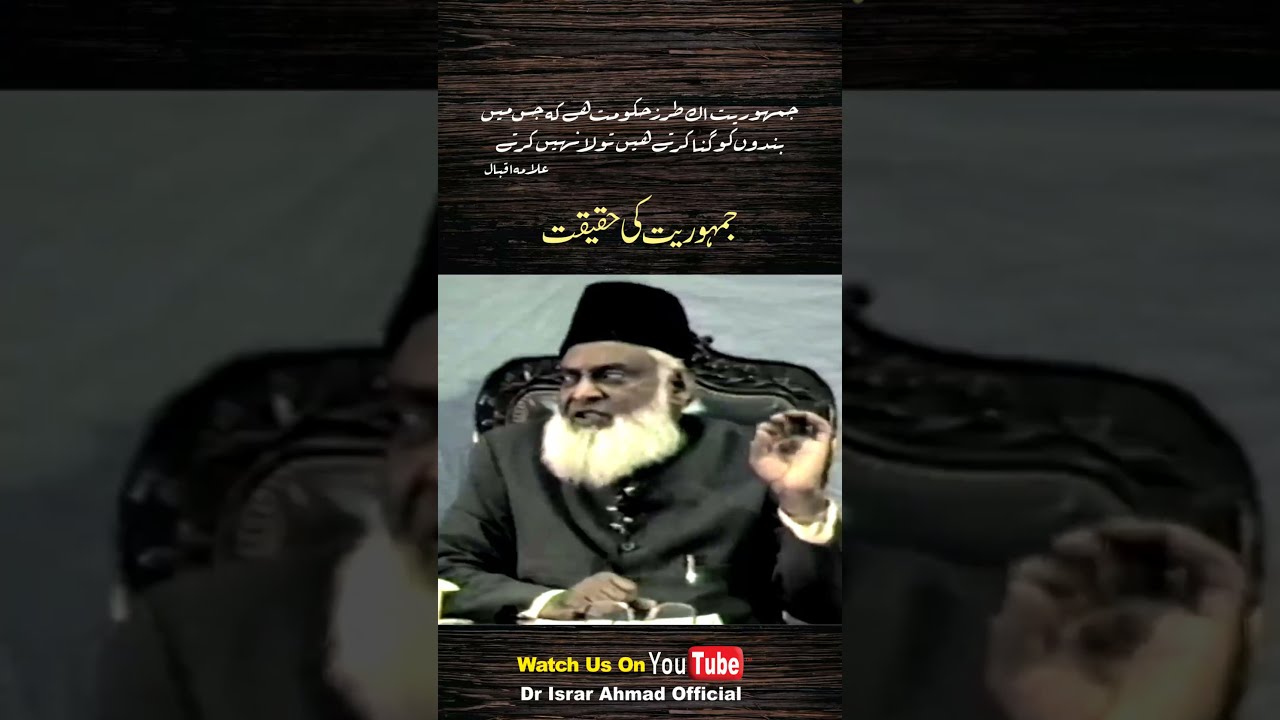
This lecture analyzes the concept of democracy, arguing that current systems, particularly in America, are not true representations of popular will but rather disguised forms of dictatorship controlled by capital. The speaker contends that true democracy can only exist when economic justice is established, allowing citizens to make informed decisions free from the influence of wealth. The current electoral process is likened to a mere formality, a ‘slip’ of paper in the hands of the common man, manipulated by powerful financial interests. The lecture emphasizes that genuine democracy requires equitable economic opportunities for all citizens, empowering them to exercise their political agency meaningfully.
65
Historically, the prevailing scientific understanding, rooted in Newtonian physics, posited an eternal and indestructible universe. However, modern physics has established that the universe had a definite beginning, known as the Big Bang. This event, occurring billions of years ago, marked the creation of the universe from an extremely dense and hot state. This represents a fundamental shift in cosmological understanding.
68
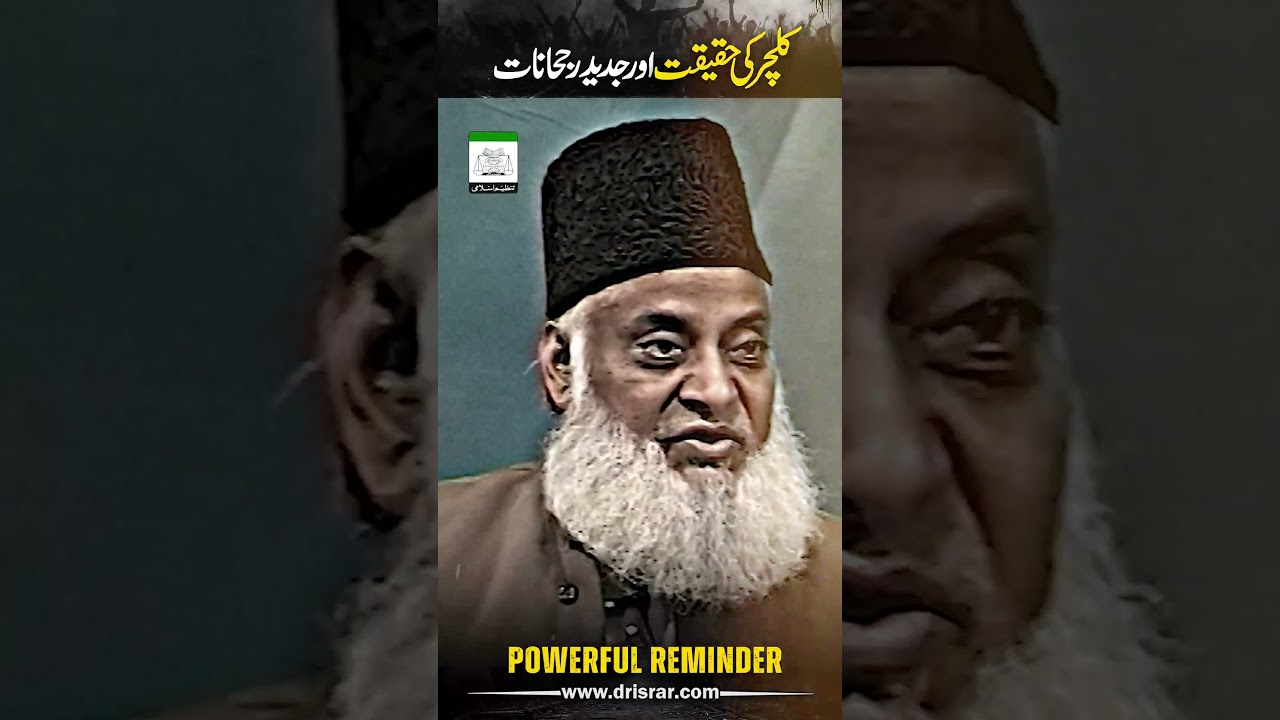
Dr. Israr Ahmad discusses the pervasive influence of immoral culture and its detrimental effects on society. He highlights how obscenity is being normalized and propagated through media, infiltrating even private homes. The lecture emphasizes the urgent need to recognize and address this growing crisis, as it threatens the moral fabric of communities and families. Dr. Ahmad critiques the deceptive branding of immorality as something acceptable, and warns against its insidious spread.
75
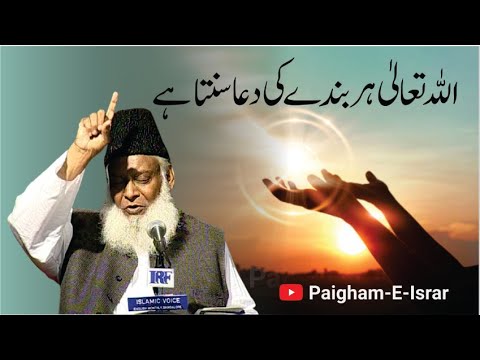
This lecture emphasizes that prayer (dua) is the core of worship. God hears and responds to every sincere call, irrespective of the supplicant’s location or posture. God accepts prayers offered from any place, whether at home or elsewhere, and responds to those who turn to Him with devotion. The essence of faith lies in maintaining a constant connection with God through heartfelt supplication.
64
