निकर
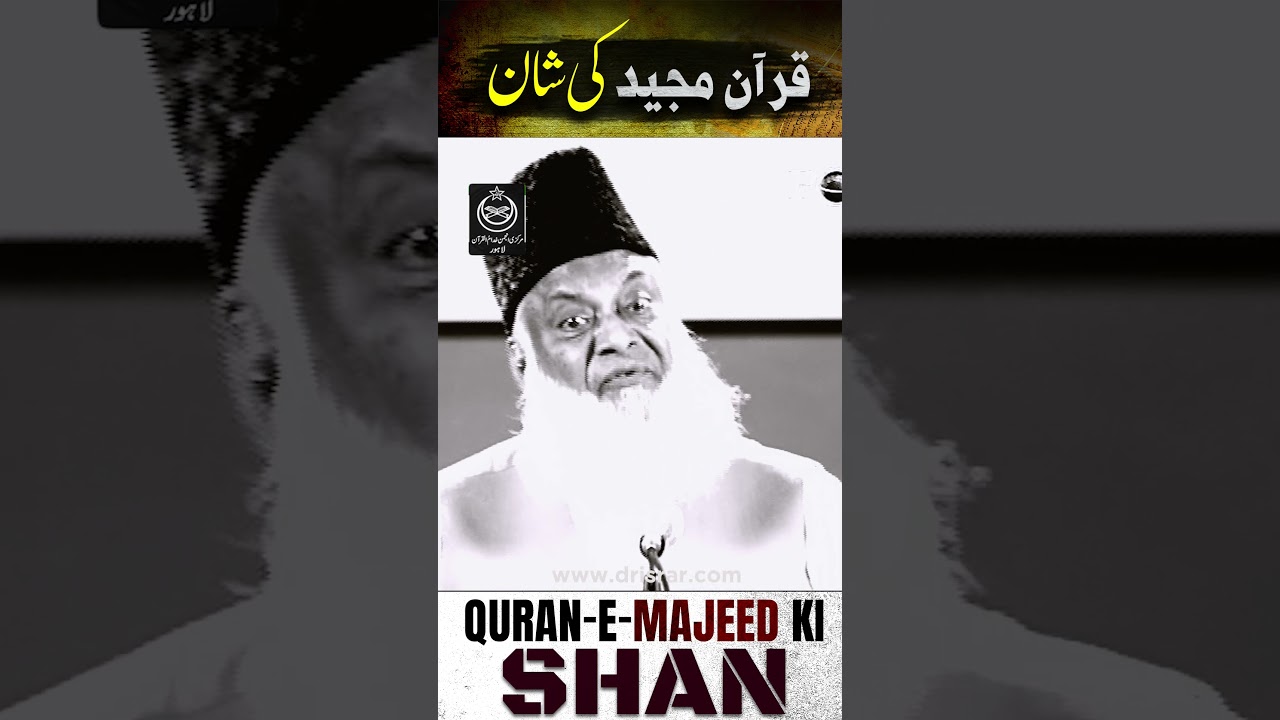
This lecture emphasizes that genuine access to the essence of the Quran is only possible through self-purification. The speaker highlights a lament about humanity’s disregard for this immense blessing – neglecting to read, understand, implement, or make the Quran a guiding principle in life. Instead, many actively reject it, shaping their own unfortunate destiny through denial. The core message is a call to prioritize internal purification to unlock the true meaning and benefits of divine revelation.

114
The lecture discusses the practice of adorning sacrificial animals with silk cloths and parading them, deeming it a display of wealth rather than a spiritually meaningful act. True sacrifice, it emphasizes, should stem from inner piety and submission to God. The speaker highlights that genuine devotion lies in humility and sincere worship, referencing the verse encouraging the Prophet to give glad tidings to those who are humble before God. The focus is on the internal state of the worshiper, not outward show.
50
The Quran describes a day of immense hardship, 'Yaum-e-Farar,' where individuals will prioritize self-preservation above all else. On this day, familial and societal bonds will dissolve as people flee from loved ones—siblings, parents, spouses, and children—driven by intense fear and a desperate desire for personal salvation. The text highlights the complete breakdown of relationships and the overwhelming self-interest that will characterize this day of reckoning, where individuals will solely focus on escaping divine punishment.
88

All praise and gratitude ultimately belong to Allah, as He is the source of all blessings. Expressing gratitude to others is permissible, but one must remember that the ability to give, and the gifts themselves, originate from Allah. Failing to acknowledge this ultimate source is a form of ingratitude. The Prophet Muhammad (peace be upon him) emphasized that those who do not thank people do not thank Allah. Therefore, gratitude towards others should be coupled with the understanding that all goodness comes from Allah.
22
This lecture details the signs and characteristics of the Dajjal, a figure in Islamic eschatology. It describes his immense power, including the ability to resurrect the dead, manipulate perceptions, control weather, and traverse vast distances instantaneously. The Dajjal will claim divinity and perform miracles, attracting followers through illusions and false promises. He will possess complete dominion over the universe and demonstrate his power by splitting a person in two and then restoring them. This bayān explains these prophecies as detailed in hadith.
61
This lecture elucidates the profound depth of Ghalib’s poetry, asserting it transcends mere artistic expression to become a vessel of divine communication. The speaker argues that each word chosen by Ghalib is deliberate and laden with meaning, functioning as a key to unlocking a treasury of wisdom. He draws parallels between Ghalib's verses and the Quran, emphasizing the significance of every letter and its connection to knowledge, philosophy, and spiritual insight. Ghalib’s poetry is presented not as exaggeration, but as a carefully constructed system of symbolic representation, revealing layers of hidden truths and divine guidance.
60
