Şort

A true believer's purpose is to proclaim the greatness of their Lord. This isn’t merely reciting ‘Allahu Akbar,’ but understanding and embodying the declaration of God’s supremacy and uniqueness. The continuous remembrance of God, whether through glorification or worship, permeates all of creation – from the expanse of the universe to the smallest particle. This constant declaration of divine greatness, and the fulfillment of it through action, is what defines a righteous life. Failing to align words with deeds invites divine displeasure. The video explores this concept with reference to the verse highlighting the severity of hypocrisy.

60
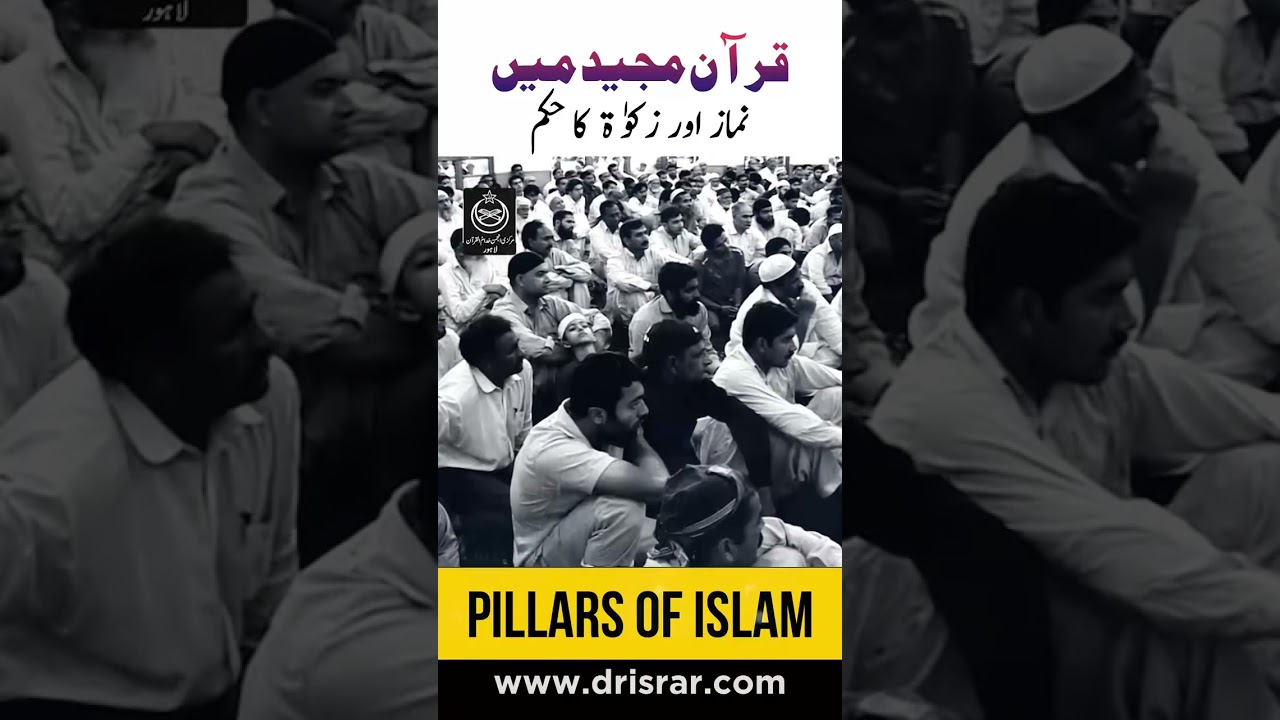
The Quran places significant emphasis on the performance of Salah (prayer) and Zakat (charity), repeatedly outlining their importance. While instructions regarding fasting and Hajj are present, the Quran dedicates numerous verses to Salah and Zakat. The complete rulings on fasting are concentrated within six verses of Surah Baqarah, while mentions of fasting elsewhere primarily relate to expiation. Fasting, as an independent pillar of Islam, lacks the same consistent, detailed emphasis as Salah and Zakat throughout the Quran.
67
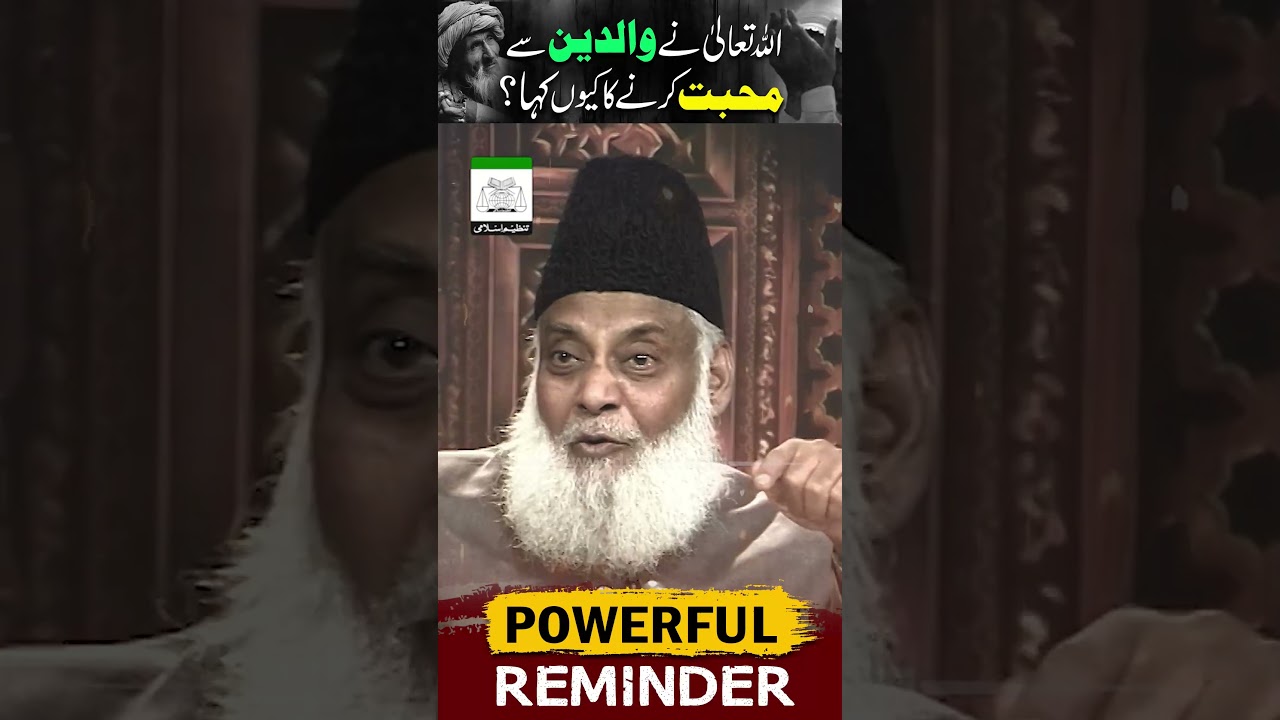
The natural progression of love shifts throughout life. Initially, a child's love is wholly focused on their parents due to dependence. As individuals mature, marry, and have children, the sphere of their affection expands, inevitably diminishing the exclusivity of parental love. Maintaining a strong connection with parents requires conscious effort and is considered a divine command. This lecture explains that prioritizing parental affection isn't automatic; it's a deliberate act of obedience to God’s will and a demonstration of gratitude for their sacrifices. It is a reminder to treat parents with kindness and respect, recognizing that fulfilling this obligation is not merely a natural impulse but a religious duty.
66

This lecture clarifies the dangers of associating guardianship (wilaayat) with anyone other than Allah. It explains that basing friendships on expectation of future favors and performing wrong deeds for a friend’s sake, based on the hope of reciprocal help, is a flawed concept. True guardianship belongs to Allah alone; attributing it to others constitutes shirk. The speaker emphasizes that relying on someone's weakness or need for assistance as a basis for a relationship creates a dependency that contradicts the true meaning of devotion to Allah.
56
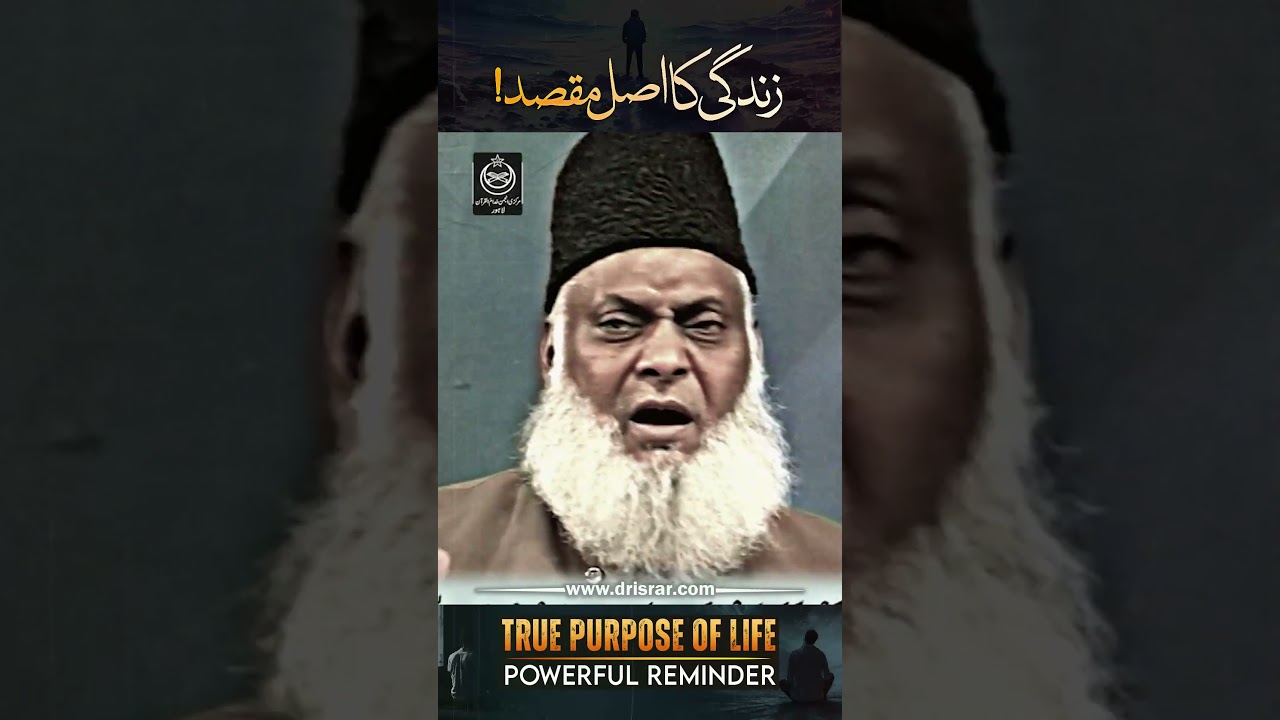
This reflection contemplates the human condition, questioning the meaning of existence beyond mere biological survival. It explores the stages of life – childhood, adolescence, youth, and old age – and asserts that true life transcends this temporary physical realm. The speaker posits that our earthly existence is a brief, evaluative period—a test—within a larger, eternal reality. This life is not the entirety of being, but a small segment, a temporary pause before returning to a perpetual, youthful existence. The core message is that the purpose of life lies beyond this transient world, within a spiritual and enduring context.
65

This lecture emphasizes the importance of fulfilling obligations to God and humanity. It stresses standing firm for justice and truth, and adhering to divine guidance as outlined in the Quran and previous scriptures. The speaker highlights the interconnectedness of rights – those owed to God, the Prophet, and fellow human beings. A crucial aspect is the responsibility to understand and reflect upon the scriptures received, particularly the Quran, Torah, and Gospel, and to act upon their teachings. The message underscores that true communication with God requires commitment to justice and adherence to revealed knowledge.
72
