Corti

This excerpt emphasizes the dangers of arrogance and pride. It highlights that boastful behavior and walking with conceit are displeasing to God. The passage explains that outward displays of power and attempts to assert dominance are ultimately futile and cannot elevate one to true greatness. True worth lies not in outward show, but in humility and recognizing one's limitations. This message reinforces similar teachings found in Surah Bani Israil, and underscores that material power and self-importance are insufficient to achieve spiritual elevation.

116
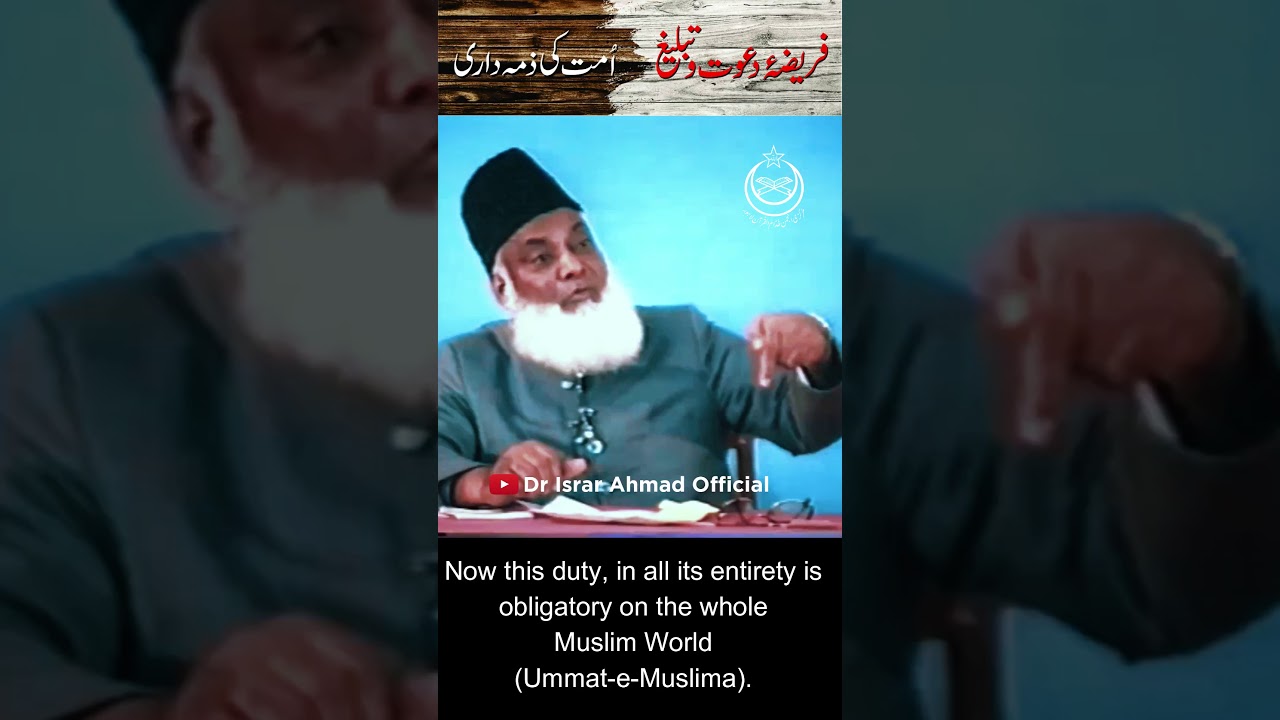
This lecture emphasizes that propagating the message of Islam is no longer the sole responsibility of prophets, but a collective obligation incumbent upon the entire Muslim community. It argues that Muslims must actively convey the faith through their actions and outreach, becoming living examples of its principles. Failure to do so will result in a negative testimony on the Day of Judgment, with the community being held accountable for not upholding the legacy of the Prophet. The speaker stresses that establishing a clear argument for faith before all of humanity is a fundamental duty, requiring dedication of resources and abilities to effectively spread the message of Islam.
219

Musab bin Umar, a young man raised in luxury, faced ostracism when he refused to renounce his faith after his father’s death. His mother, unable to defy her brother, the head of the family, was forced to comply with the uncle’s decree that Musab forfeit his inheritance and leave the house. The uncle, angered by Musab's adherence to his father’s religion, demanded he relinquish all property acquired through his father's wealth. Musab accepted the exile, even removing the clothes he wore, which were purchased with that wealth, before leaving his home. This demonstrates a powerful commitment to belief and principle.
64
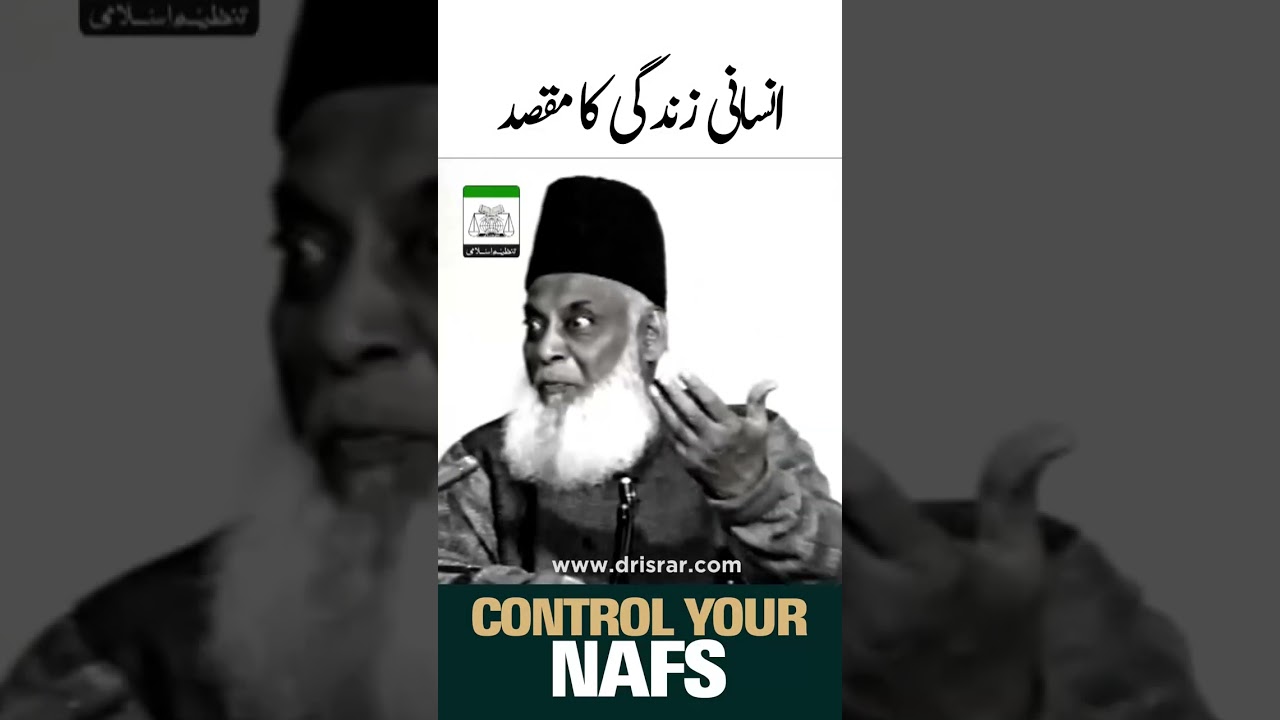
To achieve any goal, one must control their base instincts and desires. Without self-discipline, life is reduced to a mere animalistic existence. A true human is defined by purpose, striving, hard work, sacrifice, and enduring hardship. Those who live without a defined purpose simply have life pass them by, falling below even the level of animals. The Quran, in Surah A'raf, compares such individuals to livestock, and even worse, as animals are created for a specific purpose, while these individuals squander their human potential.
78
The Prophet Muhammad is presented as the greatest benefactor of humanity, enduring significant hardships throughout his life. The text emphasizes that offering prayers (salutations) upon him is a means of acknowledging his virtues and receiving divine reward. It highlights the importance of recognizing his exemplary character and the blessings associated with remembering him.
256
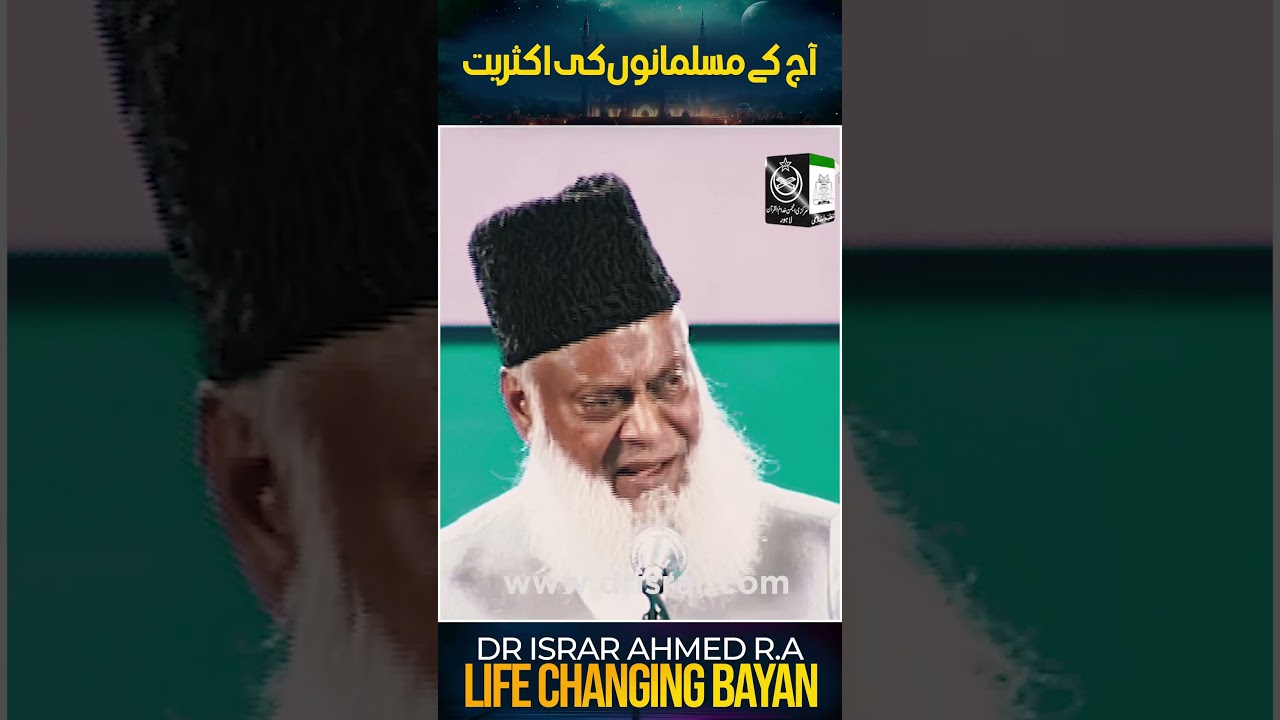
The vast majority of Muslims today lack true faith, with only a small fraction embodying genuine belief. This lecture highlights a pervasive disconnect between professed belief and actual practice, particularly regarding adherence to Quranic principles. Many prioritize worldly concerns and are fixated on death without acknowledging the reality of the afterlife as the true life. The speaker emphasizes a critical contradiction: professing belief in the Quran while simultaneously engaging in prohibited practices like usury, demonstrating a lack of genuine faith in divine commandments.
74
