শর্টস

This lecture elaborates on Surah Al-Asr, emphasizing that humanity is in loss except for those who believe, perform righteous deeds, encourage truthfulness, and practice patience. It details the conditions for escaping this universal loss, highlighting the importance of faith, action, and moral character. The surah serves as a timeless reminder of accountability and the path to success in this life and the hereafter. Dr. Israr Ahmad meticulously analyzes each verse, providing insightful commentary on its meaning and application to contemporary life. The discussion focuses on how to achieve a balanced life grounded in faith and good deeds, and the consequences of neglecting these principles. It underscores the need for individual and collective responsibility in upholding truth and practicing patience in the face of adversity.

59
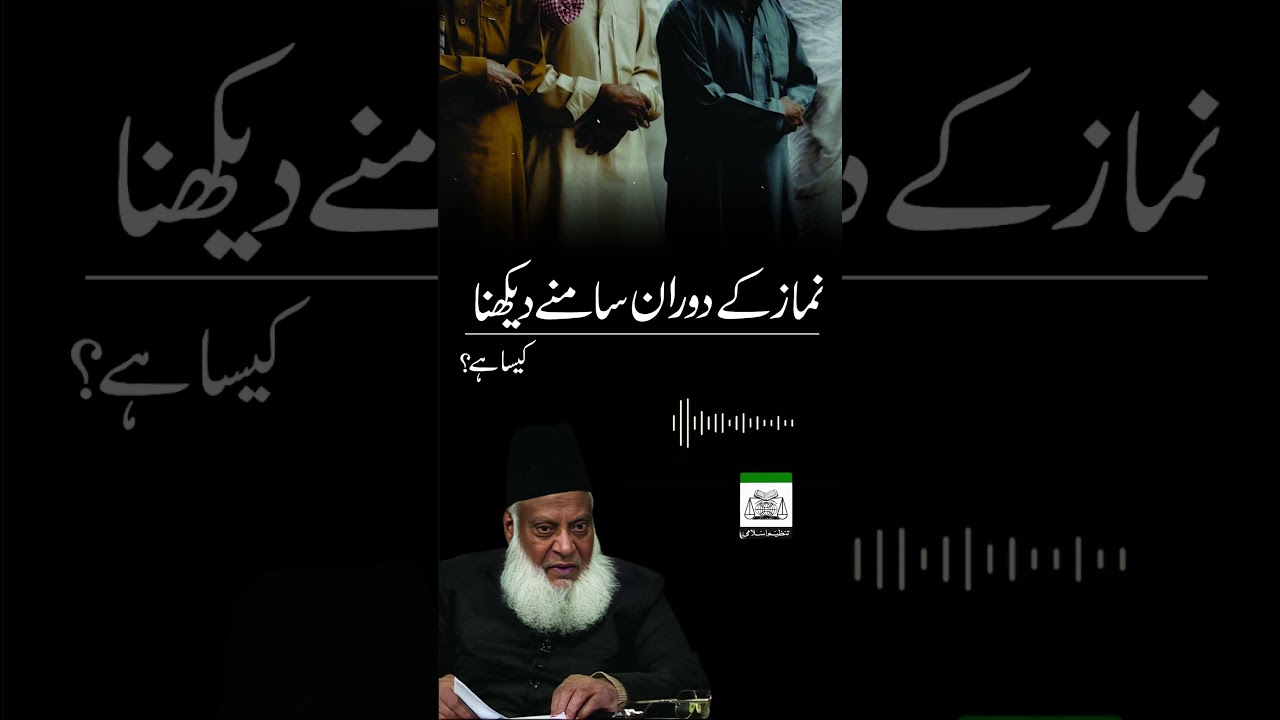
During standing in prayer (namaz), it is permissible to look at the mosque wall or generally around. The gaze should remain focused on the spot where one prostrates. Raising the head and looking around or upwards at the sky is strongly discouraged. Maintaining focus on the prayer spot is essential for proper concentration and devotion.
90

This lecture explores a stanza from the poem 'Sam-e-Hayat,' interpreting its metaphorical connection between the rhythm of a military funeral procession and the beating of one’s own heart as a measure of time approaching death. The speaker explains that each beat of the drum in the funeral procession brings the coffin closer to the grave, mirroring how each heartbeat brings an individual closer to their final destination. The poem's imagery highlights the transient nature of life and the inevitability of death, urging reflection on mortality.
86

Dr. Israr Ahmad discusses the enigmatic figure of Zul-Qarnain mentioned in the Quran. He explores the possibility that Zul-Qarnain may be connected to the historical figure of Gautama Buddha, noting the lack of detailed information about Zul-Qarnain in both the Quran and Hadith. He suggests a link based on geographical references within Surah Al-Kahf and the story of a prince from Kapilavastu. Dr. Ahmad acknowledges the potential for later interpretations and additions to Buddha’s teachings, similar to those surrounding Jesus Christ, while also pointing out a possible consistency between the core principles of all prophets of God. He emphasizes the need for critical analysis and understanding of historical and religious figures.
68

Fasting cultivates self-control by imposing restrictions not only on prohibited things but also on permissible enjoyments. This practice aims to develop restraint throughout the year, extending beyond the month of Ramadan. The purpose of these limitations is to foster discipline and the ability to control one’s desires and impulses, even when not explicitly forbidden, leading to a strengthened will and self-governance. This self-control is the primary wisdom behind the practice of fasting.
74
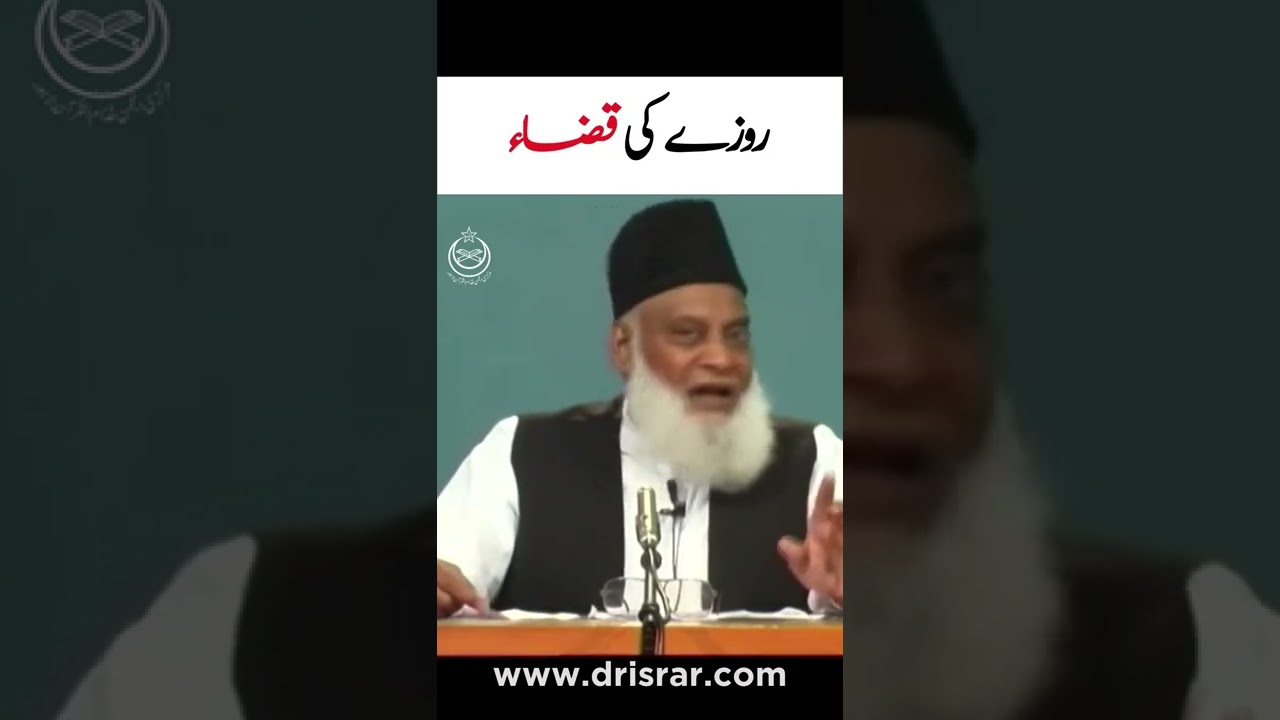
This lecture clarifies the obligation to make up missed fasts (qaza) due to illness or other valid reasons. It distinguishes between those who are medically unable to fast and those who are capable, emphasizing that healthy individuals must fulfill their obligation by fasting. The discussion also covers the permissible form of compensation (fidyah) for those with permanent, incurable illnesses or conditions where fasting poses a significant health risk. It details that providing a meal to a needy person can serve as fidyah in specific cases, but is not a substitute for fasting when one is able.
127
