Pantalones cortos
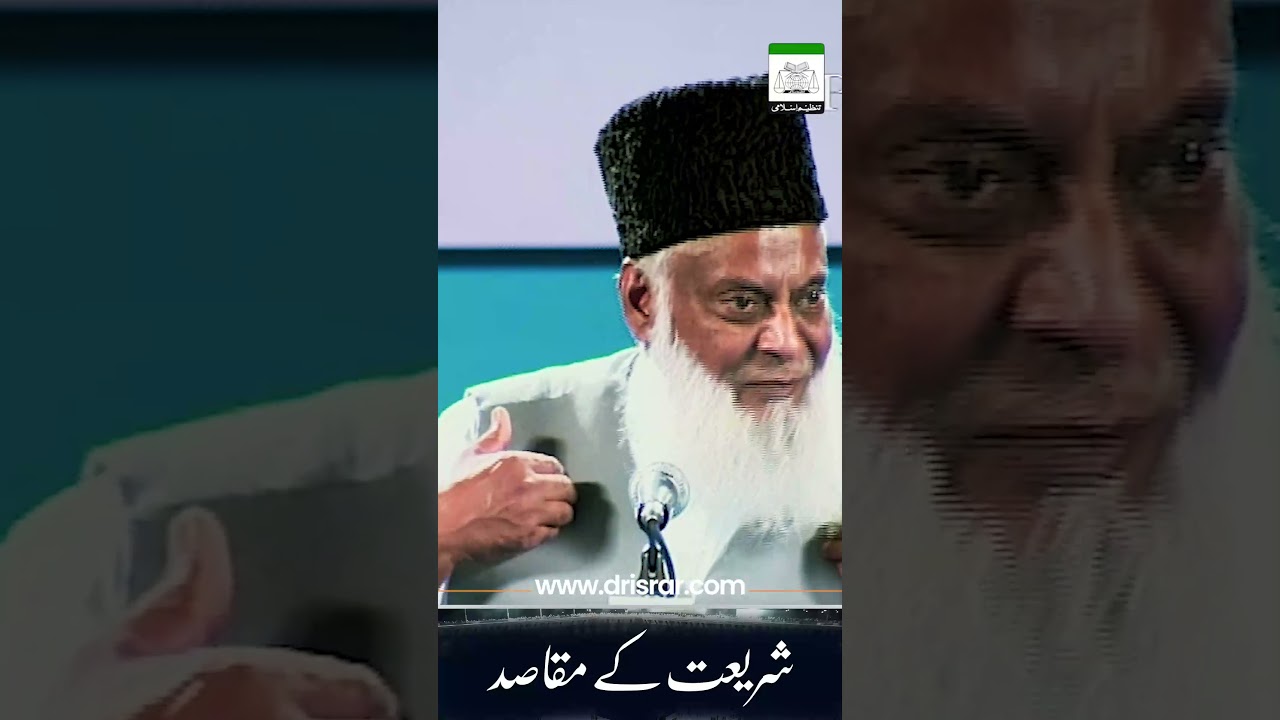
This lecture emphasizes that the completion of divine law through the Prophet Muhammad (peace be upon him) necessitates adherence for personal growth and fulfillment. It clarifies that Islamic law is not a burden but a guide for navigating life’s challenges, using the analogy of road signs on a dangerous mountain path. These signs, like the tenets of Shariat, are preventative measures designed to ensure safety and lead individuals towards the purpose for which they were created by God. The speaker highlights that restrictions within Shariat are not arbitrary, but rather safeguards for one’s wellbeing and spiritual development.

58

The speaker clarifies a common misinterpretation of the phrase “fear God.” He argues that the original meaning is not fear of a terrifying entity, but rather a fear of disobeying Allah and failing to meet His expectations. This fear is akin to a dutiful son’s concern about disappointing his father. True reverence for Allah involves avoiding actions that would displease Him and fulfilling the hopes He has for His creation. The speaker emphasizes Allah's attributes of mercy and love, contrasting them with the notion of a fearsome God. This fear should motivate obedience and a striving to please Allah, not a paralyzing dread.
77

This lecture explores the limits of human understanding regarding the unseen world (Ghaib) and the afterlife. It emphasizes that certain aspects of these realms, such as the exact nature of punishment or what occurs after death, are beyond our complete comprehension. The speaker stresses the importance of accepting what has been revealed in the Quran and Sunnah regarding these matters through faith, rather than attempting to delve into details that are intentionally concealed. The lecture clarifies that belief in the unseen is a condition for benefiting from the guidance of the Quran, and highlights the experience of the deceased hearing the sounds of those departing after burial, as mentioned in Hadith. True understanding will only be revealed in the afterlife.
47

Dr. Israr Ahmad analyzes the Tablighi Jamaat's methodology, asserting its primary appeal is emotional rather than intellectual. He explains how the movement quickly attracts individuals through emotional connection, then immerses them in a new environment for varying periods – three days, four months, or longer – to cultivate a specific mindset and temperament. He emphasizes the airtight logic within their methodology, designed to instill positive intentions and commitments, even if fleeting. The speaker highlights their persuasive tactic of encouraging pledges and intentions, creating a sense of obligation. He notes the group’s effectiveness in securing initial commitments, even if they are not long-lasting.
75

This lecture explains that seeking refuge in Allah is a natural human response to fear, mirroring a child's instinct to run to their mother for safety. The speaker draws a parallel between finding solace in a mother's embrace and finding guidance through connection with Allah. True guidance lies in clinging to Allah, as stated in the Quran, leading one to the straight path. The lecture emphasizes that Allah is the ultimate protector, supporter, and helper, offering strength and security. Connecting with Allah provides unwavering support and direction in life.
72

Dr. Israr Ahmad comprehensively explains the profound concept of *tazkiya* (self-purification) as outlined in the Quran. He breaks down the process into four essential stages: purification of thought (*tathir-e-fikr*), purification of the *nafs* (lower self), purification of the heart (*tasfiya-e-qalb*), and illumination of the soul (*tajalliy-e-ruh*). He emphasizes that true progress requires removing obstacles to spiritual growth, addressing both internal and external influences. The lecture highlights the Quran as the primary tool for *tazkiya*, detailing how it affects the intellect, the heart, and the soul. Dr. Ahmad draws parallels between the Quran's wisdom and the purification process, explaining how its verses resonate with the human spirit. He concludes by referencing the teachings of Iqbal and Hadith, further illustrating the importance of confronting and reforming the inner self, and how the Quran can transform an individual’s life.
175
