מִכְנָסַיִים קְצָרִים
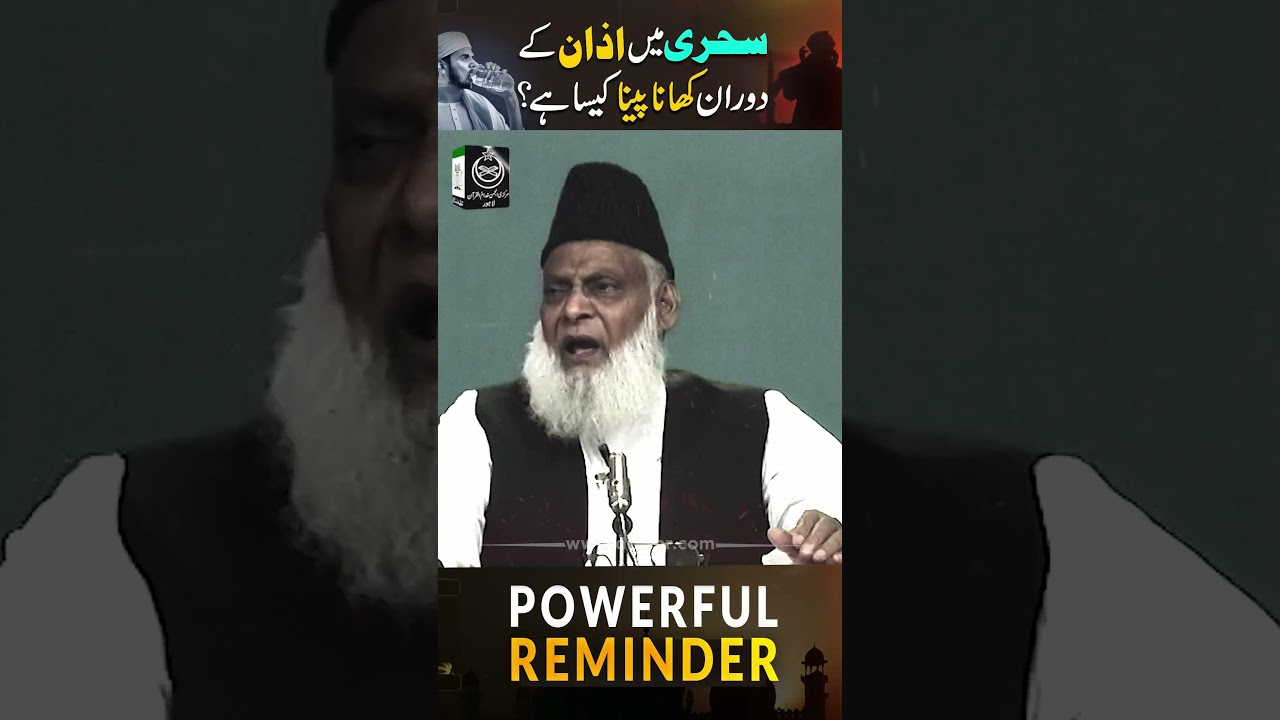
The lecture discusses the Prophet Muhammad's guidance regarding the timing of Suhoor (pre-dawn meal) and Iftar (breaking of the fast). He discouraged excessive caution and rigidity in observing the timings, emphasizing ease and flexibility. The Prophet allowed individuals to finish their meals even after the call to prayer for Fajr, promoting a balanced approach to religious observance. The principle of prioritizing ease over difficulty, as stated in the verse concerning permissible limits for fasting until the white thread distinguishes itself from the black, is highlighted. This approach promotes a spiritual practice that is accessible and sustainable.

54
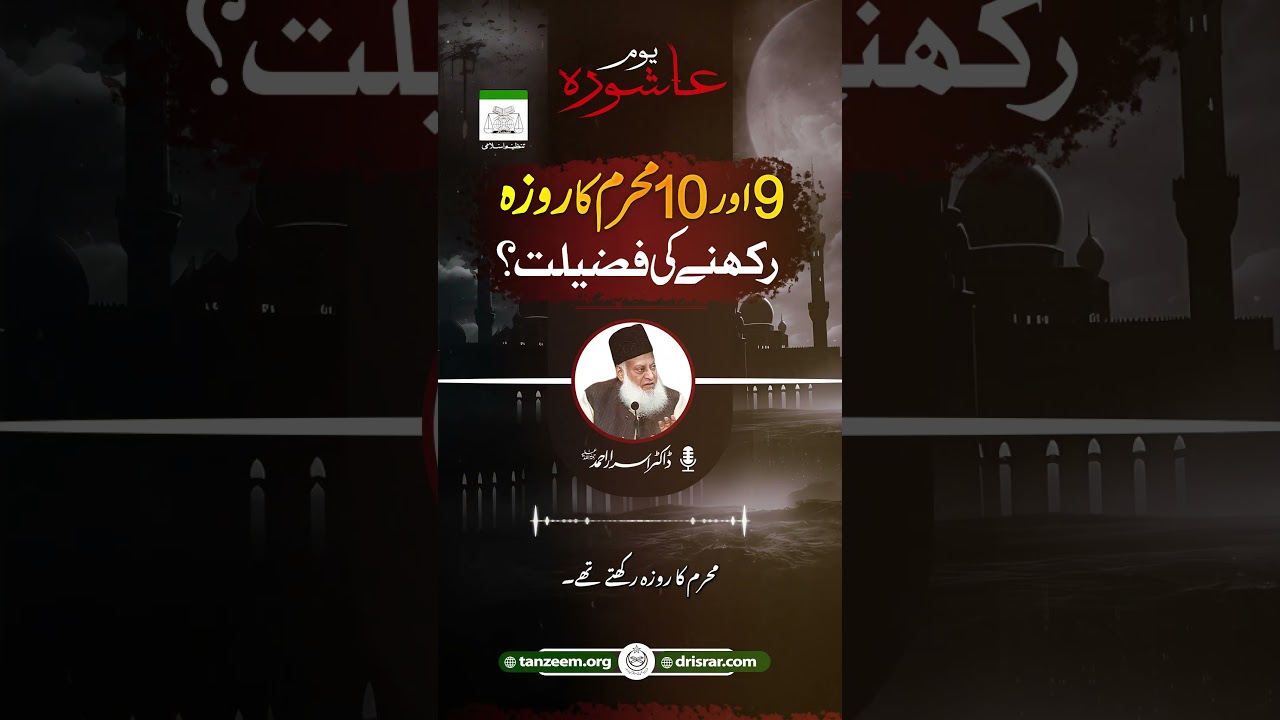
The observance of fasting on the 9th and 10th of Muharram is a recommended practice. It originated from the Prophet Muhammad’s desire to distinguish the Muslims from the Jewish community of Medina, who fasted on the 10th of Muharram commemorating their liberation from Pharaoh. The Prophet, acknowledging a stronger connection to Moses, instructed his companions to fast for two days – the 9th and 10th – instead of one. While not obligatory, this practice holds significance as a voluntary act of worship and a demonstration of the Muslim community's unique identity.
95
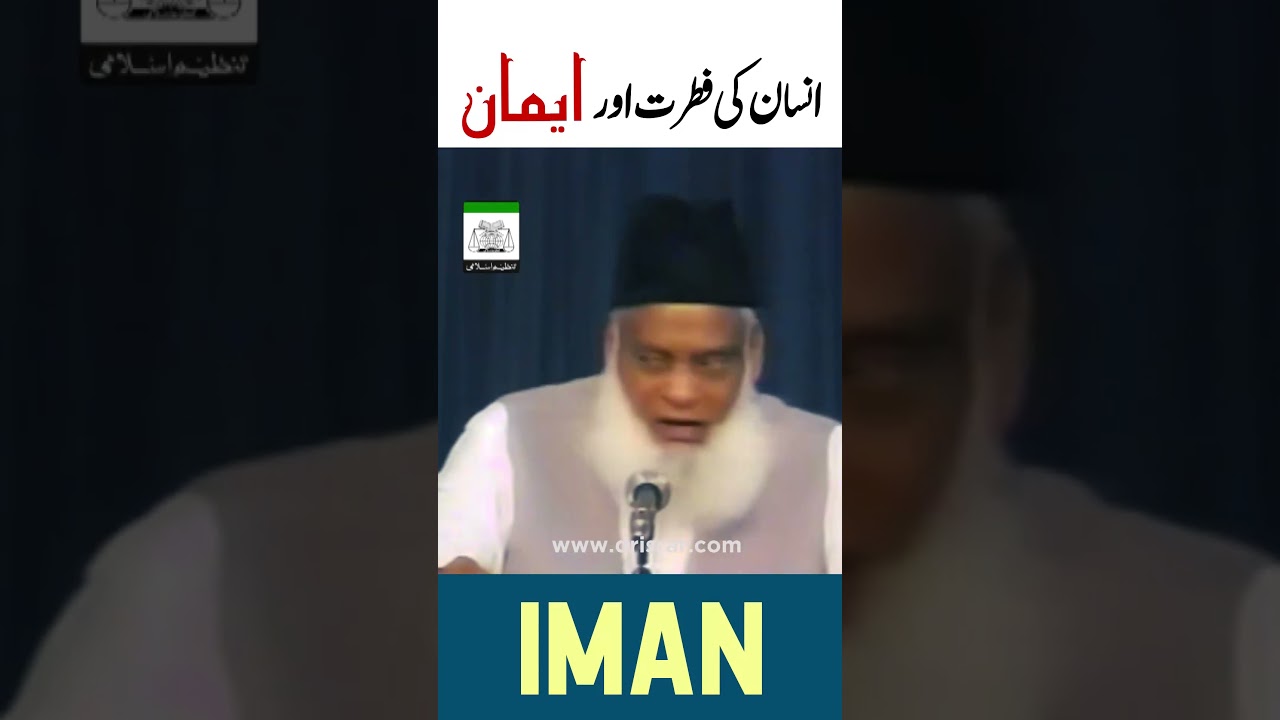
Faith is not merely an external practice, but an inherent connection to the Divine residing within each individual. The universe, from the earth to the heavens, serves as a constant reminder of God’s existence, power, knowledge, and wisdom. Introspection reveals this divine presence within the soul, a direct link to the Creator. Recognizing this inherent faith requires observation of the natural world and deep self-reflection. This connection is a natural part of human nature, a promise fulfilled through recognizing God’s signs in creation and within oneself.
32
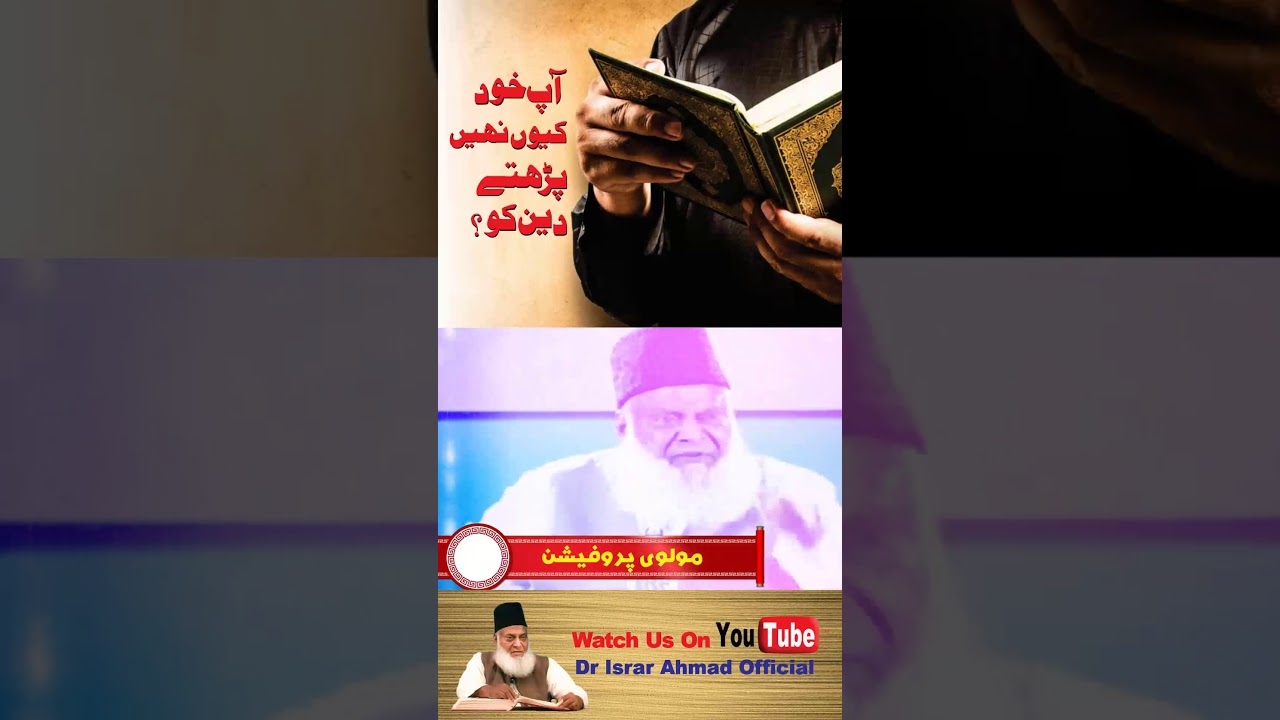
This lecture addresses the importance of individual engagement with religious teachings and self-reflection. It critiques the professionalization of religious roles, arguing that every Muslim should be capable of leading prayers, performing marriage ceremonies, and conducting funeral rites. The speaker emphasizes that religious knowledge and practice should not be limited to a select few, but accessible to all Muslims. The core message urges listeners to examine their own faith and commitment to religious principles instead of criticizing religious scholars.
228

The Prophet Muhammad is presented as the greatest benefactor of humanity, enduring significant hardships throughout his life. The text emphasizes that offering prayers (salutations) upon him is a means of acknowledging his virtues and receiving divine reward. It highlights the importance of recognizing his exemplary character and the blessings associated with remembering him.
256

This lecture details the stages of the Day of Judgement according to Islamic eschatology. It describes the first trumpet blast causing widespread destruction and loss of consciousness, impacting all of creation in the heavens and on earth, except those whom Allah wills. The second blast initiates the resurrection, bringing all to a standing position. The third blast signifies the final judgement. The lecture further explains the descent of Allah, the splitting of the sky, the descent of angels, and the presentation of the Book of Records, prophets, and witnesses on that day. The lecture underscores the inevitability and gravity of the Day of Judgement and encourages contemplation of the afterlife.
63
