شارٹس
This lecture explores the lasting consequences of our actions, both good and bad, extending beyond our lifetime. It emphasizes that righteous offspring benefit society and contribute to ongoing religious service, while poorly raised children spread negativity, for which we are accountable. All deeds, visible and hidden, are known to God, and ultimately, all matters return to Him. The speaker highlights that the effects of our actions continue even after death, impacting future generations and our ultimate reckoning.

57
The Quran emphasizes the husband's role as a protector and provider within marriage, requiring the wife’s obedience unless the command involves sin. It highlights that righteous wives are obedient to their husbands, but obedience is not required in matters of disobedience to God. Husbands are responsible for guiding their wives towards righteousness and maintaining a just and loving relationship. This lecture clarifies the rights and responsibilities within a marital bond, emphasizing the importance of mutual respect and adherence to divine guidance.
150
This lecture explores the concept of *talaawat* beyond mere recitation, emphasizing its true meaning as actively following the Quran's guidance. The speaker explains how beginners often rely on physical aids like fingers to maintain focus while reading. True *talaawat*, however, involves making the Quran one’s leader, adhering to its principles, and seeking its light. This entails complete submission and following its path, as expressed in the prayer for the Quran to be an Imam, a source of light, guidance, and mercy.
53
This lecture emphasizes the importance of reason ('aql) as a pathway to understanding divine guidance. It asserts that belief should be grounded in either rational thought, the teachings of the Quran, or the traditions of the Prophet Muhammad. The speaker stresses that knowledge stems from sensory experience, intellectual reasoning, or reliable transmission. Blind adherence to anything without understanding is discouraged. True knowledge is either acquired through one’s own senses, intellect, or through verified sources.
50
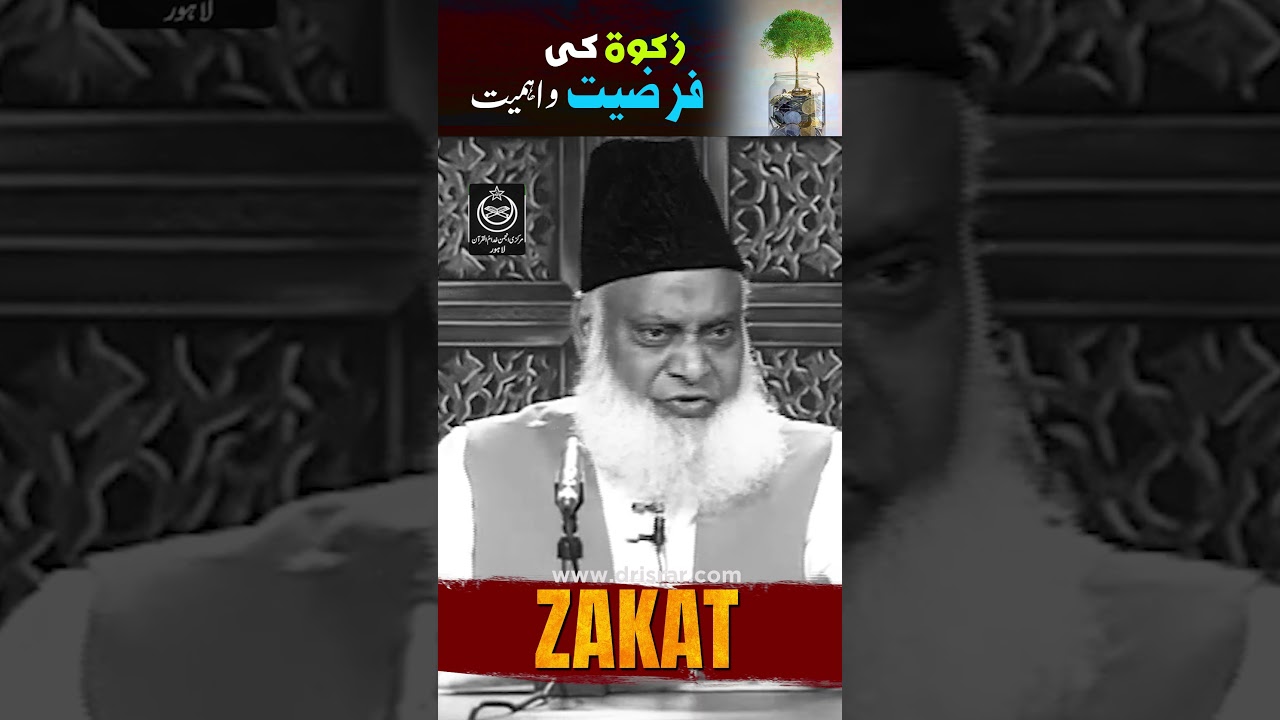
Zakat, a foundational pillar of Islam, is presented as more than just charity. It’s the initial expression of one’s ability to spend in the way of God, enabling fulfillment of others’ needs. Like a sealed bottle preventing any outflow, hoarding wealth stifles spiritual growth. Zakat unlocks this blockage, even in the most miserly, prompting generosity through obedience to divine command. This act of giving, even if singular, establishes a basis for diminishing the love of wealth within the heart, paving the way for increased compassion and giving.
73
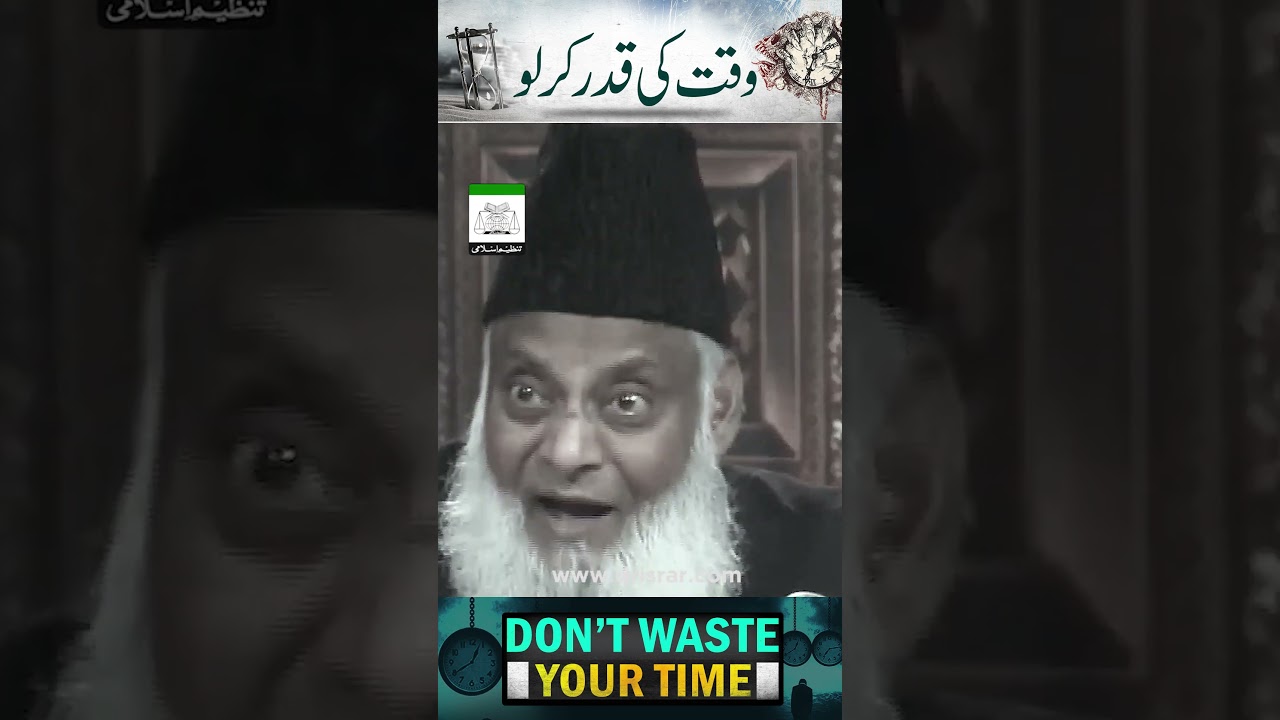
Time is presented as a powerful, swift force that relentlessly diminishes life. The speaker emphasizes that age isn't increasing, but rather decreasing with each passing moment. A person’s lifespan is finite; preoccupation with frivolous activities wastes this precious resource. A truly mindful and devout individual understands time’s value and refrains from squandering it on trivial pursuits. The lecture stresses the importance of recognizing time’s fleeting nature and utilizing it for meaningful endeavors. It highlights that a decreasing lifespan necessitates a focus on purpose and avoiding wasteful activities.
52
