Şort

On the Day of Judgement, disbelievers will lament their past actions, begging for a second chance to worship and obey God, promising to abstain from evil. They will be reminded of how they mocked the early believers – the poor, slaves, and needy – who were steadfast in their faith. God declares He has rewarded their patience today, affirming they are the true victors and will enter Paradise. This highlights the ultimate triumph of faith over worldly status and the importance of perseverance in the face of adversity.

66

This lecture clarifies the true meaning of Jehad in Islam, dismissing its misuse for worldly gains like expanding empires, collecting wealth, or personal ambition. It emphasizes that genuine Jehad is solely for establishing the supremacy of God’s word and implementing a just Islamic system. Any other intention negates the sincerity of the act. The speaker refutes the notion that fighting for tribal feuds, personal bravery, or material benefits qualifies as Jehad. True Jehad aims to elevate God’s message and establish a righteous governance, making it a purely devotional act.
64

This lecture discusses the plight of women, particularly in Western societies, highlighting the burdens they bear – pregnancy, childbirth, and financial responsibility. It critiques the objectification of women and questions the values of Western civilization, suggesting a concerning trend of exploitation and disregard for their dignity. The speaker emphasizes the need to understand and respect women's true worth and role in society.
100

The core message of the Quran centers on the singular worship of Allah. This lecture explains that the foundational principle of the Quranic invitation is devotion to Allah alone, rejecting all other forms of worship. The Quran emphasizes establishing worship of the Creator, as highlighted in Surah Hud’s opening verses, which describe the Quran as a firmly established book with detailed revelations from the All-Knowing, Wise Creator. The Quranic command, 'Do not worship anyone besides Allah,' reinforces this central theme, making the exclusive worship of Allah the essence of the Quranic message. This singular devotion is the key takeaway of the entire scripture.
96

This lecture discusses the transient nature of emotional turmoil and external influences. It emphasizes that intense feelings, like storms, eventually subside. Similarly, the impact of surroundings is temporary. The core message centers on the immediate necessity of repentance (toba) when one commits a wrong action due to heedlessness, passion, or environmental pressures. Genuine repentance, offered sincerely to God, leads to forgiveness. The speaker highlights that delaying repentance is unwise; sincere remorse erases sins. The lecture stresses that seeking forgiveness is a continuous process, particularly when succumbing to momentary weaknesses.
111
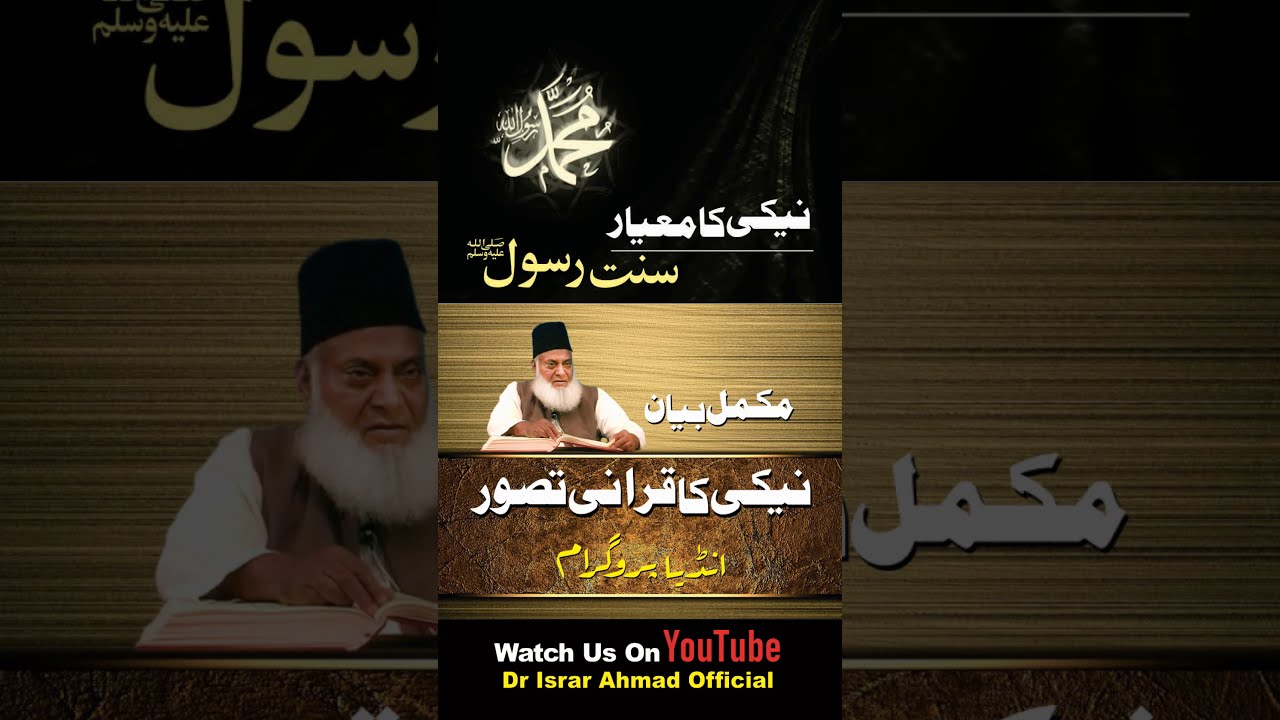
This lecture details a conversation where individuals express extreme devotion through perpetual worship, fasting, and abstinence from marriage. The Prophet Muhammad (peace be upon him) responds, asserting his own piety and emphasizing that true faith lies in following his teachings and sunnah. He clarifies that deviation from his sunnah signifies exclusion from his followers. The lecture underscores the importance of balance and adhering to the Prophet’s guidance in religious practice.
148
